Congress MP Privilege Notice Against PM Modi
A rare parliamentary confrontation over Modi's remarks.
Model Diplomat2 min readIndia
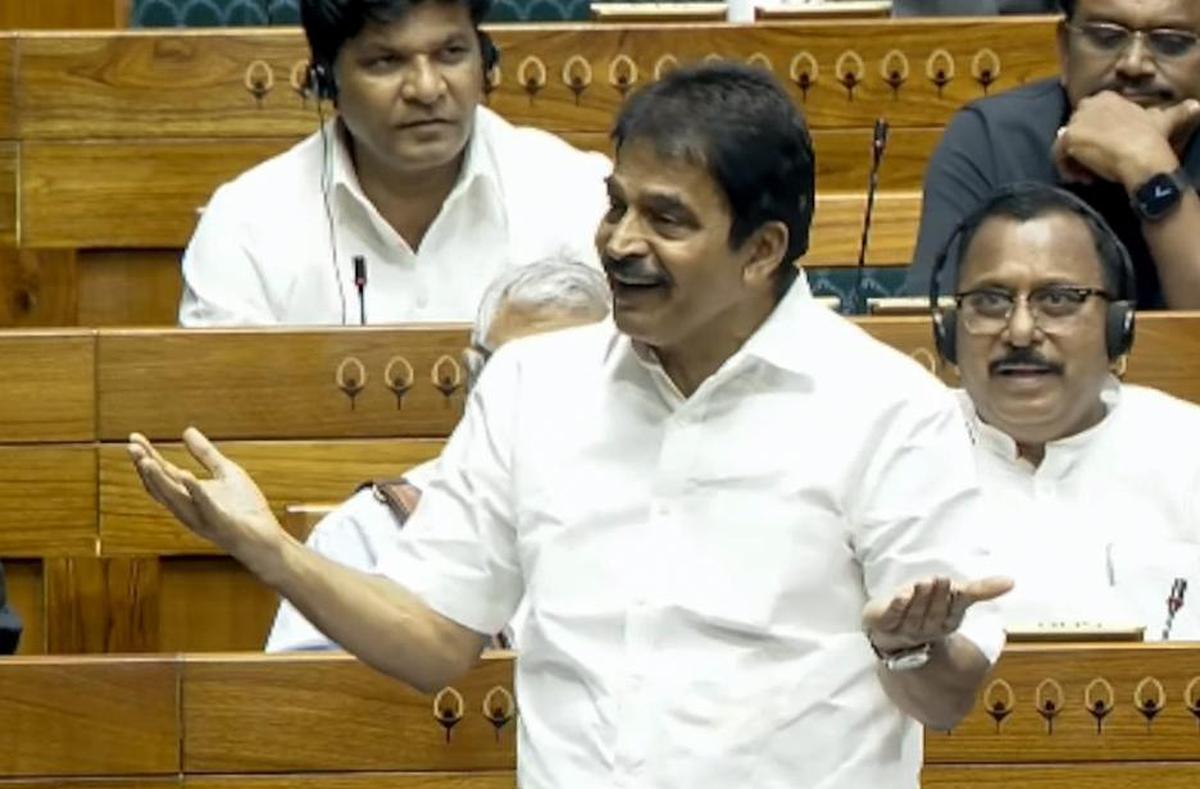
Congress MP Files Privilege Notice Against PM Modi Over Remarks in Lok Sabha
Congress MP’s move to censure PM Modi for "casting aspersions" marks a rare and direct parliamentary confrontation.
A Congress MP has submitted a privilege notice in the Lok Sabha against Prime Minister Narendra Modi for allegedly casting aspersions on Parliament members during a heated debate on a stalled bill. The complaint accuses Modi of making statements that impugn the integrity of opposition members, which could amount to a breach of parliamentary privilege.
Context: Parliamentary Privilege and Political Flashpoints
Privilege notices are serious parliamentary tools used to address perceived violations of decorum or authority within legislative proceedings. This latest confrontation centers on PM Modi's criticism of opposition parties, whom he accused of deliberately blocking legislation. The government often frames bill obstruction as obstruction of governance, while opposition parties claim it as legitimate parliamentary dissent.
Such privilege notices against sitting prime ministers are rare in India’s parliamentary history, making this a notable escalation. The incident reflects persistent political acrimony in the Lok Sabha, where deep polarization between BJP-led government and opposition parties like Congress continues to complicate legislative business. The use of privilege notices also signals opposition’s attempt to assert parliamentary norms and push back against perceived executive overreach or disrespect.
Why This Matters: Impact on Parliamentary Norms
The move spotlights ongoing tensions over parliamentary conduct and discipline. It underscores a growing clash not just on policy but on procedural propriety that affects the functioning of India’s democracy. The controversy could pressure the Speaker to take a firmer stance on maintaining decorum and impartiality, influencing future debates and government-opposition interactions.
This situation also illustrates a broader pattern in Indian politics where personal and political confrontations increasingly enter parliamentary discourse. This risks reducing the chamber’s deliberative quality and heightening public perceptions of institutional dysfunction.
What to Watch Next: Speaker’s Response and Political Fallout
The key next step is the Speaker’s decision on how to address the privilege notice. Will the Speaker reprimand the PM, seek a mediated resolution, or dismiss the complaint citing parliamentary immunity? That decision will set a precedent for acceptable rhetoric in Parliament and shape the tone of future government-opposition engagements.
Meanwhile, expect Congress and other opposition parties to leverage this development to rally support and criticize the government’s approach to dissent. The BJP, for its part, may defend the Prime Minister's remarks as legitimate political speech amid a fractious legislative environment.
This episode highlights the fragility of India’s parliamentary norms amid rising political polarization. How the leadership manages it will be a telling indicator of the resilience of India’s democratic institutions under pressure.
For more on India’s parliamentary dynamics, see India country profile and
Global Politics.
Discover more
India
Congress Accuses Modi of Stalling Women's Law
Congress accuses Modi of stalling women's reservation law by linking it to delimitation, revealing a deeper electoral strategy.
India
CPI MP Accuses PM Modi of MCC Violations
CPI MP P Sandosh Kumar alleges PM Modi breached the Model Code of Conduct in Tamil Nadu, raising election integrity concerns before the 2026 Assembly polls.
India
Congress Advocates 33% Women’s Quota
Congress calls for a 33% women's reservation in the existing 543 Lok Sabha seats, countering Modi's plan to expand the house to 850 seats.

Conflict & Security
Drone Warfare Killing Aid Workers at Unprec
Over 1,000 humanitarian workers killed in three years as cheap armed drones collapse legal protections. Gaza, Sudan, Ukraine, and DRC see deliberate targeting of aid convoys and hospitals with zero prosecutions.