Congress Files Privilege Notice Against Modi
Congress targets Modi's remarks seen as derogatory to MPs
Model Diplomat2 min readIndia

Congress Gives Privilege Notice Against PM Modi for 'Casting Aspersions' on MPs
Congress files breach of privilege notice targeting PM Modi's remarks perceived as derogatory towards Rajya Sabha members, raising parliamentary decorum concerns.
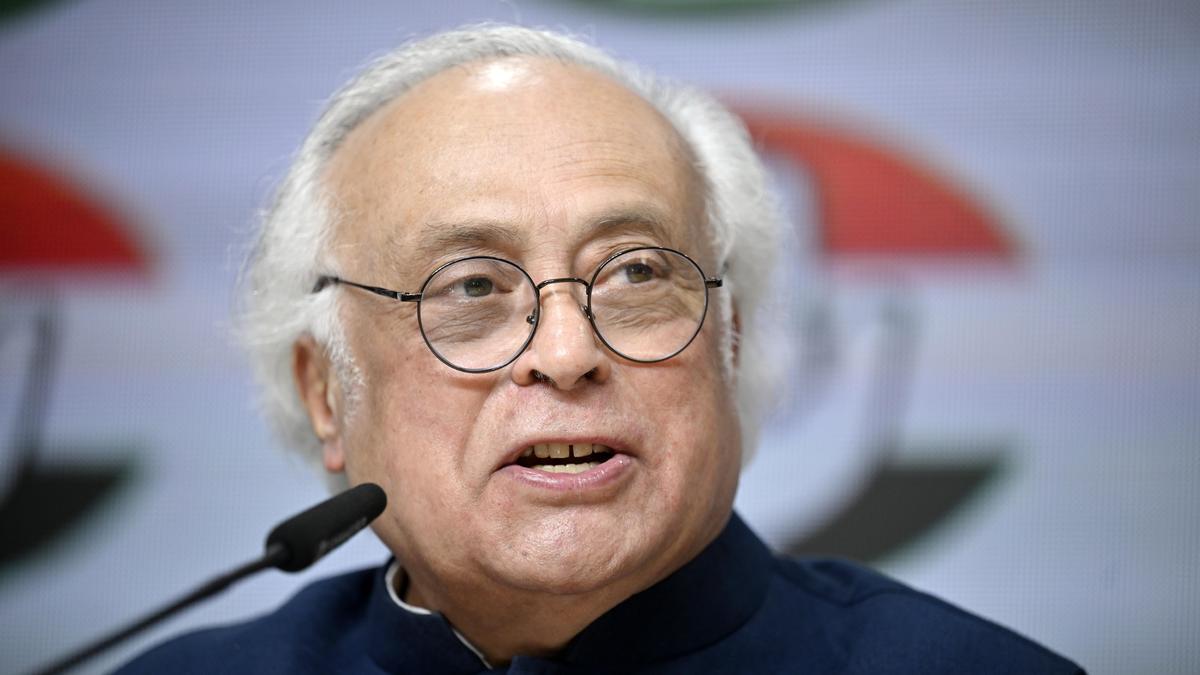
Congress has formally submitted a breach of privilege notice against Prime Minister Narendra Modi following his address to the Lok Sabha on July 3, 2026. The notice, filed by Congress Rajya Sabha Chief Whip Jairam Ramesh, accuses Modi of casting unsubstantiated aspersions on members of the Upper House, specifically relating to comments that implied a “cleaning” of the Rajya Sabha chair without naming former Chairman Hamid Ansari directly. Ramesh argues that Modi's remarks breached parliamentary norms and disrespected the dignity of the Rajya Sabha institution and its office-bearers. This development marks another point of confrontation between the ruling BJP and opposition Congress over parliamentary conduct and freedom of speech within legislative chambers.
Why This Matters
Privilege notices spotlight the friction in India’s parliamentary democracy over maintaining decorum and accountability. Congress’s move underscores escalating sensitivities over Modi’s rhetorical style, which opposition parties have long criticized for personalized attacks and undermining institutional respect. The specific allegation relates to Modi’s insinuation—without evidence—that the Rajya Sabha chair was improperly influenced or “cleaned” during Ansari’s tenure. Such an assertion, Ramesh contends, violates rules meant to protect parliamentary privilege by maligning individual members and offices without proof in their absence.
Historically, privilege notices against Modi are not unprecedented; Congress previously raised similar motions, such as in 2016 when Modi’s allegations linking Sonia Gandhi to a corruption case led to parliamentary uproar. Yet, this case hits closer to institutional integrity rather than individual scandal, testing the limits of executive commentary on Parliament itself. The dispute reflects ongoing struggles to balance vigorous political debate with safeguards against defamation and disrespect within India’s legislative framework.
What to Watch Next
The Speaker of the Lok Sabha and the Chair of the Rajya Sabha will decide whether and how to pursue the notice. Acceptance could lead to formal investigations, calls for apology, or sanctions, escalating tensions in both houses. BJP’s response will be closely watched to gauge if Modi softens his rhetoric or continues to contest parliamentary constraints aggressively.
This development also raises broader questions about the role of parliamentary privilege in India’s polarized democracy: Does the privilege protect decorum or shield members from justified criticism? How will the Rajya Sabha, long a space for balancing majoritarian impulses, react to perceived executive overreach?
With parliamentary sessions ongoing and national political stakes high, this controversy could further erode trust between government and opposition, impacting legislative productivity and public perceptions of India’s democratic processes.
For deeper context on India’s legislative politics and party dynamics, see our India Country Profile and
Global Politics.
Sources:
Hindustan Times on Congress privilege notice
The Hindu detailed report on breach of privilege notice
Discover more
India
Congress Accuses Modi of Stalling Women's Law
Congress accuses Modi of stalling women's reservation law by linking it to delimitation, revealing a deeper electoral strategy.
India
CPI MP Accuses PM Modi of MCC Violations
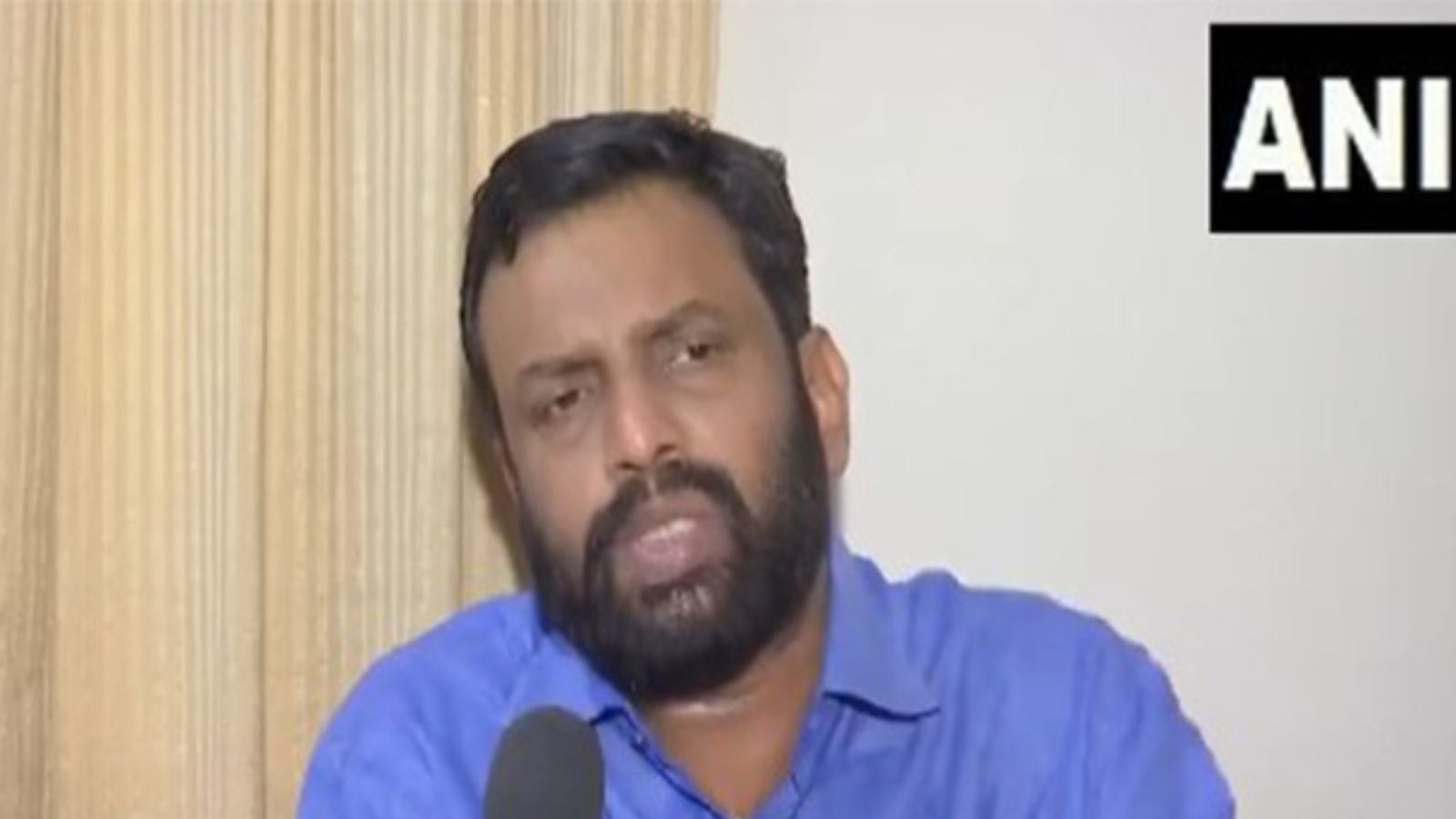
CPI MP P Sandosh Kumar alleges PM Modi breached the Model Code of Conduct in Tamil Nadu, raising election integrity concerns before the 2026 Assembly polls.

Conflict & Security
Drone Warfare Killing Aid Workers at Unprec
Over 1,000 humanitarian workers killed in three years as cheap armed drones collapse legal protections. Gaza, Sudan, Ukraine, and DRC see deliberate targeting of aid convoys and hospitals with zero prosecutions.

Global
World Normalises Taliban as Afghan Women Eras
UN data shows Afghan women erased from public life as Russia recognises the Taliban, EU hosts officials in Brussels, and ICC warrants for gender persecution go unenforced.