Congress Files Privilege Notice Against Modi
Escalating tensions in India's parliamentary dynamics
Model Diplomat2 min readIndia
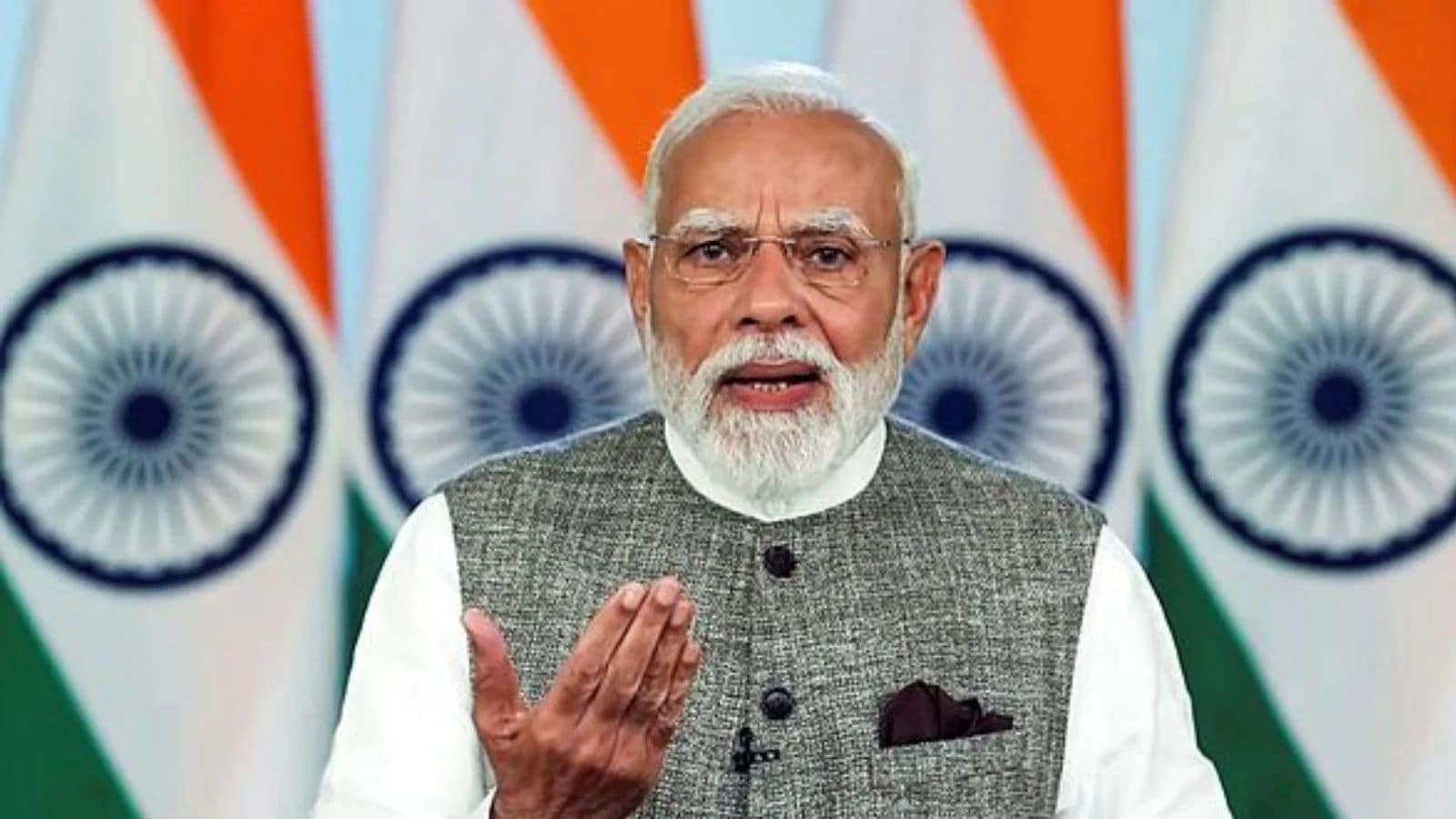
Privilege Notice Against PM Modi Signals Parliamentary Climate Shift
Congress has filed a breach of privilege notice against PM Modi for his remarks targeting opposition MPs, deepening parliamentary tensions.
Congress’s April 2026 breach of privilege notice against Prime Minister Narendra Modi marks a sharp escalation in India’s parliamentary conflicts. The notice centers on Modi’s recent address to the nation, where he launched a scathing attack on opposition MPs, which Congress alleges constitutes a “blatant abuse of power” and undermines the dignity of parliamentarians.
Context: Why This Matters
This is not an isolated dispute but part of a broader pattern of fractious relations between the BJP government and opposition. Earlier instances include Congress filing a privilege notice over Modi’s indirect remarks disparaging former Rajya Sabha Chairman Hamid Ansari, accusing him of biased behavior unfavorable to the opposition The Hindu.
The conflict extends to PM Modi sharing videos of Union Budget speech excerpts by BJP's Anurag Thakur on social media, which contained caste-related remarks that were ordered to be expunged from parliamentary records but remained publicly accessible online. Congress argues this encouraged breaches of parliamentary privilege and perpetuates casteist rhetoric, escalating the stakes of the current confrontation The Hindu.
Modi's rhetoric and actions are seen by Congress and other opposition parties as undermining parliamentary norms and decorum, signaling worsening polarization in India’s legislative politics. The BJP’s approach has often emphasized a combative posture towards critics, which the opposition sees as deteriorating the balance and respect integral to parliamentary democracy.
What to Watch Next
The privilege notice will be considered by the Rajya Sabha Chairman, Jagdeep Dhankhar, himself a key figure from the BJP, which raises questions about impartiality in resolving this dispute. The outcome will have implications for parliamentary discipline and could either entrench current divisions or prompt discussions on decorum reforms.
Meanwhile, this development will influence public perceptions ahead of upcoming elections by framing the opposition as defenders of parliamentary dignity against an increasingly authoritarian governing style. Watch for whether other opposition parties join the Congress motion, potentially broadening the issue into a wider parliamentary crisis.
This episode underscores a critical moment in Indian politics where parliamentary privilege and rhetorical boundaries are at stake, with important consequences for the functioning of its democracy.
For deeper context on India’s parliamentary landscape and political dynamics, see our India country profile or
Global Politics.
Sources:
Discover more
India
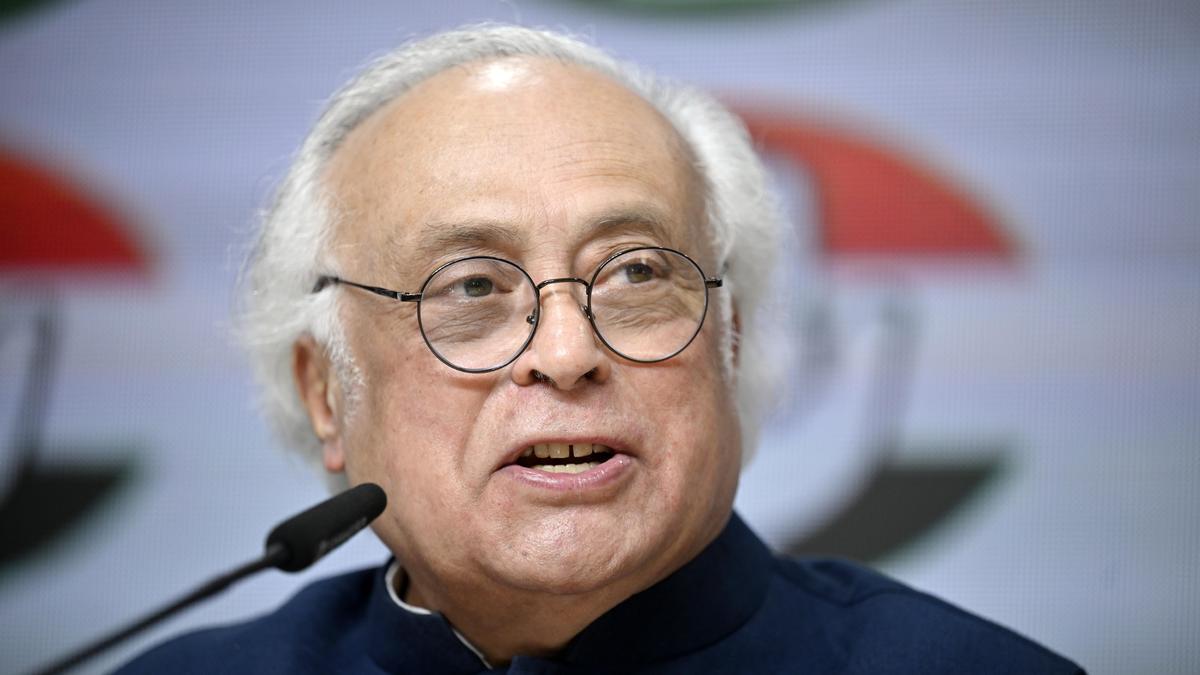
Congress Accuses Modi of Stalling Women's Law
Congress accuses Modi of stalling women's reservation law by linking it to delimitation, revealing a deeper electoral strategy.
India
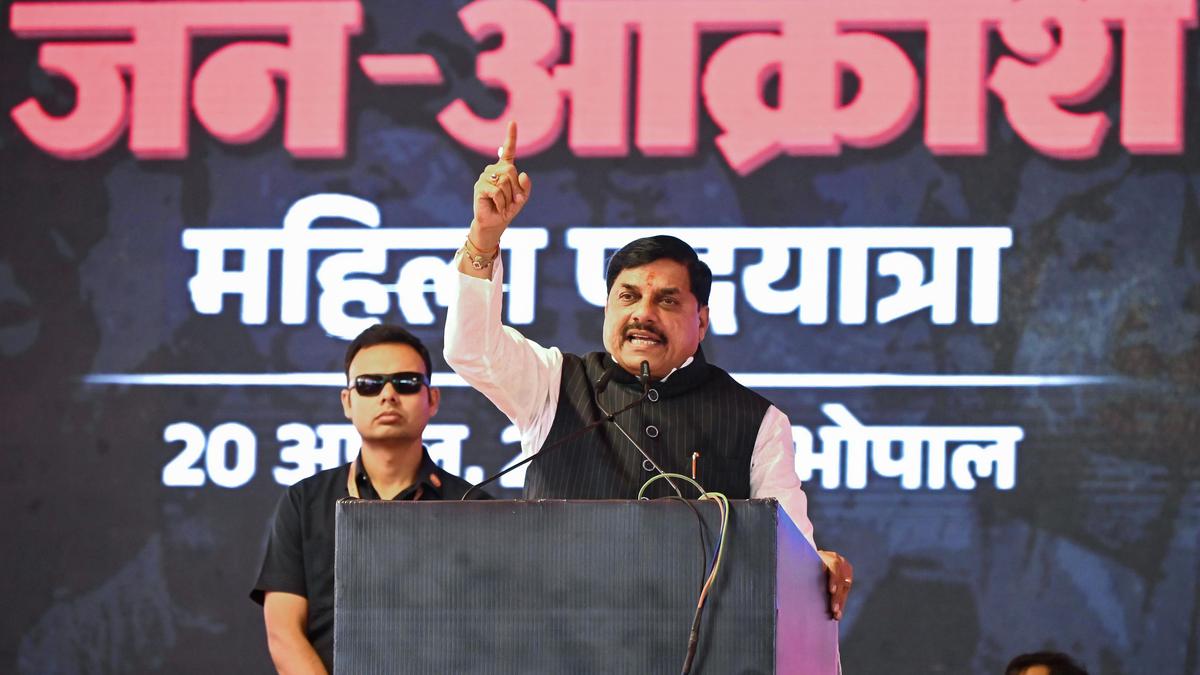
BJP Congress Clash Over MP Bill Defeat
The BJP's defeat of the women's quota amendment sparks a political narrative war with Congress, impacting future elections.

Conflict & Security
Drone Warfare Killing Aid Workers at Unprec
Over 1,000 humanitarian workers killed in three years as cheap armed drones collapse legal protections. Gaza, Sudan, Ukraine, and DRC see deliberate targeting of aid convoys and hospitals with zero prosecutions.

Global
World Normalises Taliban as Afghan Women Eras
UN data shows Afghan women erased from public life as Russia recognises the Taliban, EU hosts officials in Brussels, and ICC warrants for gender persecution go unenforced.