Congress vs Vedanta: Sijimali Mine Protests
Political tensions rise over Odisha's bauxite mining plans
Model Diplomat3 min readAsia
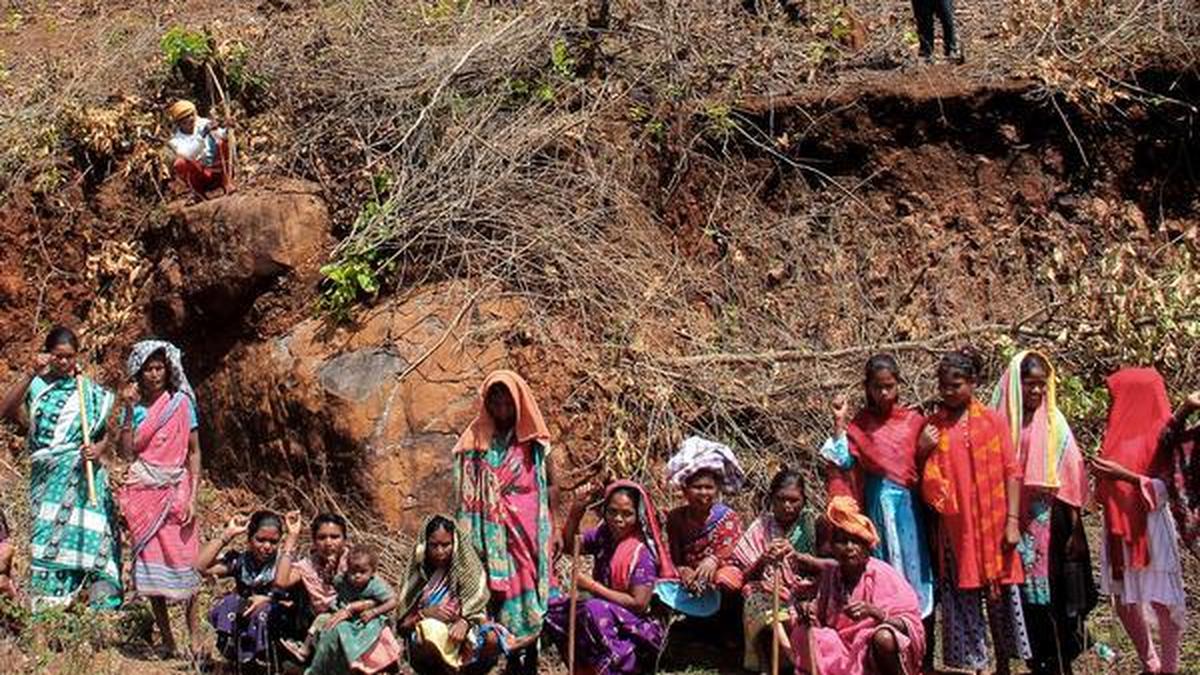
Congress Targets Vedanta's Sijimali Mine — and the BJP Government Behind It
Tribal protests in Odisha's Sijimali hills are now a national political flashpoint, with Congress alleging forged consent records and demanding an independent probe.
Vedanta's proposed bauxite mine at Sijimali hill — straddling Odisha's Rayagada and Kalahandi districts — has escalated from a local land dispute into a direct challenge to Prime Minister Modi's mining liberalisation agenda. Congress leader Jairam Ramesh is demanding an independent inquiry into alleged violations of the Panchayats (Extension to Scheduled Areas) Act, 1996 (PESA) and the Forest Rights Act, 2006 (FRA), after police fired tear gas on April 7 to disperse Kondh tribal protesters blocking a 2.98-km access road to the hill.
Forged Consent, Real Clearance
The political demand has teeth. A Frontline investigation found that gram sabha records submitted to clear 708 hectares of forest land for Vedanta's mine appear fabricated — signatures of minors, deceased persons, and non-residents listed as consenters; eight gram sabhas across Rayagada and Kalahandi reportedly recorded as occurring on the same date, with villagers denying any meeting took place. Under PESA, free, prior, and informed consent of gram sabhas in Scheduled Areas is a legal prerequisite for land diversion — not a procedural formality.
Left parties have joined Congress in calling for accountability. The convergence is significant: it transforms what the Odisha BJP government and Vedanta can frame as a development dispute into a potential criminal and constitutional one. International affairs observers tracking India's resource governance will note that this mirrors the 2013 Niyamgiri case, where the Supreme Court ultimately upheld tribal veto rights over Vedanta's alumina operations in the same Eastern Ghats corridor.
Who Holds Leverage, and Who Loses
Vedanta holds the commercial prize — Sijimali's bauxite reserves feed its Lanjigarh aluminium refinery, which runs well below capacity without a captive mine. The Odisha BJP government under Chief Minister Mohan Majhi, in power since June 2024, has aggressively backed mineral extraction as a growth pillar, auctioning over 40 coal mine leases and pushing Eastern Ghats bauxite projects simultaneously.
The Kondh communities hold the moral and legal high ground — but not the institutional power. Activist Prafulla Samantra (Goldman Environmental Prize winner) and local groups have documented how the region's springs and streams, feeding the Kolab river system, sustain roughly 150 tribal and Dalit villages. The access road, presented as infrastructure, is being read on the ground as the thin end of an irreversible extraction wedge.
Congress gains opposition traction with minimal political cost: tribal rights are constitutionally protected terrain where the BJP's developmental framing is vulnerable. The probe demand forces the Centre to either defend a consent process that looks fabricated on the record, or concede ground that emboldens resistance across Odisha's other contested mine sites — Kuturumali, Sasubohumali, Maliparbat.
What to Watch Next
Three pressure points will determine trajectory. First, whether the National Commission for Scheduled Tribes takes up the case — a formal inquiry would freeze clearances. Second, whether any court, likely the Odisha High Court or Supreme Court, admits a petition challenging the gram sabha records; the Niyamgiri precedent makes such a challenge viable. Third, the Lanjigarh refinery's capacity utilisation figures: if Vedanta's aluminium operations visibly suffer without Sijimali ore, the corporate pressure on the state government intensifies — and so does the incentive to push through clearances regardless of process.
The legal architecture of PESA and FRA was designed precisely for this situation. Whether it holds depends entirely on who enforces it.
Discover more
India
Congress Accuses Modi of Stalling Women's Law
Congress accuses Modi of stalling women's reservation law by linking it to delimitation, revealing a deeper electoral strategy.
India
Congress Advocates 33% Women’s Quota
Congress calls for a 33% women's reservation in the existing 543 Lok Sabha seats, countering Modi's plan to expand the house to 850 seats.
India
BJP Congress Clash Over MP Bill Defeat
The BJP's defeat of the women's quota amendment sparks a political narrative war with Congress, impacting future elections.

Conflict & Security
Drone Warfare Killing Aid Workers at Unprec
Over 1,000 humanitarian workers killed in three years as cheap armed drones collapse legal protections. Gaza, Sudan, Ukraine, and DRC see deliberate targeting of aid convoys and hospitals with zero prosecutions.