Congress Accuses India's Election Commission
Opposition escalates campaign against ECI's neutrality before elections.
Model Diplomat3 min readIndia
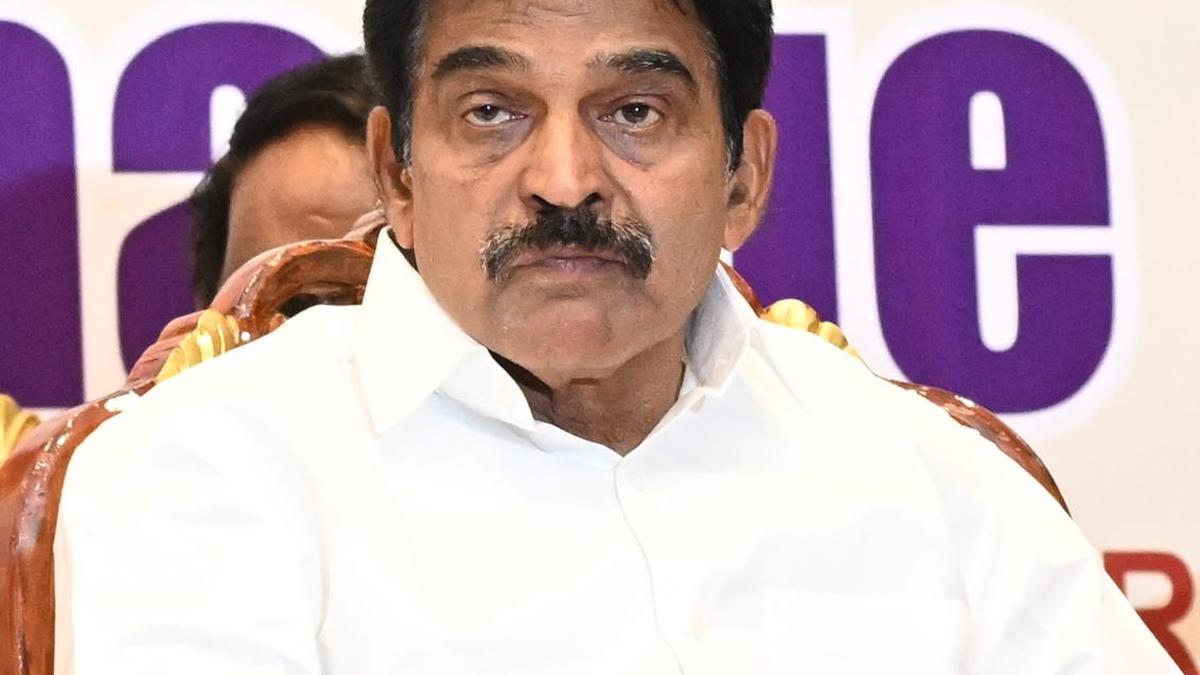
Congress Targets India's Election Watchdog Before 2026 State Polls
With CEC removal motions, bias allegations over poll schedules, and a disputed appointment process, the ECI's neutrality has become a central electoral battleground.
K.C. Venugopal, Congress General Secretary and AICC chief, has publicly accused the Election Commission of India of functioning as a "department of the BJP" — the sharpest iteration yet of a sustained opposition campaign to delegitimise the electoral referee ahead of critical state elections in 2026.
The charge isn't new, but the escalation is. Congress and the broader INDIA alliance have now moved from rhetoric to institutional pressure: 193 MPs (63 in the Rajya Sabha, 130 in the Lok Sabha) signed removal motions against Chief Election Commissioner Gyanesh Kumar, which were rejected by both House presiding officers on April 6 on grounds of insufficient evidence. The opposition is preparing a fresh motion. The Hindu
The Structural Grievance Behind the Rhetoric
The opposition's frustration has a concrete legislative hook. A 2023 Act restructured the CEC appointment process, removing the Chief Justice of India from the selection panel and replacing the three-member committee — originally PM, CJI, and Leader of Opposition — with the PM, a Union Cabinet minister, and the LoP. The Supreme Court, in the Anoop Baranwal v. Union of India ruling, had previously recommended CJI inclusion as a safeguard. That safeguard was legislatively undone. The constitutional challenge to the 2023 Act is still being heard by the Supreme Court in 2026.
Venugopal has specifically tied this to the Special Intensive Revision (SIR) of electoral rolls — a process Congress claims led to ~97 lakh voter deletions in Tamil Nadu and over 32 lakh unmapped voters in West Bengal, both states where the BJP faces competitive opposition. The ECI rejected the bias framing; House presiding officers found no prima facie case of misbehaviour against Kumar.
On the 2026 poll schedule itself, Venugopal accused the ECI of deliberately placing the Phase 1 date (April 9) to squeeze Congress campaign windows in Kerala, Assam, and Puducherry — overlapping with Good Friday and Vishu — while scheduling later phases for Tamil Nadu and West Bengal. The ECI has not publicly responded to the scheduling allegation.
Who Holds Leverage Here
The BJP benefits from an ECI whose independence is contested but whose institutional decisions consistently withstand judicial challenge. Congress benefits from keeping the "captured referee" narrative alive — it shifts blame for electoral losses and builds pressure ahead of Kerala and West Bengal votes. For the INDIA alliance, institutional delegitimisation is now as much a campaign strategy as policy contrast.
The Supreme Court is the actual arbiter. Its pending ruling on the 2023 appointment Act is the variable neither party controls — a judgment restoring CJI inclusion would structurally validate the opposition's core complaint and potentially force a reconstitution process.
What to Watch Next
Three pressure points ahead:
- The opposition's fresh removal motion against CEC Kumar — watch whether more INDIA alliance MPs sign, and whether the presiding officers face pressure to convene an inquiry committee.
- The Supreme Court's timetable on the CEC appointment Act challenge — any substantive hearing in May–June would spike this controversy back to the front page before state election counting on May 4.
- State election results on May 4: if Congress underperforms in Kerala or Assam, expect the "captured EC" claim to intensify regardless of evidence. If it overperforms, the narrative deflates fast.
The ECI's institutional credibility — once treated as settled — is now itself a contested electoral asset. That's the more durable story here, regardless of which party wins in May.
For broader context on Indian domestic politics, see India and
International Affairs on Diplomat Briefing.
Discover more
India
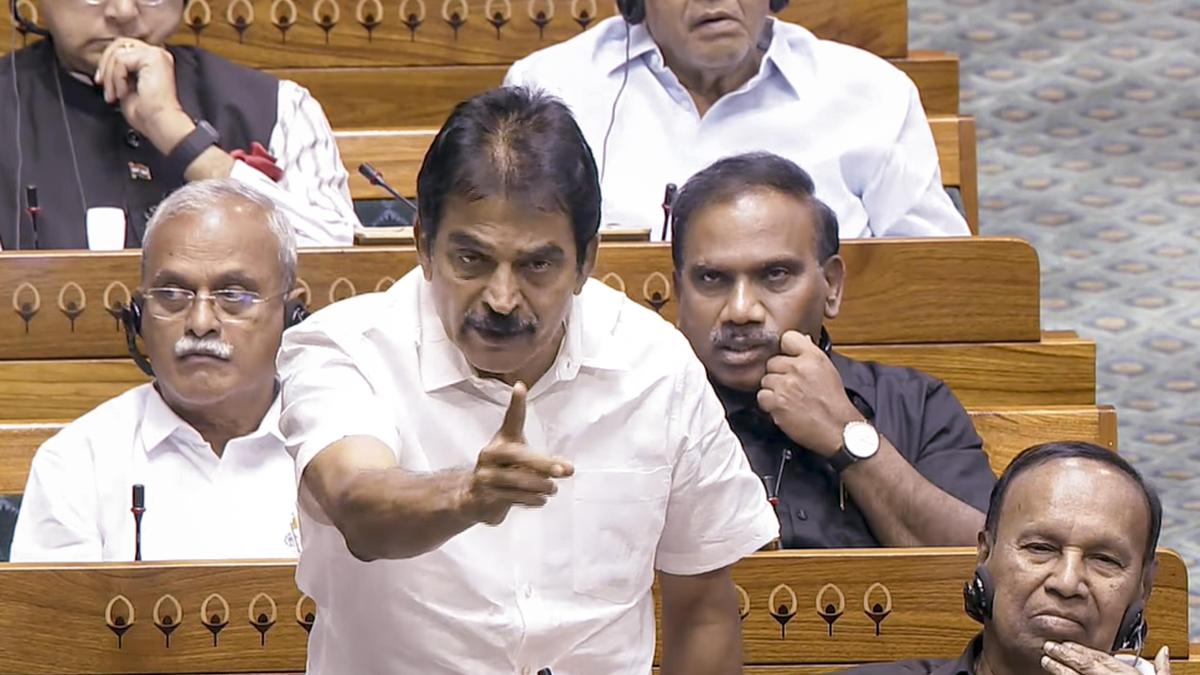
BJP's Delimitation Strategy
Congress leader K.C. Venugopal claims the BJP uses women's reservation to advance delimitation, raising fears over electoral fairness ahead of the 2029 polls.
India
Congress Accuses Modi of Stalling Women's Law
Congress accuses Modi of stalling women's reservation law by linking it to delimitation, revealing a deeper electoral strategy.
India
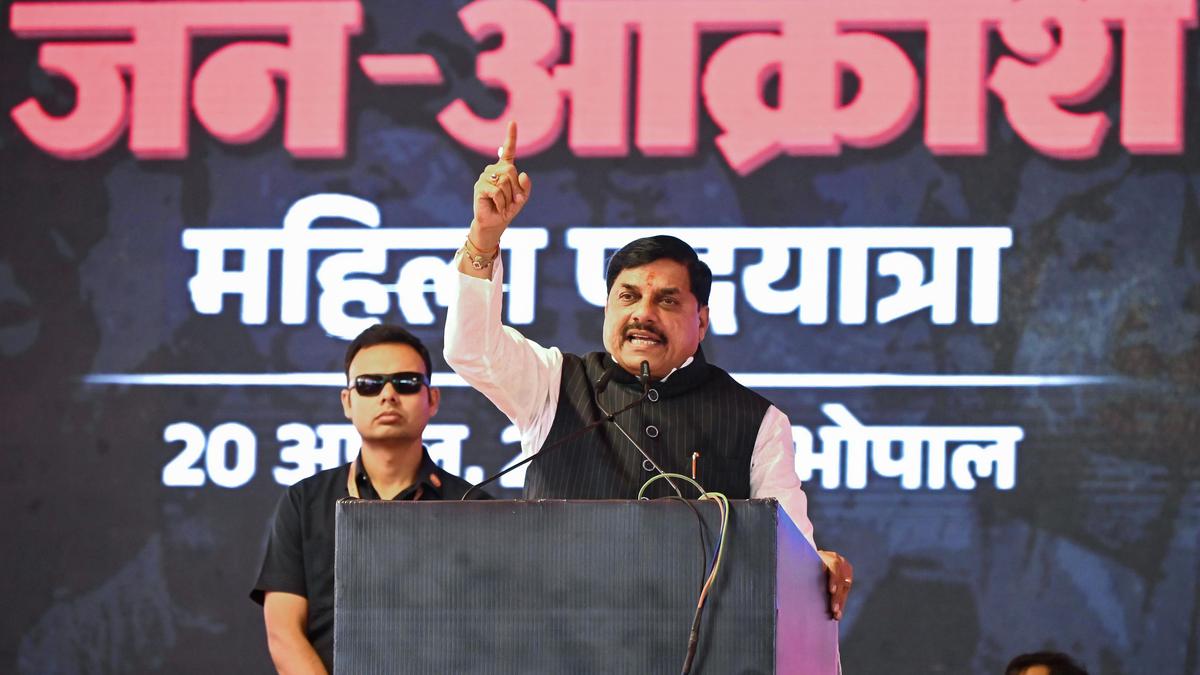
BJP Congress Clash Over MP Bill Defeat
The BJP's defeat of the women's quota amendment sparks a political narrative war with Congress, impacting future elections.

Conflict & Security
Drone Warfare Killing Aid Workers at Unprec
Over 1,000 humanitarian workers killed in three years as cheap armed drones collapse legal protections. Gaza, Sudan, Ukraine, and DRC see deliberate targeting of aid convoys and hospitals with zero prosecutions.