Colombia's Transition: A Rightward Shift
Petro's unique handover sets the stage for De la Espriella's presidency.
Model Diplomat8 min readLatin America
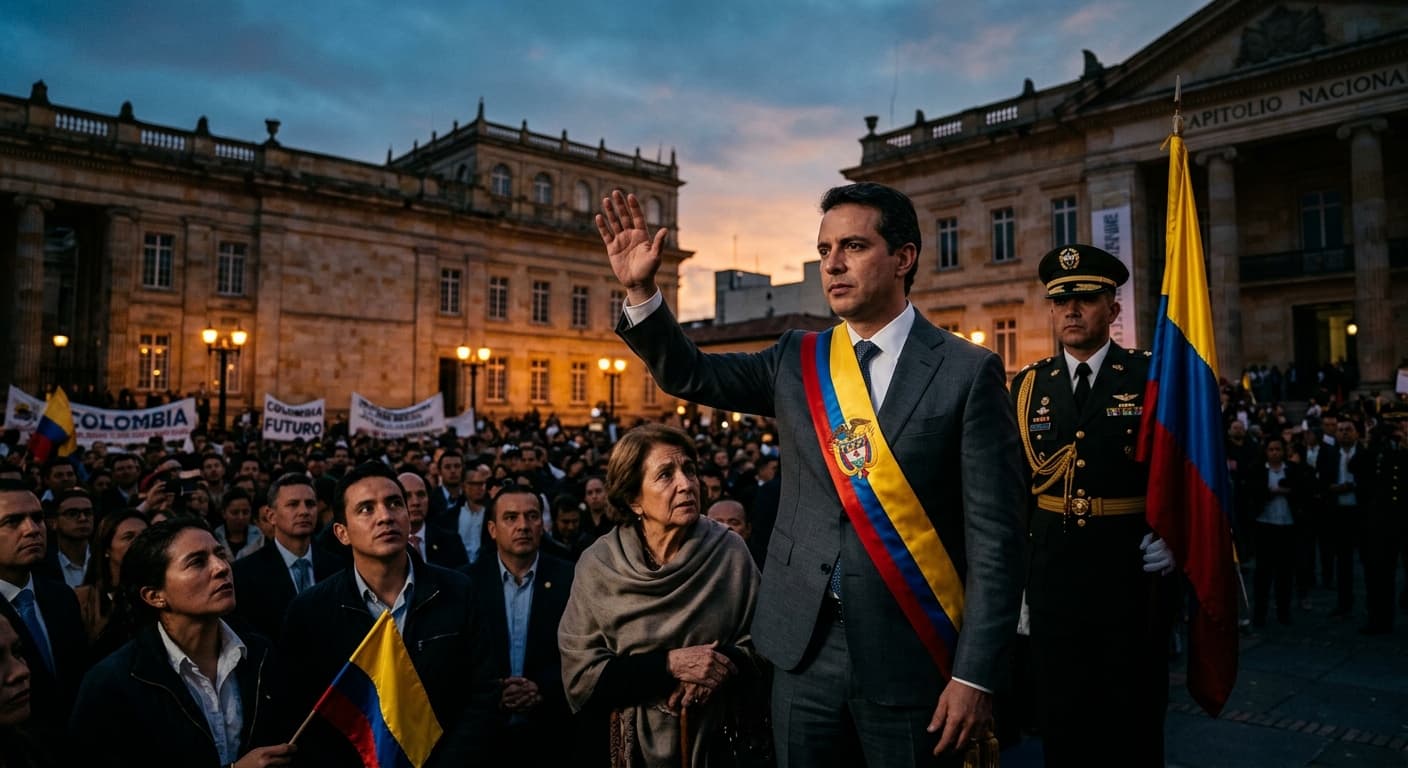
Petro's parallel transition: Colombia's handover breaks before it begins
Colombia's outgoing president is preparing to close his term without the president-elect in the room — a legally novel transition that will shape the region's next big rightward pivot.
Colombia's transition of power ruptured on July 7, 2026, when president-elect Abelardo de la Espriella and outgoing finance minister Germán Ávila both suspended the empalme — the legally mandated handover — within hours of each other, and Gustavo Petro's team turned instead to the Procuraduría General and Contraloría General to act as guarantors of a solo exit. That maneuver — a president closing his term by broadcasting his own management reports over social media while the incoming government calls it a "committee of anti-corruption empalme" — is not just a Colombian melodrama. It is the opening act of the region's most consequential rightward pivot since Javier Milei's win in Argentina, and it will determine whether the fiscal, security, and diplomatic reset De la Espriella has promised begins from a stable base or from a legitimacy vacuum.
The stakes for regional stability run through three files at once: a US$450 billion economy with sovereign spreads still elevated, a "total peace" architecture De la Espriella has vowed to dismantle in his first 90 days, and a diplomatic realignment that reverses Petro's break with Israel and picks a fight with Venezuela and, indirectly, with the Petro-Lula-Boric bloc that carried Latin America's pink tide.
The empalme, and what Petro just did to it
The empalme is not ceremony. It is a legal obligation of the outgoing administration to hand over verified information on programs, contracts, and liabilities to the incoming one, supervised by Colombia's oversight bodies. According to EL PAÍS, Petro's committee this week formally asked the Procuraduría General de la Nación to accompany the process "para que surta como garante," and extended the same invitation to the Contraloría General — an unprecedented move that reframes a bilateral handover as a supervised one-sided delivery.
The trigger, as MercoPress reported, was De la Espriella's dawn instruction on July 7 to his vice-president-elect, former Duque finance minister José Manuel Restrepo, to freeze the talks — citing Petro's continued refusal to concede electoral defeat and his allegations that Israel and Thomas Greg & Sons manipulated the vote count. Ávila responded within hours with a parallel suspension citing "falta de garantías institucionales." A criminal defamation complaint by a Petro lawyer against Carlos Alonso Lucio, a former M-19 comrade now on De la Espriella's transition team, sealed the collapse.
Behind the theatre sits a directive Ávila signed on July 1 ordering every ministry to upload balances to a public platform run by the Departamento Nacional de Planeación, with sessions recorded for broadcast — a system Petro can now activate unilaterally. As 360 Radio noted, the outgoing government's framing is that De la Espriella broke a protocol Petro was already prepared to bypass.
The election that produced this fight
De la Espriella took the runoff on June 21 with 49.66% of the vote to Iván Cepeda's 48.70% — a margin of roughly 250,000 ballots out of nearly 26 million cast, on the highest turnout (63.6%) since Colombia's 1991 constitution introduced two-round elections, according to the BBC. The EU election observation mission had already dismissed fraud rumours after the first round, as
Al Jazeera reported, and the Registraduría said the pre-count and final scrutiny diverged by just 0.003%.
Cepeda conceded on June 24 but pointedly denounced "sofisticadas estrategias de manipulación mediante inteligencia artificial" and "abierta injerencia extranjera" from Donald Trump, per BBC Mundo. Petro has never conceded. That gap between the loser's acceptance and the sitting president's rejection is the structural fact that makes this empalme different from Colombia's last four.
Democratic backsliding, or its opposite?
The temptation is to read this as backsliding — an outgoing leftist refusing to hand power to a Trump-endorsed hard-right outsider who models himself on Nayib Bukele and Javier Milei, promises to build ten mega-prisons in the Amazon, and vows to shrink the Colombian state by 40%, as the Financial Times documented. Petro's own past — a former M-19 guerrilla whose administration was sanctioned by Washington in October 2025 over unproven drug-trade allegations — makes the framing easy for the incoming side.
The evidence points the other way. Colombian institutions are performing exactly as designed. The Consejo Nacional Electoral certified De la Espriella's victory on June 24. Attorney General Gregorio Eljach publicly dismissed fraud allegations. The Registraduría, whose data pipeline Petro accused Israel of penetrating, produced a scrutiny that matched the pre-count to within three thousandths of a percent. Now the Procuraduría and Contraloría — both independent of the executive under the 1991 constitution — have been drawn in as guarantors on Petro's own request.
What is fraying is not the constitutional order but the political norm that outgoing and incoming teams share a room. Colombia is not headed for a Bolsonaro-style January 8 moment. It is headed for a televised handover in which the outgoing president delivers his balance sheet directly to his base while the incoming one denounces it as corruption. The precedent this sets — an exit conducted through parallel channels, refereed by control organs — is the second-order story most foreign coverage is missing.
The economic file is the leverage
De la Espriella inherits a country whose fiscal position collapsed on Petro's watch. According to the World Bank's October 2025 Macro Poverty Outlook, Colombia's primary deficit hit 2.6% of GDP in 2025 — the largest outside the pandemic — public debt rose to 66.5% of GDP, and sovereign downgrades followed the government's decision to temporarily suspend the fiscal rule for 2025–2027. EMBI Global spreads remain around 310 basis points, elevated even as regional peers tightened.
The IMF's 2025 Article IV report was blunter: Colombia's "fiscal policy and policy framework have weakened considerably from a previously 'very strong' assessment" — the language that governs its eligibility for the Flexible Credit Line. The Fund's directors called for a structural adjustment of "over 3 percentage points of GDP" across 2026–28.
That is where the empalme fight matters most. De la Espriella has promised to cut the state by 40%, boost oil and gas, lower taxes, and preserve Petro's 23% minimum-wage hike — a combination bond markets are already pricing partial delivery of, as the Financial Times reported. But he takes office on August 7 without a congressional majority — the Pacto Histórico remains the largest bloc in both chambers — and with the healthcare, pension and labour reforms Petro left half-passed. Every day the empalme is frozen is a day the president-elect's team walks in blind to hidden liabilities, unpaid vigencias, and contract commitments the Contraloría already flagged as opaque.
The economic case for a clean handover is Ávila's real leverage. As BBC News noted, vice-president-elect Restrepo — a former Duque finance minister — knows this. Restrepo's public complaint that the empalme cannot become a "show mediático" is a signal to markets, not to Petro.
The regional geometry shifts overnight
The foreign-policy reversal is where the transition already has cross-border effects. De la Espriella has pledged to restore relations with Israel — Petro severed them in May 2024 and joined South Africa's ICJ genocide case — per Al Jazeera. Secretary of State Marco Rubio called him within hours of victory to promise cooperation on "regional security, illegal immigration, and economic ties," according to
Al Jazeera. Milei and Chile's José Antonio Kast issued congratulations that read as a right-wing regional bloc taking shape from Buenos Aires to Bogotá.
The immediate loser is Venezuela. Petro's quiet diplomacy with Maduro — including the 2024 joint statement with Brazil and Mexico calling for release of election tallies — is over. De la Espriella has talked openly about US-backed air strikes against dissident FARC and ELN camps, some of which shelter across the Venezuelan border. The second loser is the Grupo de La Haya, the eight-country Petro-hosted initiative on Gaza; without Colombia's convening role and coal-export ban, the coalition loses its Latin American anchor.
The less obvious winner is Ecuador. President Daniel Noboa spent the campaign layering tariffs on Colombian imports and was accused by Cepeda's team of coordinating with De la Espriella. A Bogotá aligned with Washington and Quito rewrites the Andean map — and gives Rubio a security corridor from Guayaquil to Cartagena that did not exist under Petro.
Diplomat View
The forecast: De la Espriella will take office on August 7 without a functional empalme, and Petro will spend the last four weeks of his term broadcasting a legacy defence directly to his 12.7 million voters. That is not democratic backsliding — Colombian institutions have held. It is a new template for exits, in which the outgoing left refuses to normalise the incoming right by co-signing its narrative, and the incoming right refuses to legitimise the outgoing left by sitting at its table.
Expect the fiscal reset to arrive slower and messier than markets are pricing. A minority president who promised a 40% state cut, campaigned on extraditing his predecessor, and inherits 66.6% debt-to-GDP with a suspended fiscal rule will not deliver Milei-speed shock therapy — Colombia's Congress, Constitutional Court, and Consejo de Estado are stronger constraints than Argentina's. The forecast changes if two things happen: if the Historic Pact fractures in Congress by October (freeing swing votes for a tax reform), or if Petro is indicted after August 7 on any of the fraud, sanctions, or corruption allegations Lucio and De la Espriella have signalled. Either would collapse the parallel-transition standoff into open confrontation.
What to watch next:
- August 7, 2026 — Inauguration in Bogotá. Whether Petro attends, and whether he hands over the presidential sash in person, is the ritual test of the empalme's rupture.
- Late August–September 2026 — De la Espriella's first budget submission and the Contraloría's audit report on the Petro handover. The fiscal number and the audit's tone will set sovereign spreads for the rest of the year.
- October–November 2026 — First 90-day security campaign De la Espriella promised against armed groups; watch for cross-border incidents with Venezuela and any US Southern Command involvement invoked under the Rubio call.
The Bottom Line
Colombia is not sliding into an institutional crisis — its institutions are absorbing one. Petro's decision to close his term through the Procuraduría and Contraloría rather than through De la Espriella's team is the clearest signal yet that Latin America's rightward turn will not be met with concession but with parallel legitimacy, refereed by control organs and broadcast to divided electorates. The transition that begins on August 7 will test whether a hard-right outsider with a 250,000-vote mandate and no congressional majority can deliver the fiscal, security, and diplomatic reset his voters bought — and whether the region's new right can govern the countries it has just started to win.
Discover more
International Relations
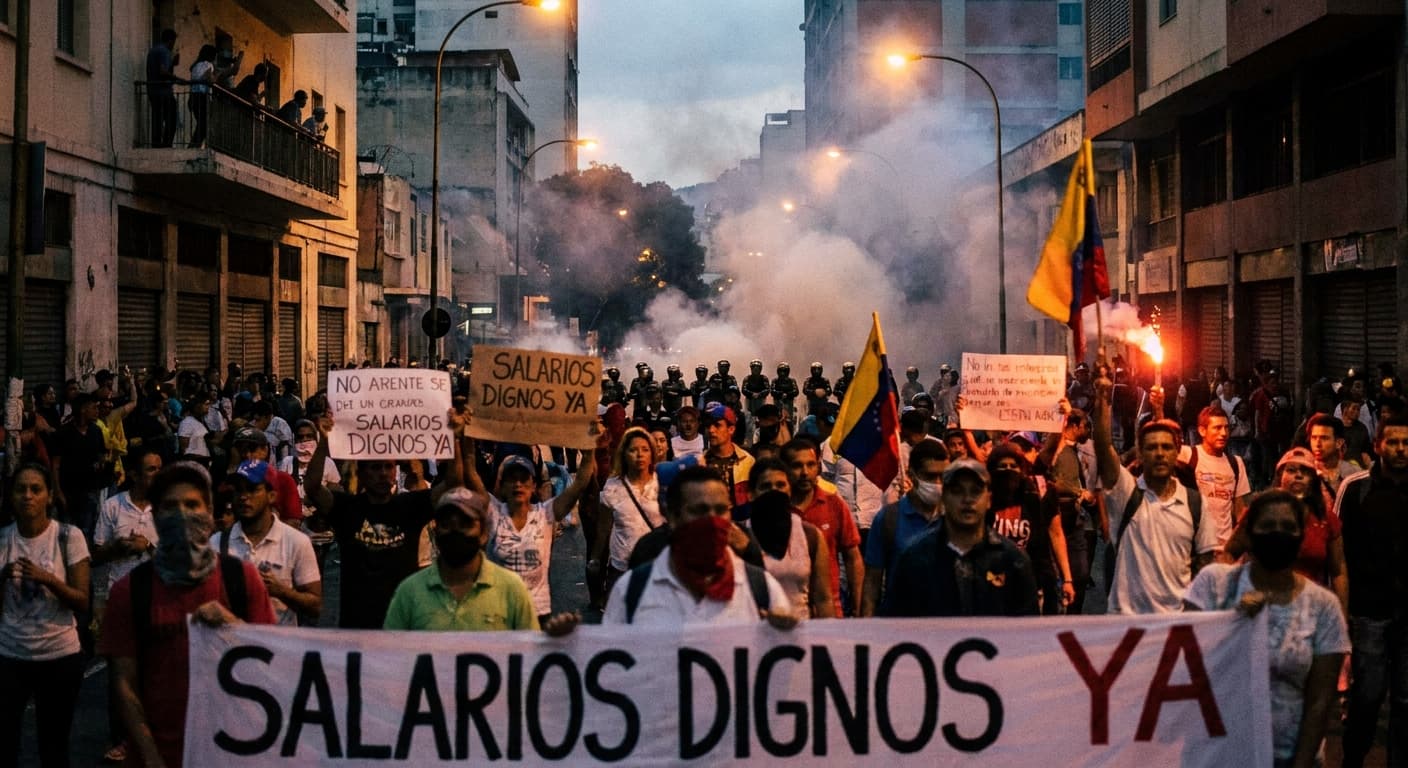
Venezuela Protests Demand Economic Reforms
Protests across Venezuela spotlighted deepening economic hardship under Maduro as workers demanded higher wages and pensions amid growing public discontent.
US Politics
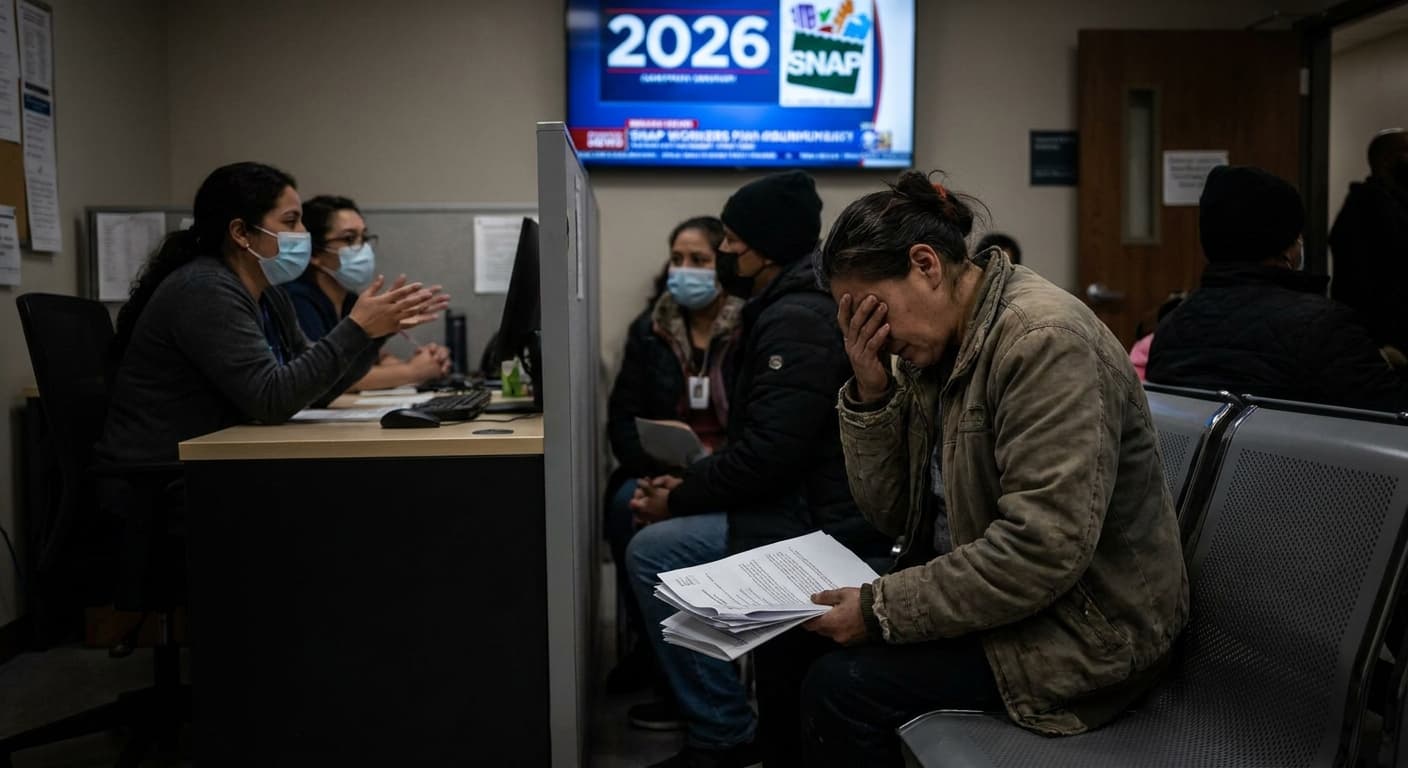
SNAP Food Assistance Faces Legal Challenges
In 2026, SNAP faces stricter eligibility rules and mounting legal challenges, threatening food assistance for the millions of Americans who rely on the program.
US Politics
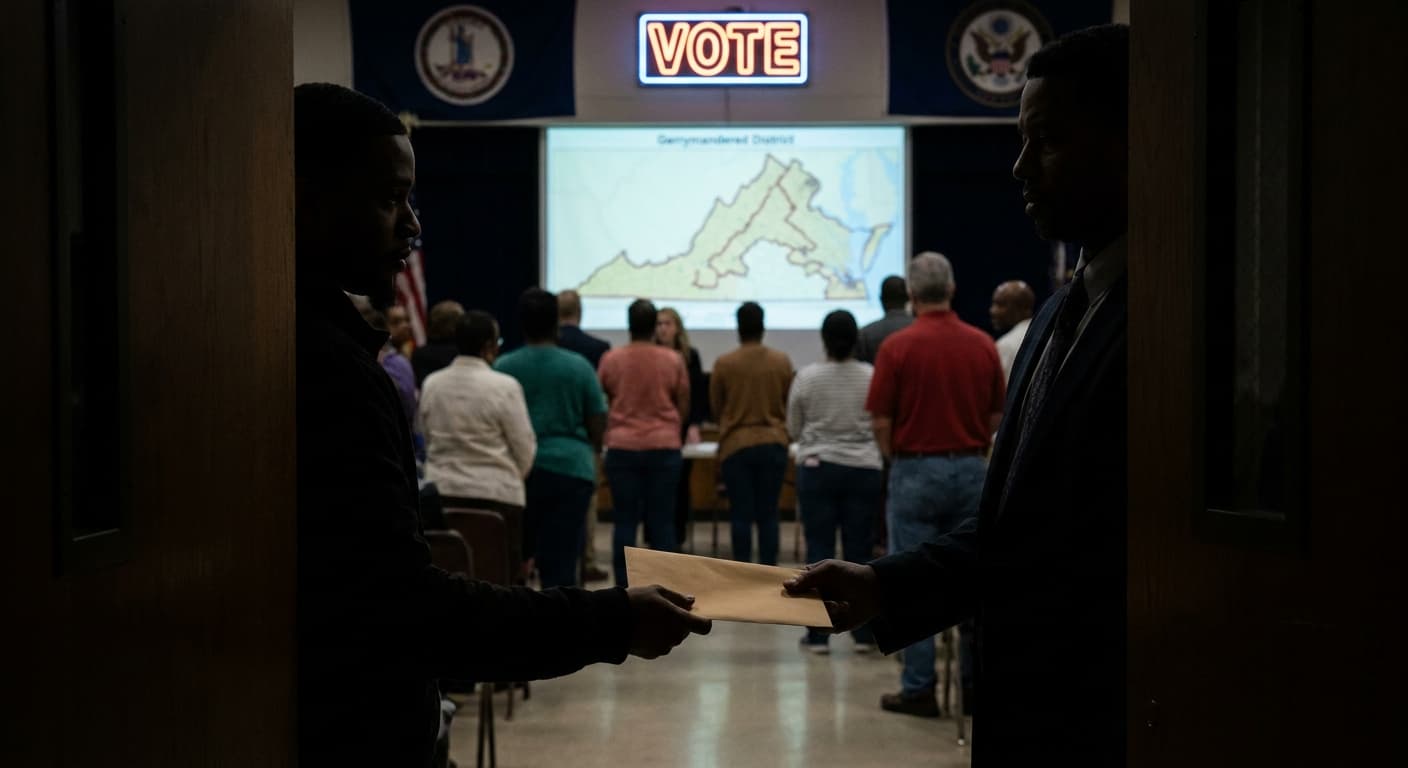
Virginia's Redistricting Referendum
Virginia's redistricting referendum is drawing a flood of dark money, shaping future elections and the fight for congressional control amid party stakes.

Economics
Fed's Amex AML order puts correspondent banking on notice
Federal Reserve's Amex AML order requires board-level controls and a 90-day plan; OCC fined the bank $350 million over enterprise-wide deficiencies.