Venezuela Protests Demand Economic Reforms
Public-sector workers demand better wages and pensions in Caracas.
Model Diplomat3 min readLatin America
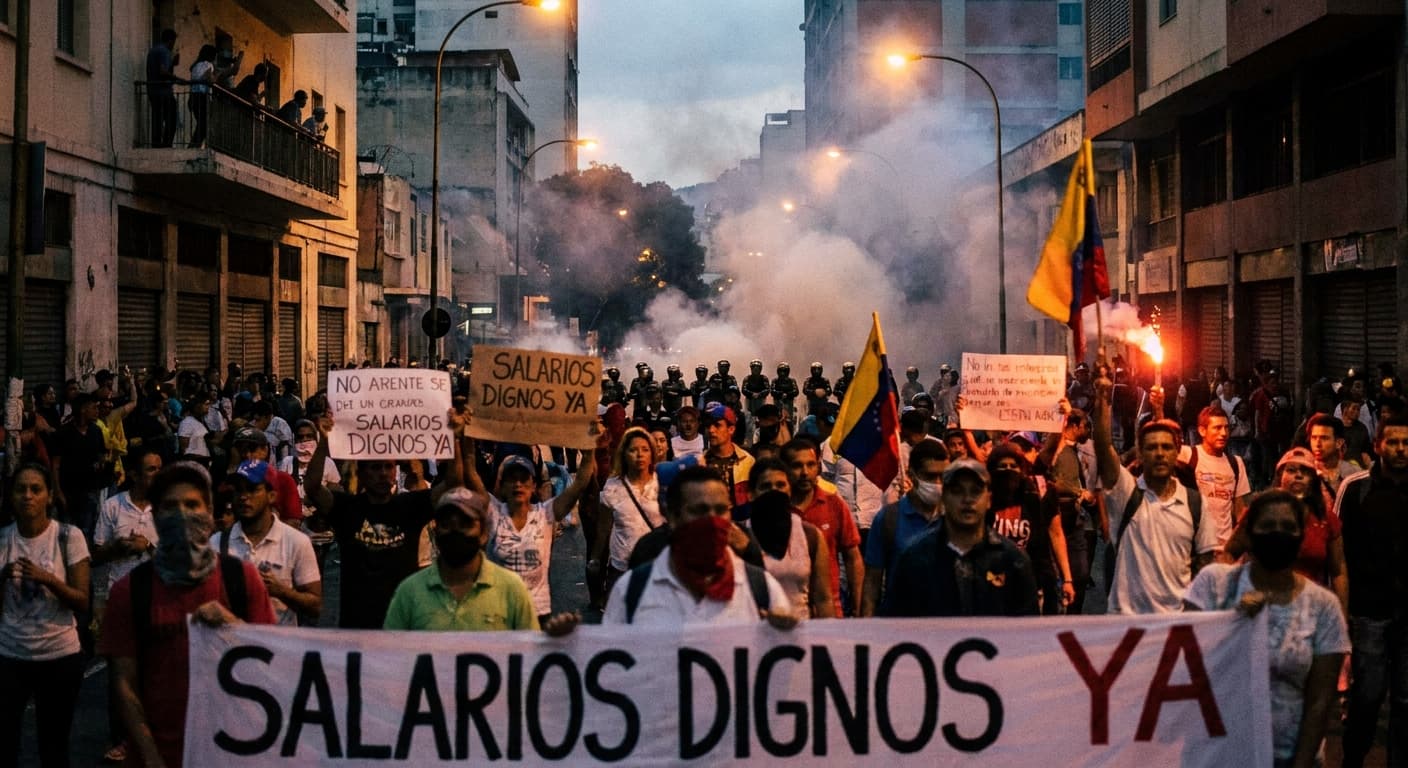
Venezuela Protests Signal Rising Pressure on Maduro’s Government
Union leaders and public-sector workers clashed with police in Caracas on April 16 demanding higher wages and pensions, highlighting economic strains under Maduro’s rule.
In Caracas, Venezuela’s capital, public-sector workers and union leaders staged a significant protest near the Miraflores presidential palace on April 16, 2026. Demonstrators demanded “higher wages and dignified pensions,” pushing back against economic hardship that has plagued the country for years. Police blockades confronted the protestors, underscoring the government’s determination to control dissent. Acting President Delcy Rodríguez addressed the unrest, but did not offer immediate concessions.
Why This Matters: Economic Strain and Political Stability
Venezuela’s economy remains in critical condition despite an easing of hyperinflation in recent years. Public wages have lagged painfully behind inflation, eroding living standards. Pensioners, a particularly vulnerable group, continue to struggle with inadequate benefits amid soaring prices for basic goods.
These protests are a direct challenge to Nicolás Maduro’s administration. While the president remains in power, economic hardship continually chips away at his political base—especially among state workers who were historically loyal. Protests signal a growing disconnect between the government and its traditional supporters.
The confrontations near the presidential palace are also politically symbolic. Miraflores serves as the epicenter of executive power, and protests there show a willingness among labor groups to directly confront the regime rather than hiding grievances on the margins.
This unrest arrives amid ongoing international attention on Venezuela’s political crisis. Western sanctions, a fractured opposition, and Maduro’s international isolation limit his maneuvering room for economic reforms. Meanwhile, the government’s heavy-handed response risks further alienating citizens already tired of hardship.
Historical Echoes and Regional Impact
Venezuela has faced waves of labor unrest before. In 2014 and 2017, mass protests shook Caracas, driven by inflation, shortages, and political repression. But the return of large-scale union-led actions signals a possible recalibration in opposition tactics, emphasizing economic demands that cut across political lines.
Regionally, Venezuelan instability continues to pressure neighboring countries—Colombia and Brazil host millions of Venezuelan migrants fleeing hardships. Any significant destabilization risks further migration flows and humanitarian challenges. Venezuela’s government must balance repression and reform carefully to prevent a broader regional spillover.
What to Watch Next
Key developments to monitor include:
- The government’s wage and pension policy announcements: Will Maduro’s regime offer tangible economic relief or maintain tight control?
- The scale and frequency of protests: Are union leaders able to sustain momentum and broaden support among other sectors?
- International response: Especially any shifts from allies like Russia, China, or Cuba in support or pressure for reform.
- Opposition dynamics: Whether economic grievances catalyze a new, united front challenging Maduro’s grip ahead of the 2027 presidential elections.
Venezuela’s ongoing protest wave reveals the acute economic and political tensions simmering beneath the surface. For analysts watching Latin America’s most fraught regime, these labor disputes provide a concrete barometer of how sustainable Maduro’s rule may be in the face of growing domestic demands. For a deeper dive on this evolving crisis, see our broader coverage of Venezuela and its complex
international relations.
Discover more
Global Politics
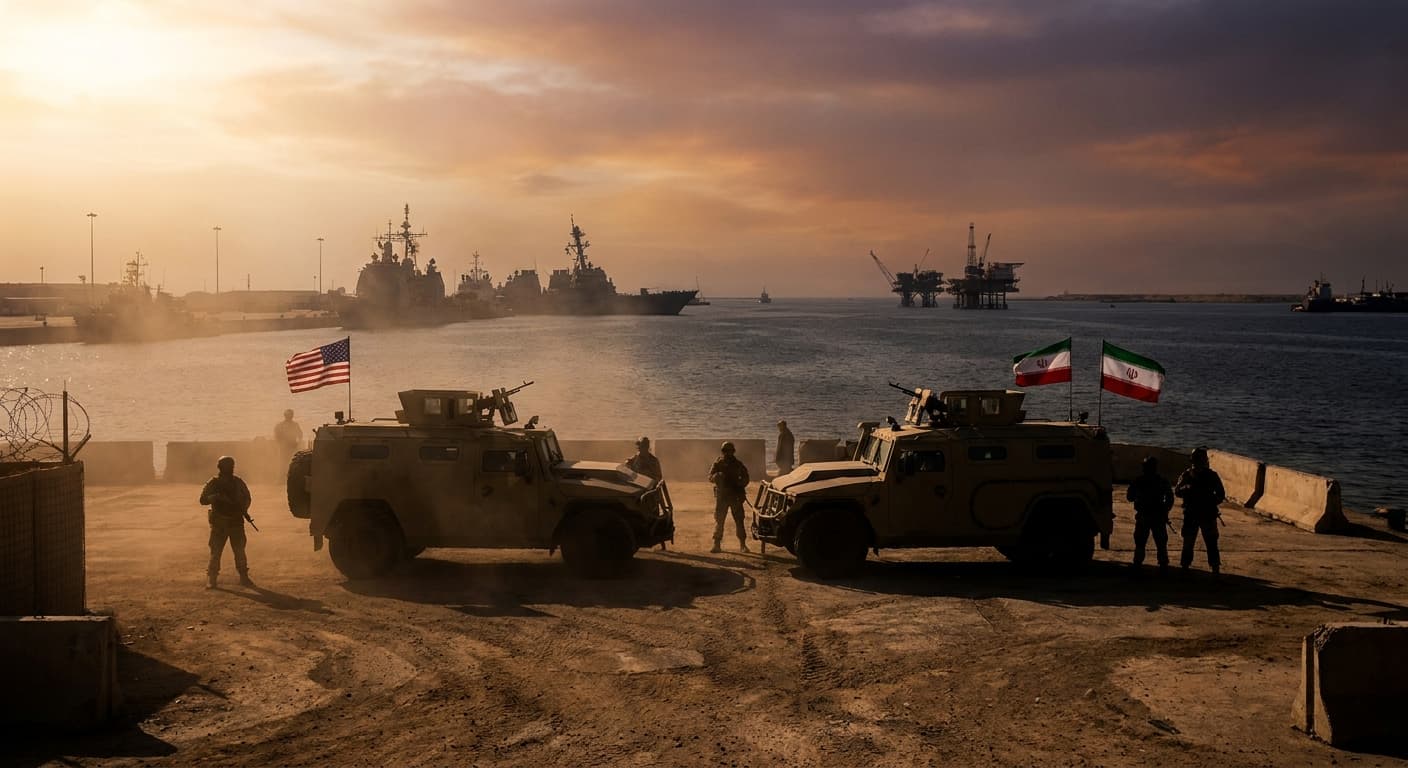
US-Iran Tensions Rise
Tensions escalate in the Strait of Hormuz as Iran and the US clash over maritime control, with a ceasefire hinging on a contested MoU paragraph.

India
Farmers’ Protests Resurge in India
Farmers' protests are reigniting across India, exposing deep political and economic tensions and key agricultural grievances ahead of the 2027 elections.

Global Politics
Israel-Lebanon Talks Resume in US
Israel and Lebanon resume talks in the US, but Hezbollah's rejection of negotiations clouds prospects, risking regional stability and economic opportunity.

Economics
Fed's Amex AML order puts correspondent banking on notice
Federal Reserve's Amex AML order requires board-level controls and a 90-day plan; OCC fined the bank $350 million over enterprise-wide deficiencies.