Colombia's Drone War
Drones empower guerrillas as Colombia struggles to respond.
Model Diplomat3 min readSouth America
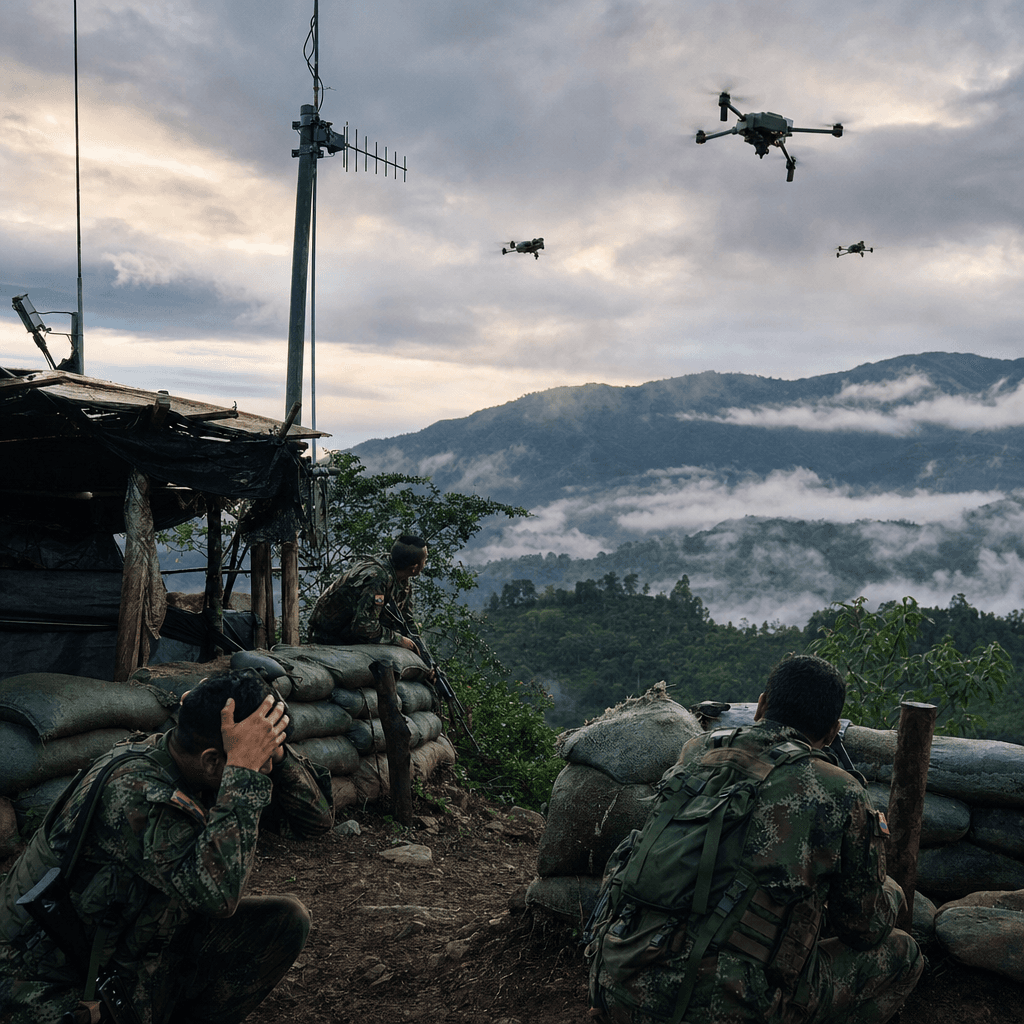
Colombia’s Drone War Tilts Toward Armed Groups
Cheap, improvised drones have given guerrillas and criminal networks a new edge in Colombia, while the state’s counter-drone response is still catching up.
The key imbalance is simple: armed groups can buy and adapt drones faster than Bogotá can neutralize them. Al Jazeera reports that Colombia’s Ministry of Defence recorded 8,395 weaponised drone attacks in 2025, with 333 “effective” strikes, a 445 percent jump from 2024; the same tally says 20 people were killed and 297 injured last year (Al Jazeera). Those drones are being used by the ELN, Clan del Golfo and FARC dissidents to hit soldiers, police and infrastructure — and to watch communities from above.
Why the balance is shifting
Drones solve an old Colombian problem for insurgents: how to project force without holding ground. They are cheap, commercially available and increasingly hard to jam. Al Jazeera says analysts see two main uses — attack and surveillance — with armed groups flying over crops, roads and villages to monitor movement and enforce territorial control (Al Jazeera). That matters because Colombia’s conflict is still structured around remote terrain, weak state presence and narcotics economies: the group that can see first usually shoots first.
The state is responding, but from behind. Reuters reported in January that Defence Minister Pedro Sánchez launched a $1.68 billion national anti-drone shield, with an initial budget approved for the project and a plan to protect civilians and security forces from explosive-laden UAVs (Reuters). UNMAS added in April that the government had already begun field tests on anti-drone systems, while warning that the humanitarian impact is rising fast in border and Pacific regions (
UNMAS). The problem is not intent; it is time. Procurement, testing and deployment move far slower than a guerrilla workshop bolting explosives onto a commercial frame.
Who benefits, who pays
The immediate beneficiaries are the armed actors that can hold territory cheaply: FARC dissidents in Cauca, Nariño and Guaviare; the ELN in the northeast; and criminal groups that profit from coca, extortion and illegal mining. EL PAÍS reported this month that police defused an explosive drone near Bogotá’s El Dorado air base, showing the threat is no longer confined to rural fronts (EL PAÍS). That widens the political risk for President Gustavo Petro: drone attacks are no longer just a battlefield nuisance, but a national-security issue with urban spillover.
Civilians lose twice. First, they are exposed to errant strikes and unexploded devices. Second, the atmosphere of constant surveillance drives displacement. Al Jazeera cites humanitarian reporting that 235,619 people were displaced in 2025, while communities in Catatumbo and Cauca described drones circling homes, schools and roads, turning daily life into a risk calculation (Al Jazeera). That is the real strategic effect: drones are not just killing more efficiently; they are making state authority feel absent.
What to watch next
The next test is whether Bogotá can put the anti-drone shield into field units before the violence spreads further into electoral and urban space. Watch for three markers: deployment of the new systems beyond pilot sites, whether jamming works against fiber-optic drones, and whether attacks continue to move toward roads, bases and population centers. If the state cannot close that gap soon, Colombia’s armed groups will keep the initiative — and the skies — for themselves.
Discover more
Global
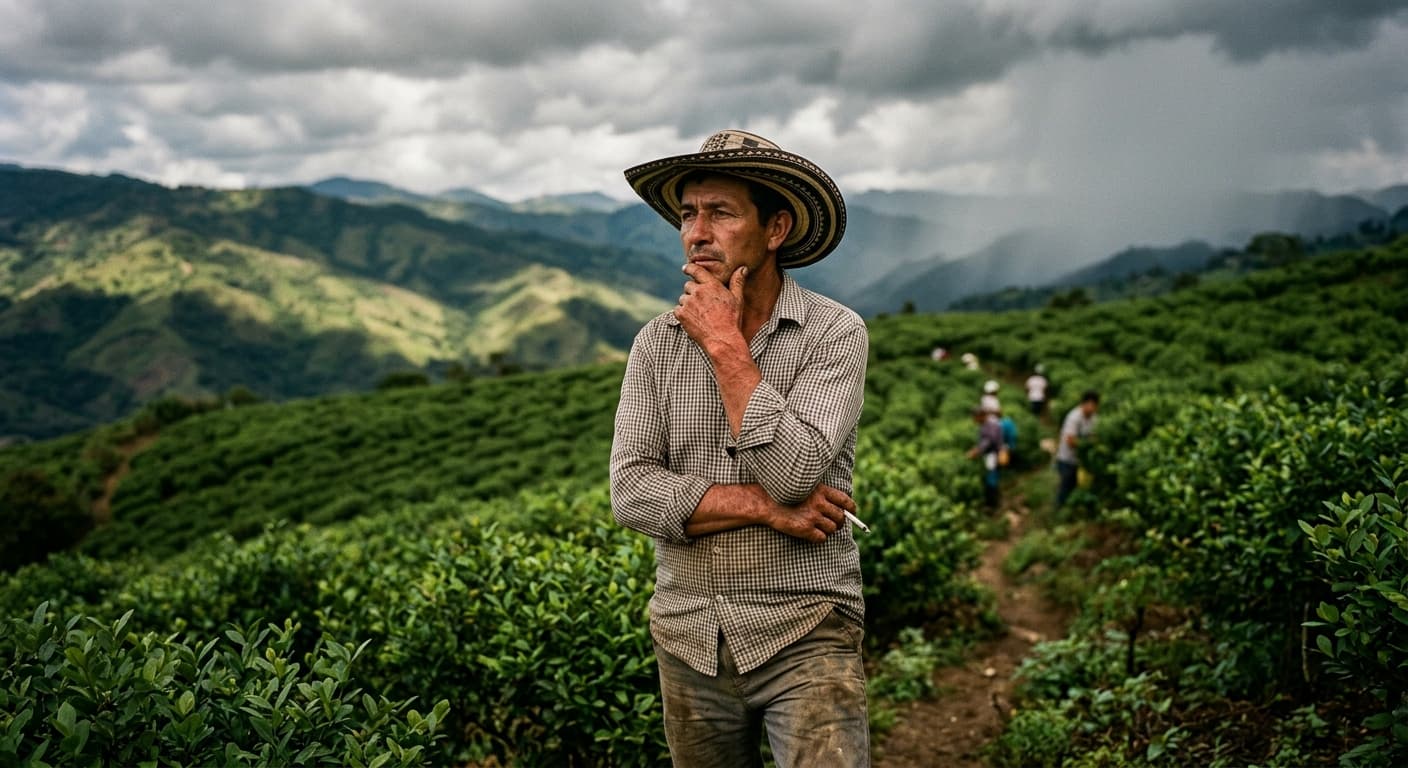
Colombia's Coca Bet: De la Espriella's Plan
Colombia's coca cultivation hits 261,000 hectares as new president De la Espriella plans aggressive eradication strategies amid U.S. scrutiny.
Conflict & Security
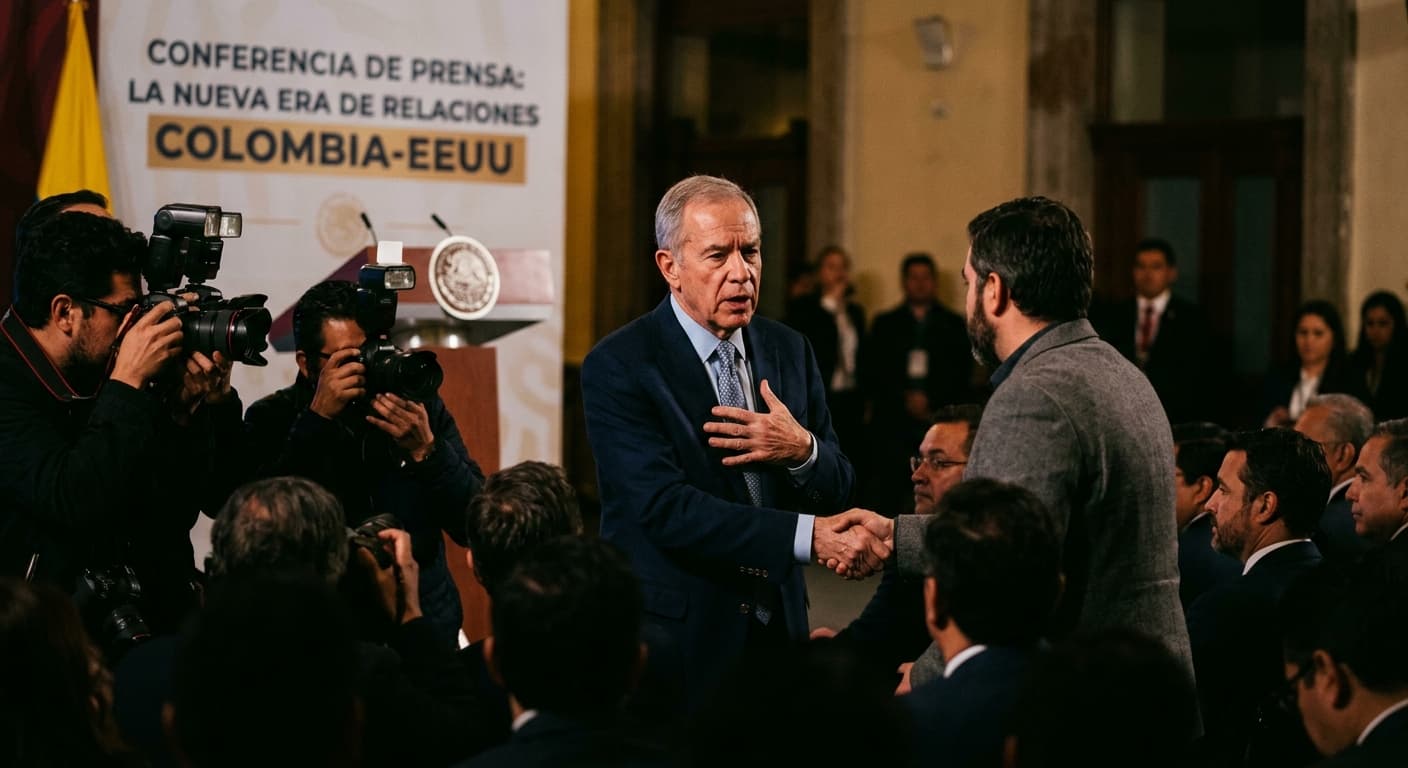
De la Espriella's Razor Win Resets US-Colomb
De la Espriella's razor-thin election win signals a reset in US-Colombia relations, reshaping security ties and the agenda under a Trump-aligned approach.

International Relations
Colombia's Razor-Thin Rightward Pivot
Colombia swings right as Abelardo de la Espriella narrowly wins the presidential runoff by under one percent, exposing a deeply divided and polarized nation.
Conflict & Security
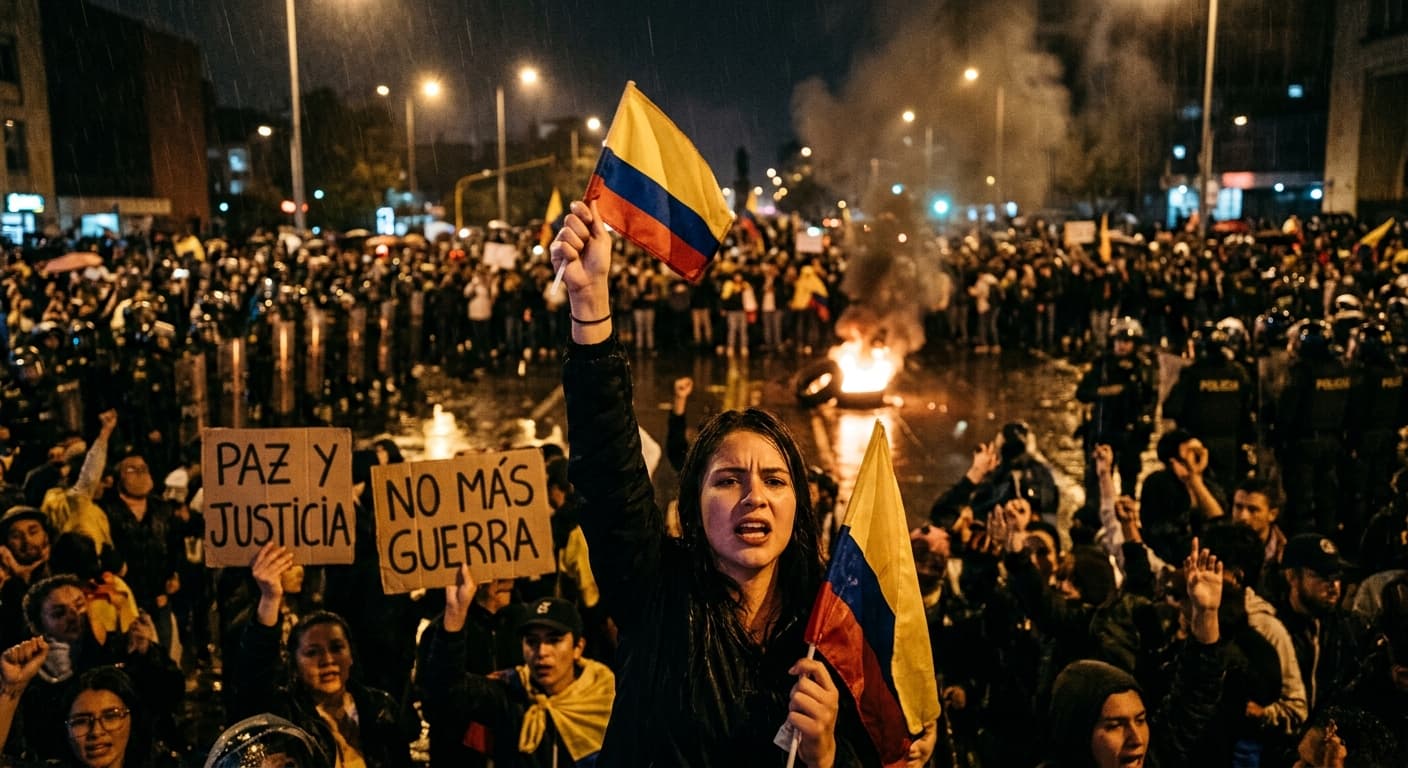
De la Espriella's Victory Could Unwind Peace
Colombia's election pits De la Espriella's hardline military approach against ongoing peace negotiations, leaving the fragile peace process in the balance.