China's Taiwan Strategy
Beijing's approach to Taiwan relies on strategic delay.
Model Diplomat3 min readAsia
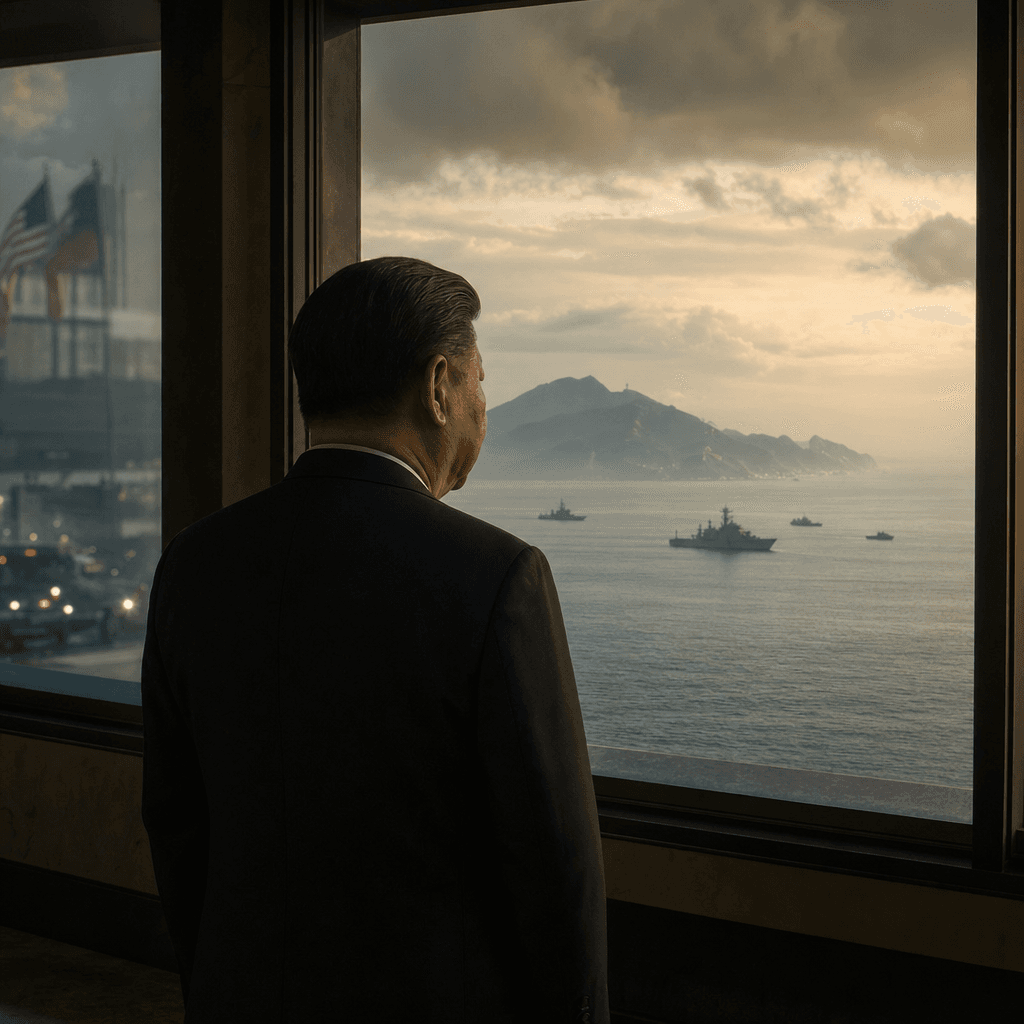
China’s Taiwan Strategy Is Delay, Not Dash
Beijing is betting that patience lowers the cost of coercion: U.S. guarantees soften, Taiwan’s politics fracture, and force becomes optional.
China is not waiting because it is hesitant; it is waiting because it thinks time is working for it. That is the core argument in Foreign Affairs: Beijing wants unification at the lowest possible cost and believes that as its military, economic, and coercive leverage grow, Taiwan will face a worse bargain and Washington will look less reliable. The article’s key point is that China sees no need to rush into a full invasion if it can instead make capitulation look inevitable.
Beijing’s leverage is cumulative
The power dynamic is straightforward: China is trying to turn strategic patience into strategic compulsion. Foreign Affairs says Beijing expects its widening military reach to deter U.S. intervention, while its growing national power will gradually erode Taiwan’s willingness to resist. That logic favors a pressure campaign: more coast guard and naval activity near the island, more legal and economic coercion, more ambiguity about where “normal” ends and blockade-like behavior begins.
That fits the pattern analysts have been warning about for years: not a clean amphibious assault, but a grinding campaign to change facts on the water and in the air. Beijing’s preference for incremental escalation matters because it gives Xi Jinping room to calibrate risk. If Washington and Taipei do not cross Beijing’s redlines, China can tighten the screws without triggering the costs of war.
Washington and Taipei are helping the bet
The article lands harder because U.S. signals are muddled. Foreign Affairs says Beijing has been encouraged by Donald Trump’s refusal to make an unambiguous defense commitment, Washington’s delay of a reported roughly $14 billion Taiwan arms package in 2025, and U.S. rhetoric about Taiwan’s semiconductor industry. Reuters reported in April that Trump’s China policy is still drifting, with allied confidence weakened by transactional bargaining and fears that Taiwan could become a chip-for-security bargaining chip (
Reuters).
Taipei is also giving Beijing reasons to wait. NPR reported in January that President Lai Ching-te’s proposed special defense budget has been stalled by opposition control of Taiwan’s legislature, even as Chinese aircraft incursions hit record levels in 2025 (NPR). That creates a useful asymmetry for Beijing: Taiwan bears the political cost of urgency, while China can let domestic division slow the island’s rearmament.
What to watch next
The next decision point is whether Beijing treats Lai’s second-term moves as routine politics or as a sovereignty break. Foreign Affairs says the likely Chinese response is not immediate invasion but sharper coercion: operating closer to Taiwan’s 12-nautical-mile zone, or imposing a selective quarantine that restricts shipping and inspection without declaring a full blockade. That would raise pressure while keeping escalation under Beijing’s control.
Watch two things: whether Washington restores a cleaner deterrent signal, and whether Taiwan’s opposition finally unlocks the defense budget. If neither happens, China’s current strategy gets stronger—not because it is winning fast, but because it is winning slowly. For wider context, see International Relations and
Global Politics.
Discover more
Global Politics
Trump's Conflicting Messages on Iran War
Trump's mixed messages on Iran reflect a strategy of audience management, benefiting Tehran amid a complex geopolitical landscape.

Conflict & Security
Drone Warfare Killing Aid Workers at Unprec
Over 1,000 humanitarian workers killed in three years as cheap armed drones collapse legal protections. Gaza, Sudan, Ukraine, and DRC see deliberate targeting of aid convoys and hospitals with zero prosecutions.

Global
World Normalises Taliban as Afghan Women Eras
UN data shows Afghan women erased from public life as Russia recognises the Taliban, EU hosts officials in Brussels, and ICC warrants for gender persecution go unenforced.
Conflict & Security
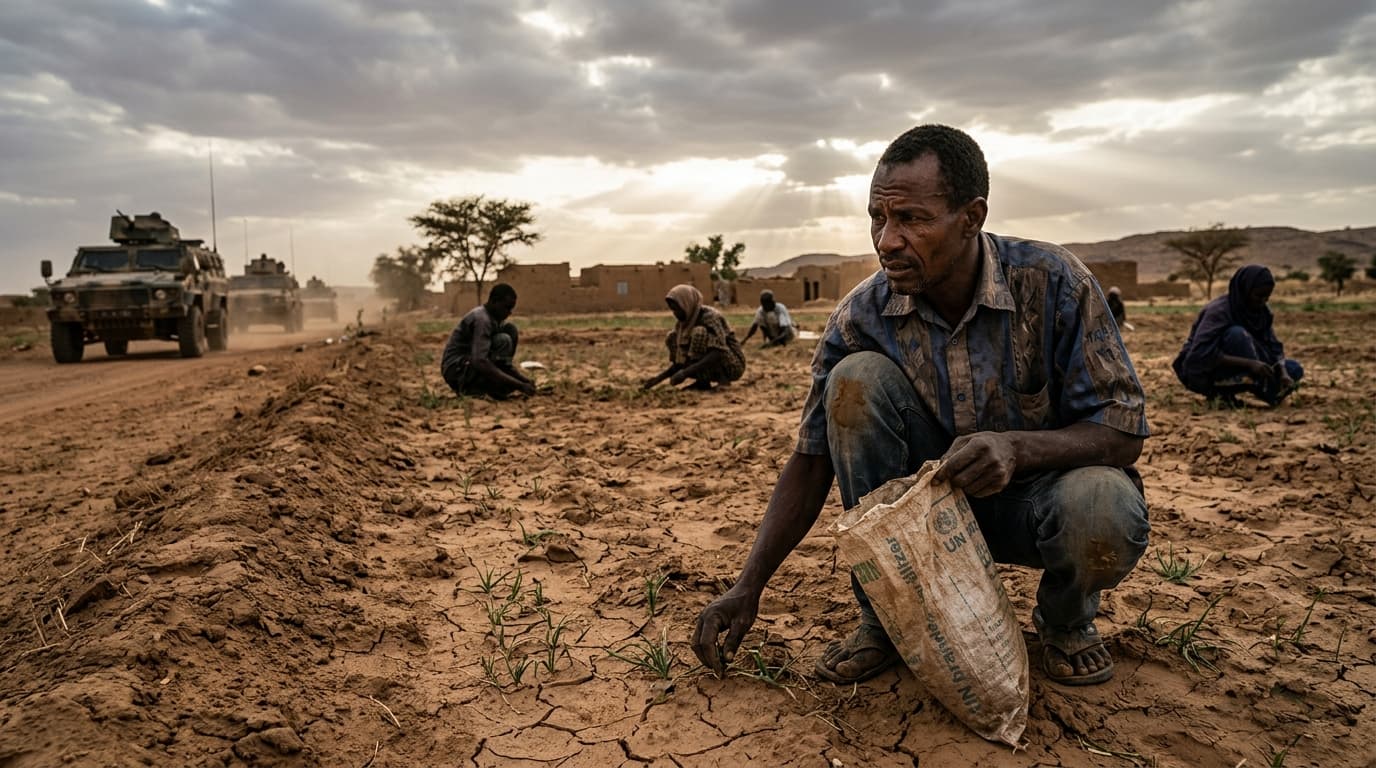
West Africa Food Crisis: Three Shocks in 2026
Conflict, climate extremes, and the Strait of Hormuz closure drive a severe food crisis in West and Central Africa, with fertilizer prices surging 80% and millions displaced.