China, Iran Seek Ceasefire Amid Hormuz Tense
Beijing leverages oil and diplomacy to influence Tehran's talks.
Model Diplomat2 min readMiddle East
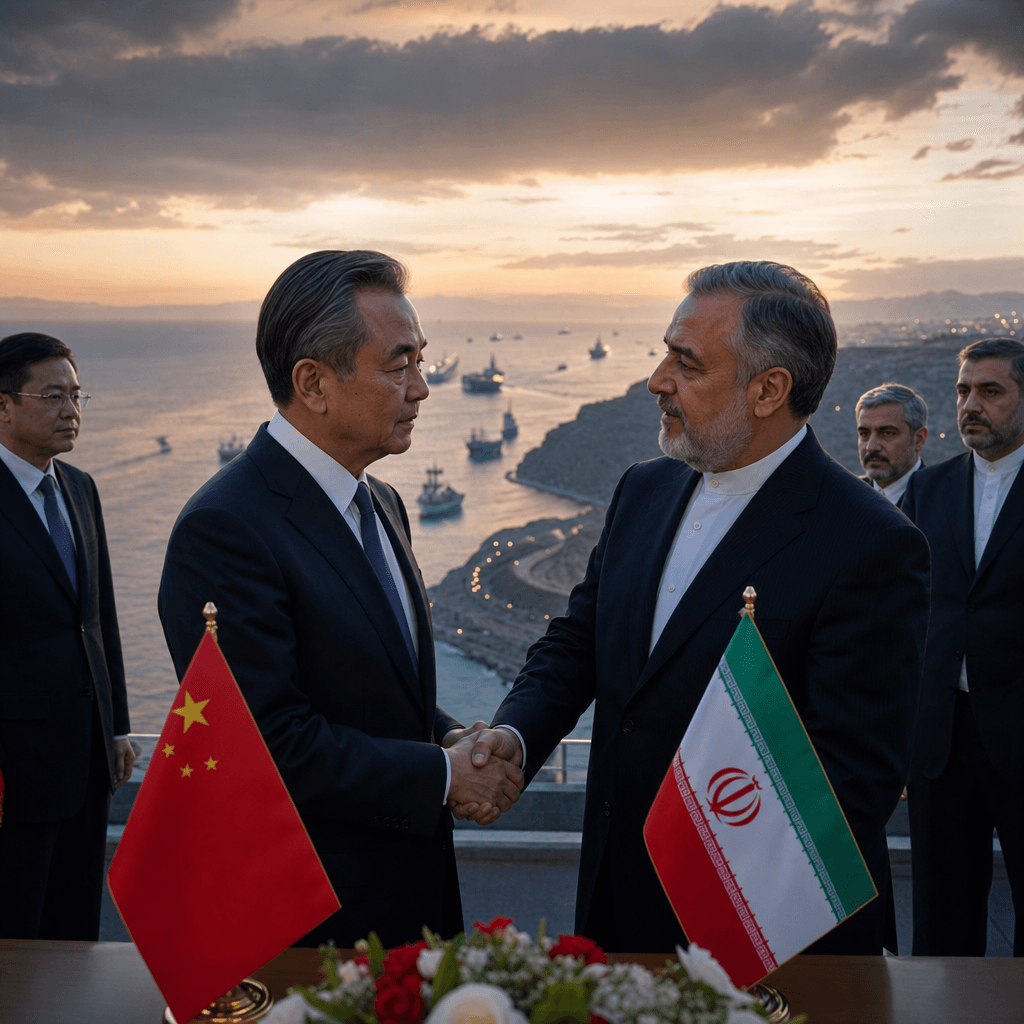
China, Iran Press Ceasefire as Hormuz Pressure Mounts
Beijing is using its oil and UN leverage to push Tehran toward talks, but Washington still sets the real terms of any settlement.
China is leaning into the ceasefire track because it has more to lose from a wider regional war than from keeping Iran close. In the AP report, Chinese Foreign Minister Wang Yi and Iranian Foreign Minister Abbas Araghchi discussed the need for a ceasefire, after Beijing had already been pressing for talks and freedom of navigation through the Strait of Hormuz. China has framed itself as a responsible power, but its real interest is practical: protect shipping, avoid energy shocks, and keep its biggest sanctioned-oil supplier from sliding into a deeper confrontation with the United States. (AP News,
Reuters)
Why Beijing is talking, not solving
China has leverage, but not command. Reuters reported in March and April that Wang Yi urged “meaningful and sincere” peace talks and warned that stability in the Strait of Hormuz depends on a ceasefire, while Chinese diplomats widened contacts with the EU and Germany on the same theme. That matters because Beijing can encourage Tehran, but it cannot deliver the U.S. concessions Iran wants, and it cannot guarantee calm in the Gulf if the military track reopens. (Reuters,
Reuters)
For Iran, the conversation with China is useful mostly as diplomatic cover. Araghchi can show he is not isolated, even while Tehran continues to face U.S. pressure over maritime security and sanctions enforcement. Reuters reported this week that Washington is pushing a UN Security Council resolution aimed at Iran’s conduct in Hormuz, while China and Russia are again in a position to blunt U.S. efforts if the text hardens into sanctions or force authorization. That is where Beijing’s power really sits: not at the negotiating table, but in the Security Council choke point. (Reuters,
Reuters)
Who benefits, who loses
Pakistan benefits most from the current diplomacy. Reuters says Islamabad has hosted the only direct peace talks so far and is still ferrying proposals between Washington and Tehran. That gives Pakistan relevance it rarely gets in Gulf crises, while also positioning it as a channel for any ceasefire extension. The losers are the parties that want a harder line: U.S. officials seeking coercion through the UN, and Iranian hardliners who prefer to test whether battlefield pressure can win better terms than negotiations. (Reuters,
Reuters)
What to watch next
The next decision point is whether the fragile ceasefire survives the coming deadline and whether Washington and Tehran can narrow the gap between a temporary pause and a “comprehensive agreement.” Watch the U.S. push at the UN, Pakistan’s mediation channel, and any Chinese effort to convert rhetorical support for ceasefire into pressure on Tehran. For broader context, see Global Politics and
Conflict.
Discover more

Global Politics
US Seizes Iranian Ship, Tensions Surge
The US seizes the Iranian ship Touska near the Strait of Hormuz, escalating tensions and risking wider conflict in the region.
Global Politics
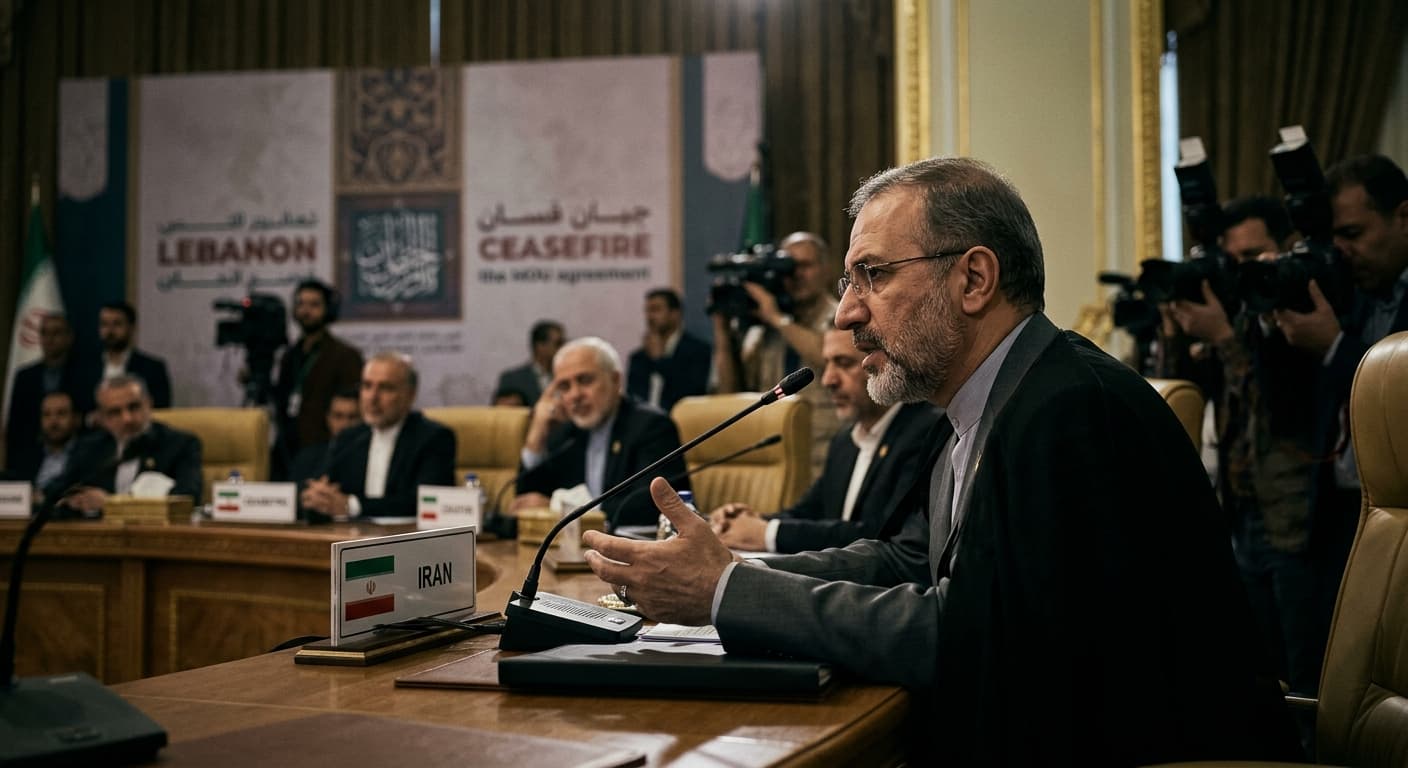
Iran Demands US Enforce Ceasefire
Iran insists the US must enforce a ceasefire in Lebanon to uphold the MoU.
India
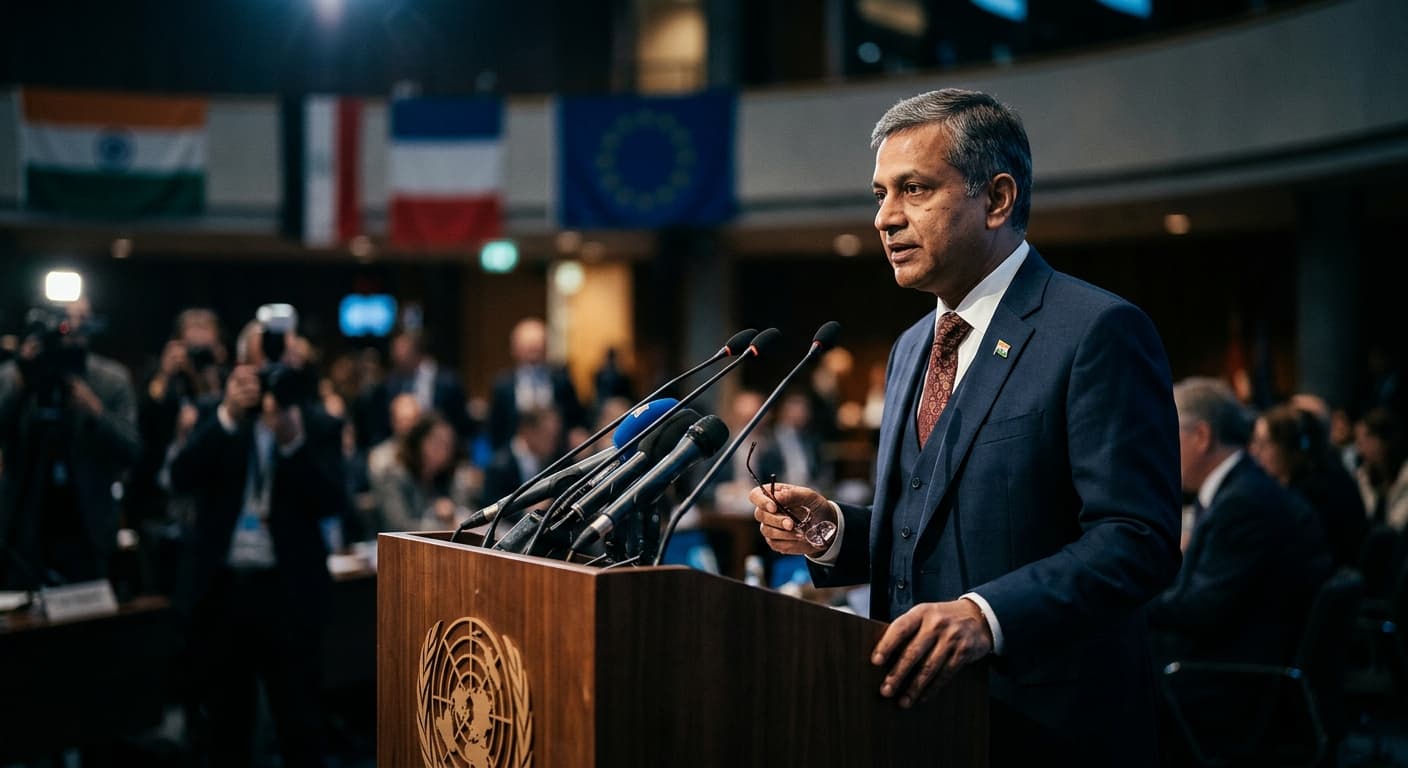
India Takes Vice-Presidency at FATF
India's Vivek Aggarwal becomes FATF vice president, paving the way for future leadership.
Global Politics
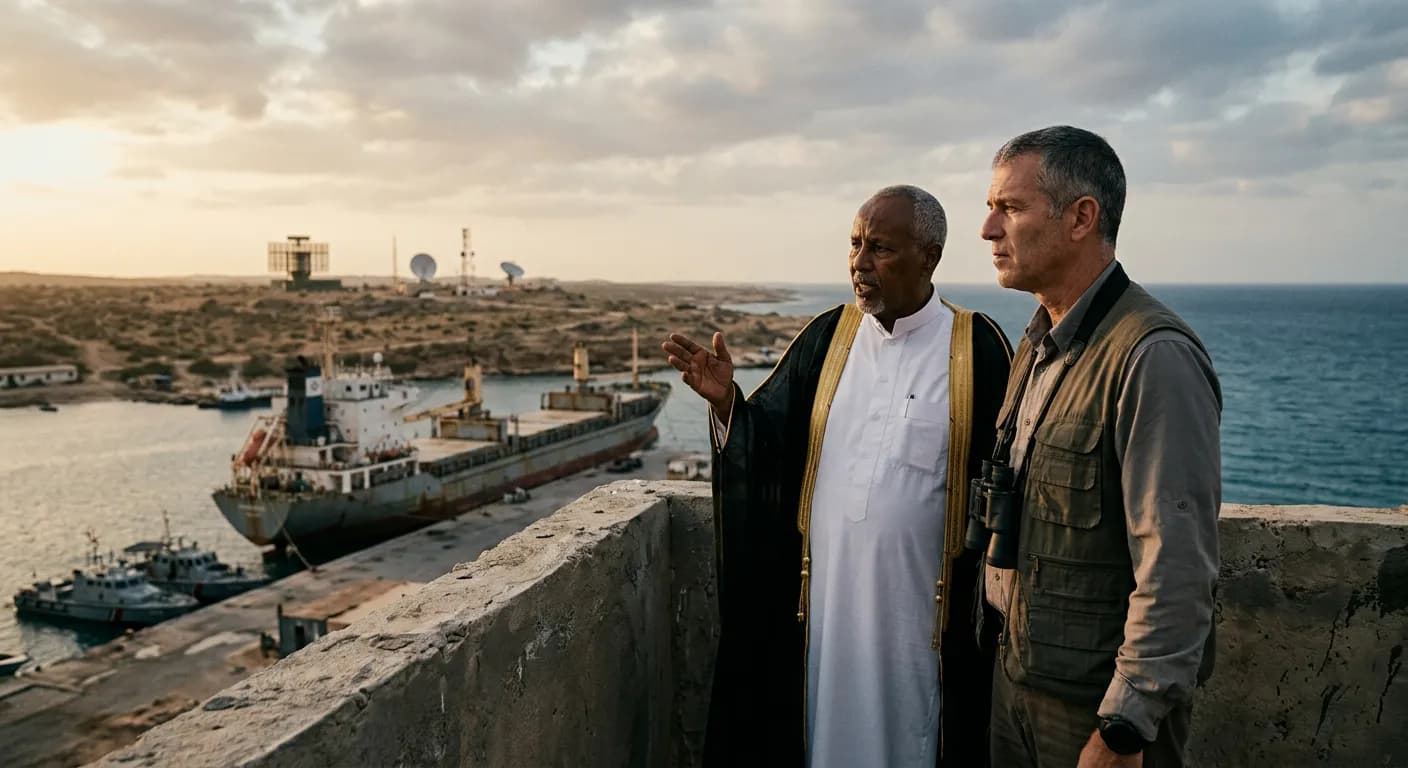
Israel's Red Sea Gambit: Why Somaliland
Israel's partnership with Somaliland aims to counter Houthi threats and enhance Red Sea influence.