CBC Boycott Kills SCORE Act and NIL Power
Black lawmakers leverage college sports for voting rights.
Model Diplomat3 min readNorth America
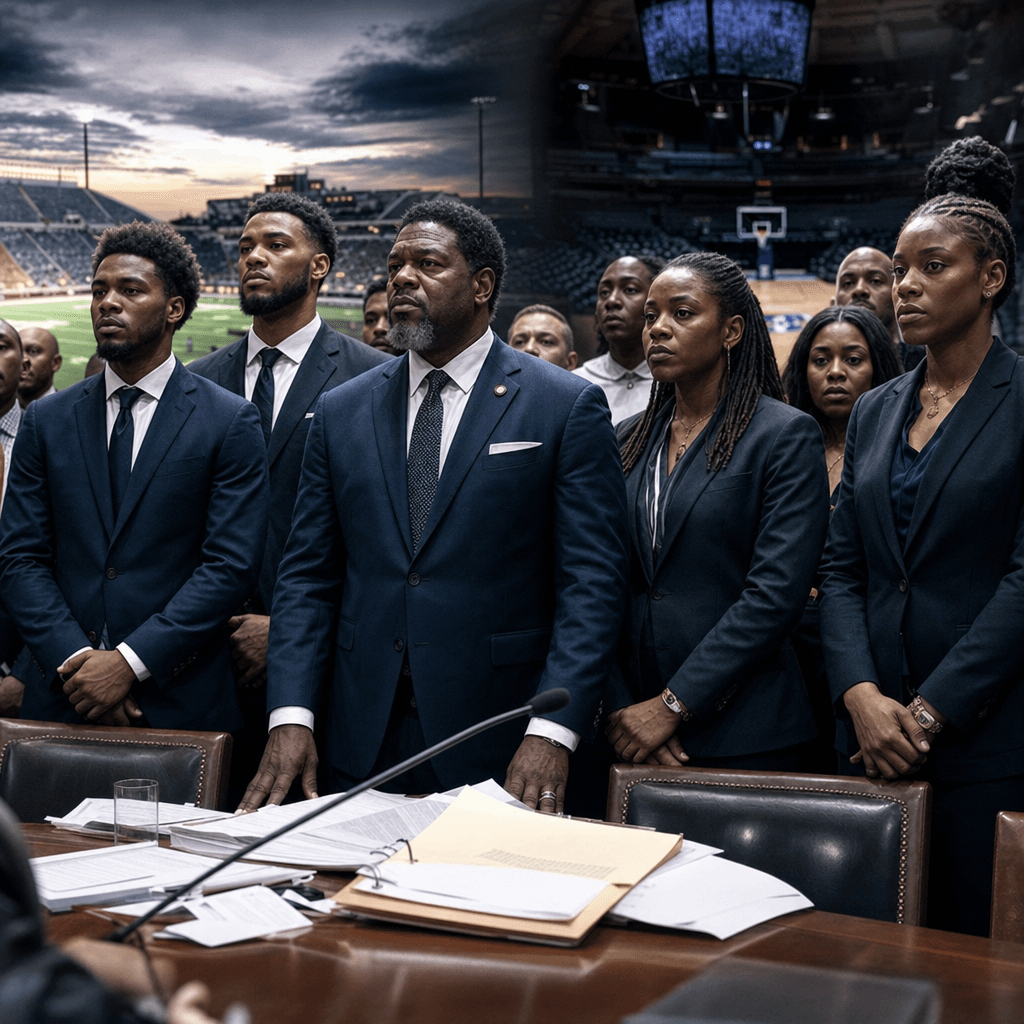
CBC Boycott Kills SCORE Act — and Shifts Power on NIL
Black lawmakers used the SCORE Act fight to link college sports to Black voting power, exposing how fragile House support was once the CBC defected.
The Congressional Black Caucus’s decision to oppose the SCORE Act gave House Republicans no room to maneuver: Speaker Mike Johnson pulled the bill after CBC lawmakers said they would not back legislation that would help major athletic institutions while Black voting rights are being eroded in the South, according to The Hill. That is the core power shift here. The NCAA wanted antitrust protection and a cleaner legal runway for name, image and likeness rules; CBC lawmakers decided college sports could be used as leverage in a broader fight over representation.
College sports became a voting-rights battlefield
The SCORE Act — the Student Compensation and Opportunity through Rights and Endorsements Act — would have given the NCAA limited antitrust shielding on NIL pay, transfer rules and athlete eligibility, The Hill. But the bill’s coalition was already brittle. House Republicans had pulled an earlier version last year after hard-right opposition, and the revised effort reportedly still needed Democratic votes to survive, with GOP leaders relying on only a narrow margin before the CBC reversed course,
Politico.
That is why the CBC’s move mattered more than the bill’s policy details. Once the caucus made its opposition unanimous, the math disappeared. The NCAA lost the closest thing it had to a legislative rescue package, and House Republicans lost a chance to show they could regulate a chaotic college sports market that has become, in practice, a billion-dollar labor and litigation problem.
The immediate losers are the NCAA and the Power Two conferences, which have pressed Congress for stability while legal uncertainty keeps expanding, Politico. The immediate winner is the CBC, which turned a niche sports bill into a high-profile protest against redistricting and voting-rights rollbacks.
The boycott message is aimed at institutions, not just lawmakers
The CBC’s stance landed the same day it and the NAACP called on Black student-athletes to boycott major college football programs in the South, after a wave of Republican-led redistricting efforts, The Washington Post. The NAACP’s logic is straightforward: if universities and conferences profit from Black athletic talent, they should not stay silent while Black political power is being diluted,
The Washington Post. That argument is politically potent because it targets the revenue stream that makes college sports matter to governors, regents and donors.
Rep. Yvette Clarke, who chairs the CBC, tied the reversal partly to the Supreme Court’s recent narrowing of the Voting Rights Act, saying lawmakers could not support a bill that would put young people “in harm’s way,” The Hill. Rep. Burgess Owens, a Black former NFL player, called that posture “sickening,” arguing the caucus was telling young athletes to abandon their dreams for politics,
The Hill. That split is the real policy divide: one side sees college athletics as a labor and civil-rights issue; the other sees it as a governance problem Congress needs to fix.
What to watch next
The next decision point is whether House Republicans try to rebuild the bill without the CBC or pivot to the Senate talks between Sens. Maria Cantwell and Ted Cruz, which are already running on a separate track, Politico. Also watch whether the NCAA, SEC and ACC respond publicly to the CBC’s letter demanding they speak out on Southern redistricting,
Politico. If they stay quiet, the boycott campaign gets easier to sustain. If they speak, they step directly into a partisan fight they have spent years trying to avoid.
For now, the leverage sits with Black lawmakers and civil-rights groups, not with the NCAA or House leadership.
Discover more
US Politics
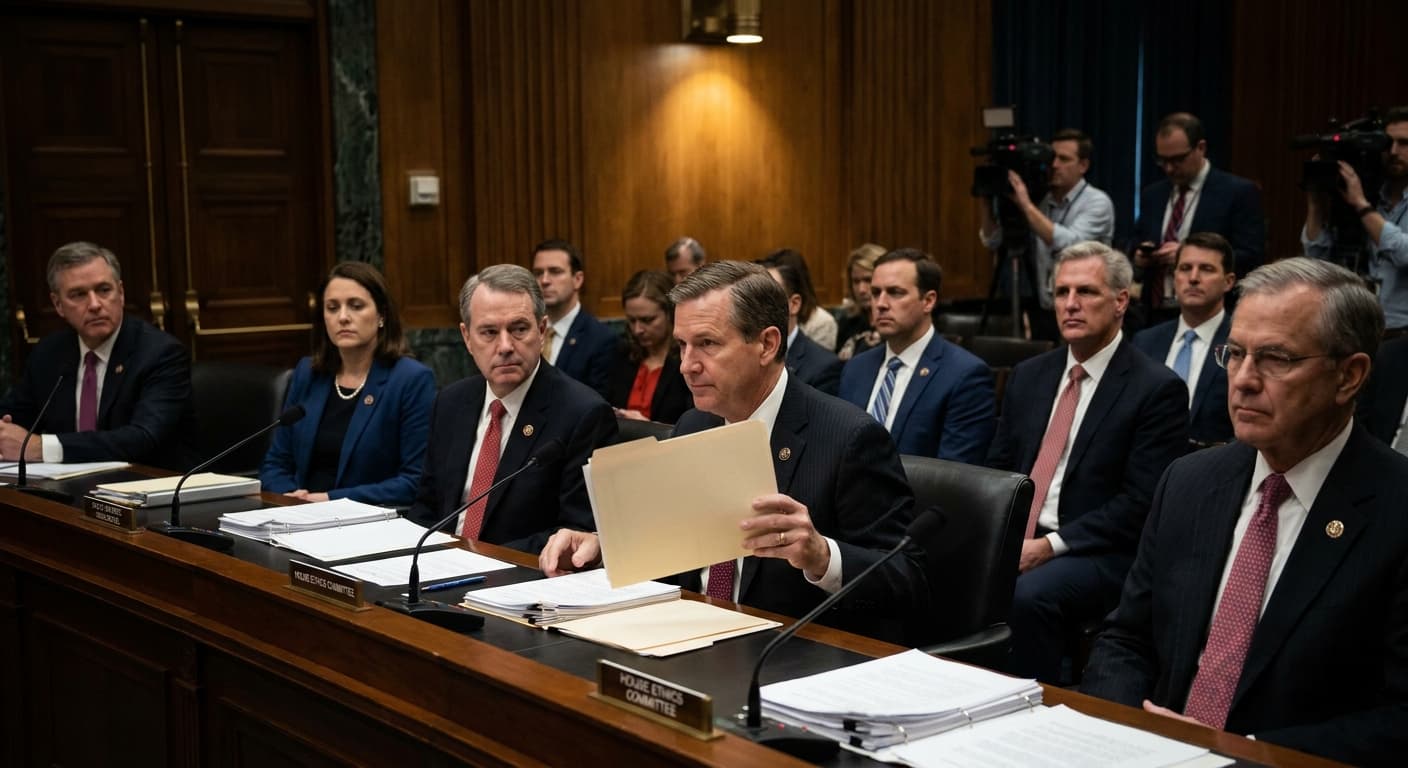
House Ethics Committee Pushes Sexual Miscond.
The House Ethics Committee has shifted responsibility for sexual harassment settlement records to the Office of Congressional Workplace Rights, complicating disclosure efforts.
India
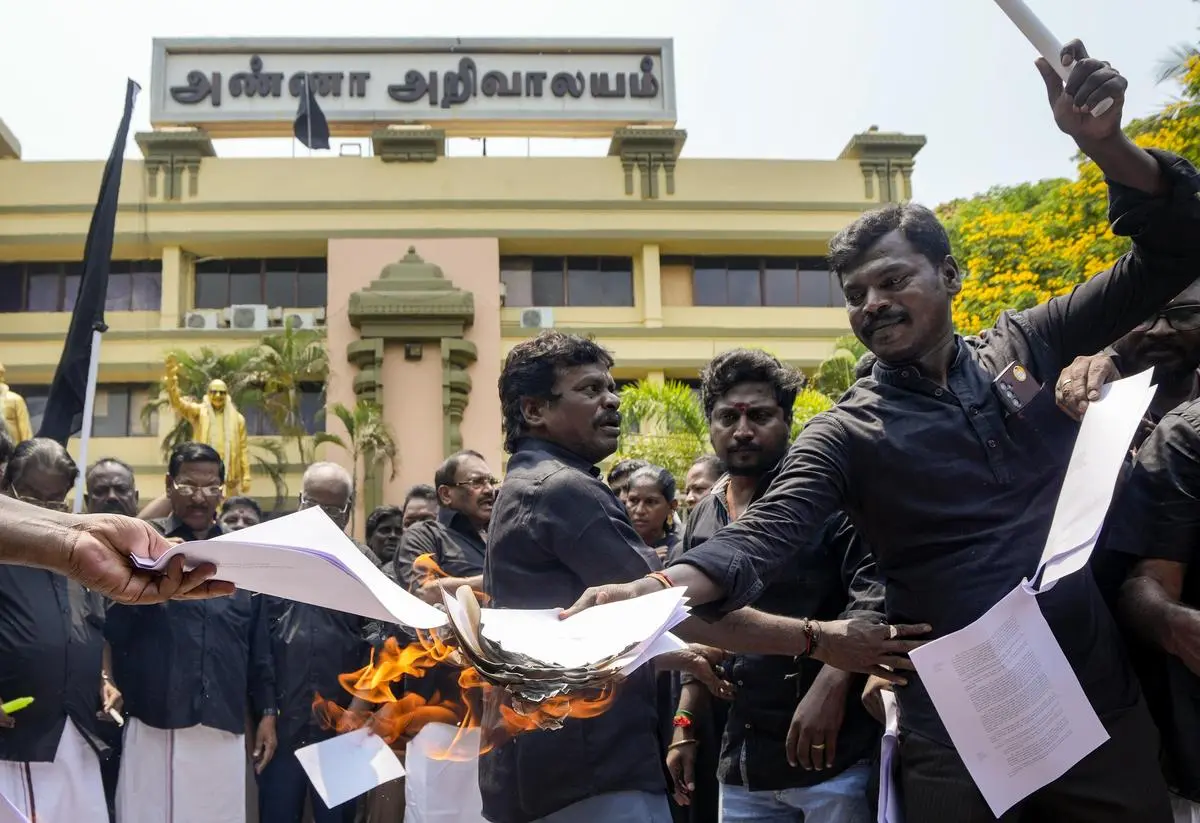
Women’s Reservation Bill 2026
The Constitution (131st Amendment) Bill, 2026 was defeated in Lok Sabha, revealing deeper political conflicts over women's reservation and delimitation.

Economics
Fed's Amex AML order puts correspondent banking on notice
Federal Reserve's Amex AML order requires board-level controls and a 90-day plan; OCC fined the bank $350 million over enterprise-wide deficiencies.
Conflict & Security
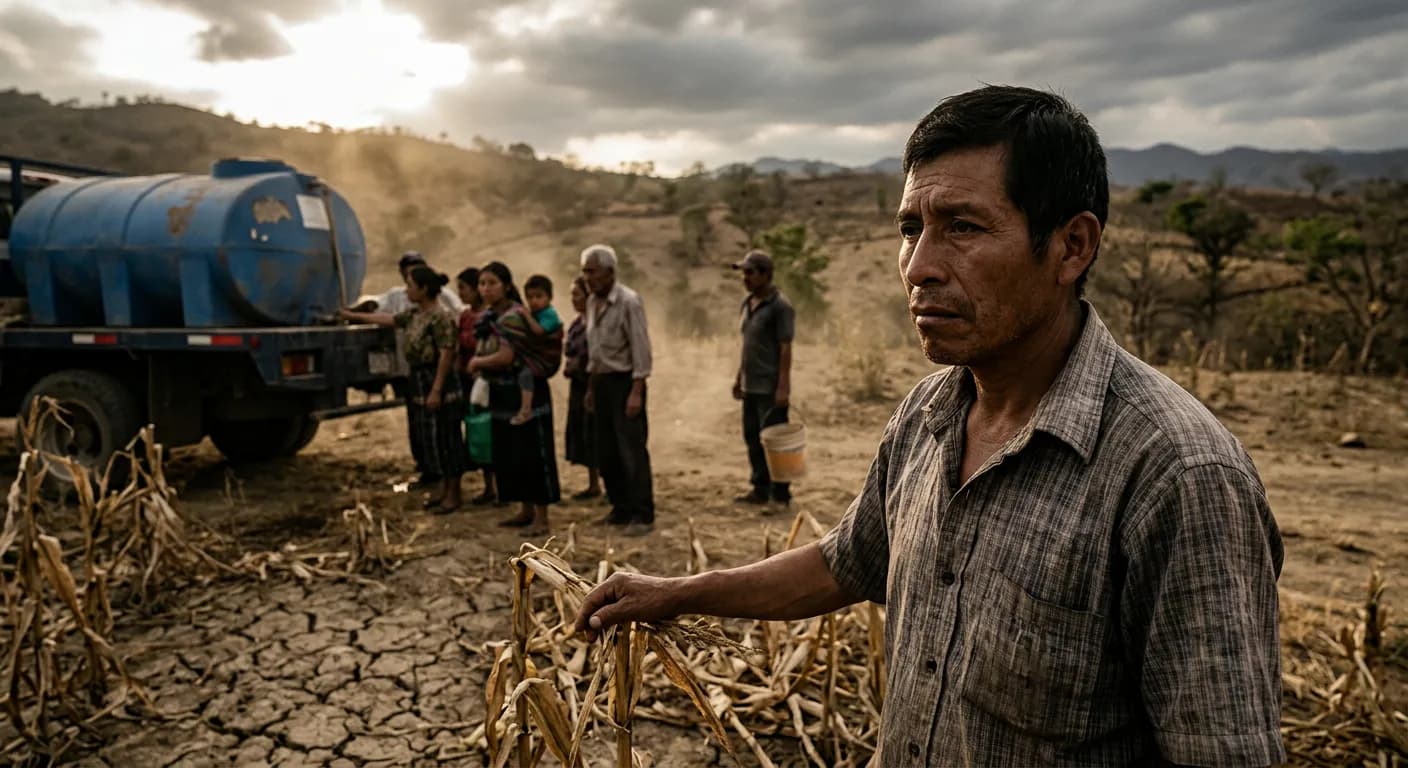
Guatemala: El Niño 2026–27 becomes regional security test
UNICEF: 25.8M children face El Niño risks in Latin America; Guatemala maps 188 municipalities for drought and food insecurity amid regional security test.