Carney’s Gaza Flotilla Rebuke Raises Pressure
Canada condemns Israel's treatment of flotilla activists.
Model Diplomat3 min readNorth America
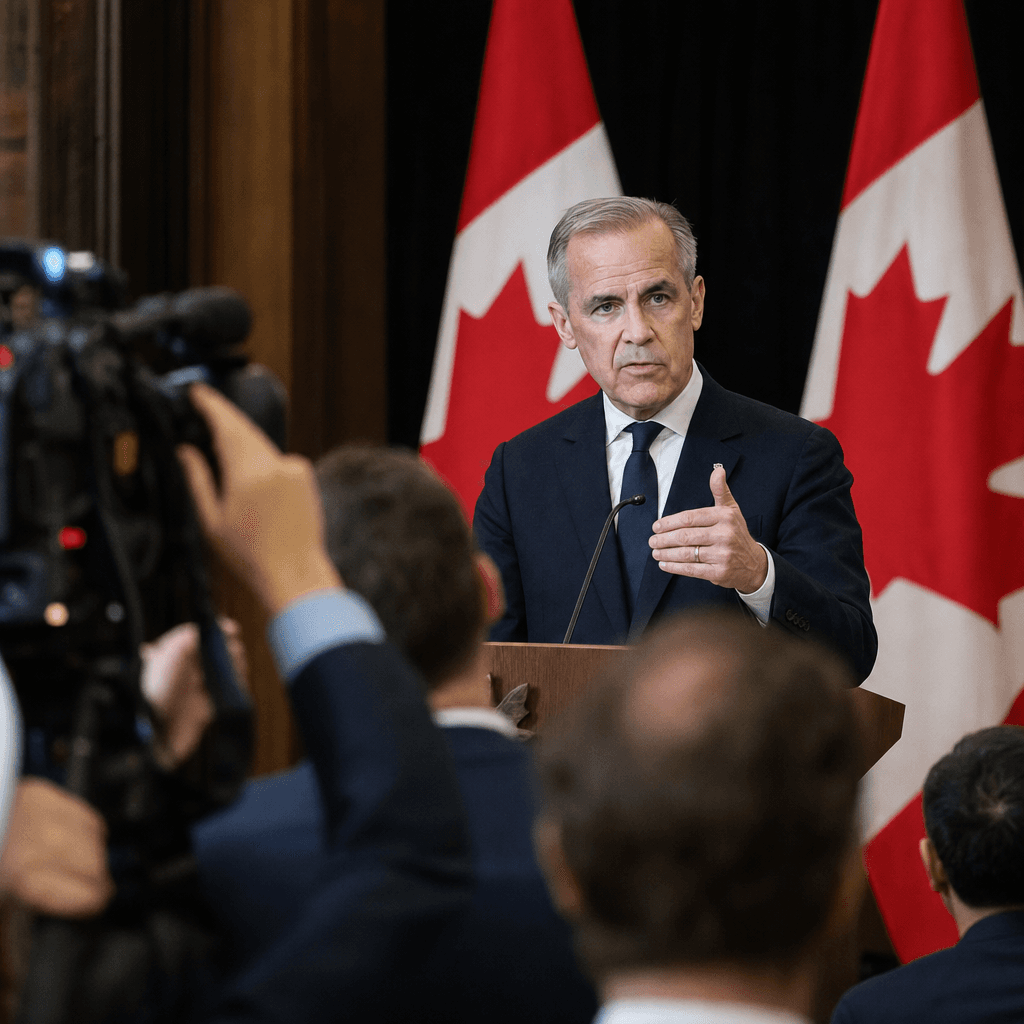
Carney’s Gaza Flotilla Rebuke Raises Pressure, Not Costs
Ottawa condemned Israel’s treatment of flotilla activists but stopped short of new sanctions, signaling pressure without rupture.
Canada’s real leverage is diplomatic, not punitive. Prime Minister Mark Carney called Israel’s treatment of activists aboard the Gaza-bound aid flotilla “appalling” and demanded an independent investigation, but his office did not announce fresh measures on Monday, according to Al Jazeera. That matters: Ottawa is trying to show it will defend Canadian citizens and push back on public humiliation of detainees, while avoiding a break with Israel that would be harder to reverse.
Ottawa is choosing pressure points, not escalation
Carney’s language is unusually sharp for a G7 leader dealing with a close ally, but the policy response is calibrated. Alongside the statement, Foreign Minister Anita Anand said she had pressed Israel’s foreign minister for evidence on the treatment of Canadians and complained that denying consular access violated the Vienna Convention, Al Jazeera. Canada is also not starting from zero: Reuters reporting carried by
Al-Monitor said Ottawa had already sanctioned far-right National Security Minister Itamar Ben-Gvir with asset freezes and a travel ban.
That combination tells you what Ottawa wants. It is defending Canadian nationals, signaling that Ben-Gvir has become a diplomatic liability, and keeping the door open to broader criticism of Israel without paying the cost of a full policy rupture. For Carney, this is also domestic management: he can show Canada is not passive on Gaza while staying inside the bounds of alliance politics. For more on the broader diplomatic frame, see International.
The flotilla turned a Gaza fight into a messaging fight
The flotilla itself is only partly about aid. More importantly, it is a publicity vehicle designed to force a confrontation over Israel’s blockade of Gaza. BBC News reported that activists alleged abuse in detention, while Israel’s prison service denied the claims and said detainees were held in accordance with the law.
BBC News also reported that Israel’s own political leadership split over Ben-Gvir’s taunting video: Prime Minister Benjamin Netanyahu said the minister’s conduct was “not in line with Israel’s values,” even as Israel defended the blockade and called the flotilla a provocation.
That split is the key political fact. Ben-Gvir gains with his domestic base by performing defiance; Netanyahu loses internationally because the footage makes Israel look reckless and punitive rather than security-minded. Carney and other foreign leaders are exploiting that gap. By focusing on the treatment of detainees rather than the legality of the flotilla’s mission, they can condemn the optics of abuse without endorsing the activists’ strategy.
What to watch next
The next decision point is whether Ottawa follows rhetoric with a harder move: a second round of sanctions, a formal protest over consular access, or coordination with European capitals that have already summoned Israeli envoys, Al-Monitor and
BBC News reported. Watch for any Canadian evidence package on mistreatment, and for whether Israel quietly disciplines Ben-Gvir again or lets the episode fade. If Ottawa stops at condemnation, the message is clear: Canada wants to raise the diplomatic price for abusive treatment, but not yet the strategic cost of confrontation.
Discover more

Global Politics
US Seizes Iranian Ship, Tensions Surge
The US seizure of the Iranian ship Touska highlights a shift in control over the Strait of Hormuz, favoring Iran's strategic position.

Conflict & Security
Drone Warfare Killing Aid Workers at Unprec
Over 1,000 humanitarian workers killed in three years as cheap armed drones collapse legal protections. Gaza, Sudan, Ukraine, and DRC see deliberate targeting of aid convoys and hospitals with zero prosecutions.

Global
World Normalises Taliban as Afghan Women Eras
UN data shows Afghan women erased from public life as Russia recognises the Taliban, EU hosts officials in Brussels, and ICC warrants for gender persecution go unenforced.
Conflict & Security
West Africa Food Crisis: Three Shocks in 2026
Conflict, climate extremes, and the Strait of Hormuz closure drive a severe food crisis in West and Central Africa, with fertilizer prices surging 80% and millions displaced.

