Carlo Petrini’s death impacts Slow Food
Petrini's legacy tests Slow Food's political influence.
Model Diplomat3 min readEurope
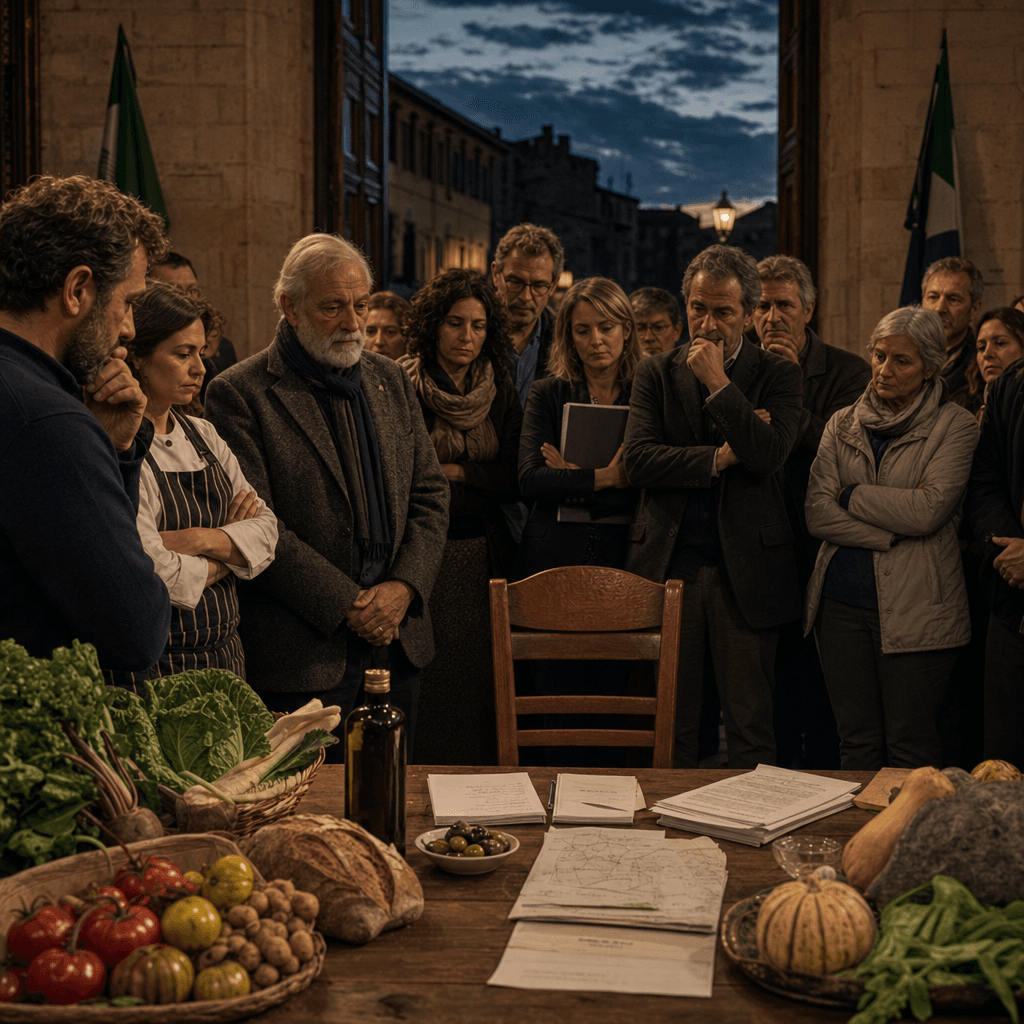
Carlo Petrini’s death leaves Slow Food without its political edge
Petrini turned a protest against McDonald’s into a global movement; his death tests whether Slow Food can still shape policy, not just culture.
Carlo Petrini, the founder and long-time president of Slow Food, has died aged 76 in Bra, Italy, the movement said, ending the career of the man who made food a political language for farmers, chefs and environmentalists far beyond Italy (BBC;
The Guardian). The core power he built was simple: he gave local food systems a transnational cause. What began in 1986 as resistance to a McDonald’s opening near Rome’s Spanish Steps became an organisation that the Guardian says now spans more than 160 countries, with 1,500 local branches and the Ark of Taste catalogue protecting endangered products (
The Guardian).
From culinary protest to political infrastructure
Petrini’s significance was never just gastronomic. The Guardian traces Slow Food back to the Arcigola network and to a 1987 manifesto published in Il Manifesto that set out a challenge to the standardisation of the global agri-food industry (The Guardian). That matters because Petrini understood earlier than most campaigners that food is leverage: it links trade, land use, climate, labour and identity. Once you frame food as a question of sovereignty and justice, you are no longer debating menus; you are debating who controls rural economies.
That is why Slow Food outgrew a lifestyle niche. The BBC notes that Petrini’s work brought him into contact with figures as different as King Charles III and Pope Francis, which gave the movement unusual access at the top of the institutional food chain (BBC). In practice, that elite validation helped transform a countercultural idea into a durable international network.
Who wins when the founder is gone
Petrini’s death creates different openings for different actors. Local producers and biodiversity advocates lose their most recognisable advocate, the man who could translate their complaints into public authority. Slow Food itself keeps the brand and the machinery: the BBC says it continues to operate in more than 160 countries, while the Guardian says Petrini stepped aside in 2022 and was succeeded by Ugandan agronomist Edward Mukiibi (BBC;
The Guardian). That succession matters. A movement built around a founder can either professionalise or flatten; it rarely does both at once.
The beneficiaries of Petrini’s absence are the same actors he spent decades boxing in: industrial agriculture, large food retailers and the standardised supply chains that make scale more important than provenance. They do not need to defeat Slow Food to win; they only need it to become a heritage brand rather than a political force. That risk is real because Petrini’s personal authority fused culture, ideology and network-building in a way no secretariat can easily replicate.
What to watch next
The next test is whether Mukiibi and Slow Food’s leadership can keep the movement in the policy debate on biodiversity, climate resilience and rural livelihoods, rather than leaving it in the safer territory of festivals and food fairs (The Guardian). Watch for the first major post-Petrini institutional move: a congress, manifesto update or alliance with governments and UN food bodies. If Slow Food can convert mourning into agenda-setting, Petrini’s leverage survives. If not, the movement becomes part of the cultural background it once challenged.
Discover more
US Politics
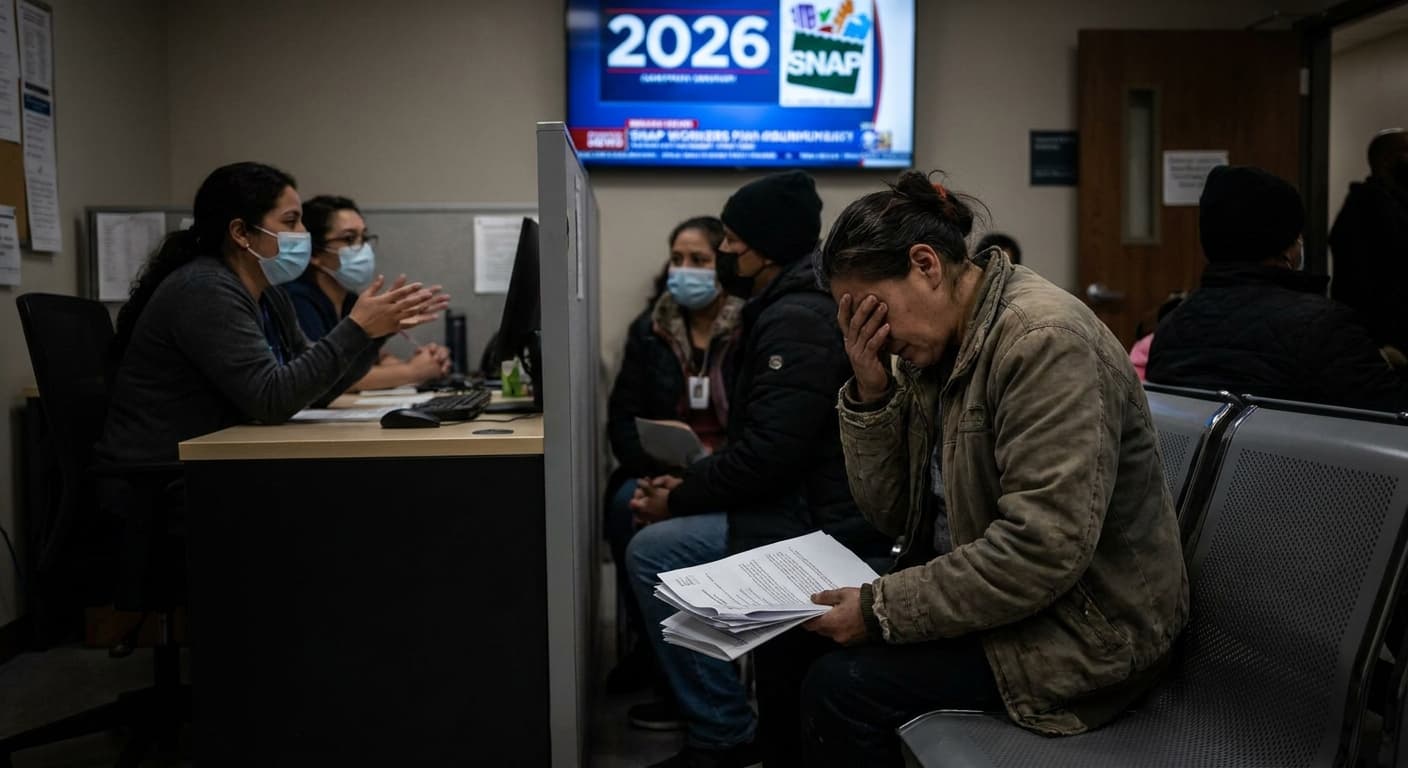
SNAP Food Assistance Faces Legal Challenges
In 2026, SNAP faces stricter eligibility rules and mounting legal challenges, threatening food assistance for the millions of Americans who rely on the program.
India
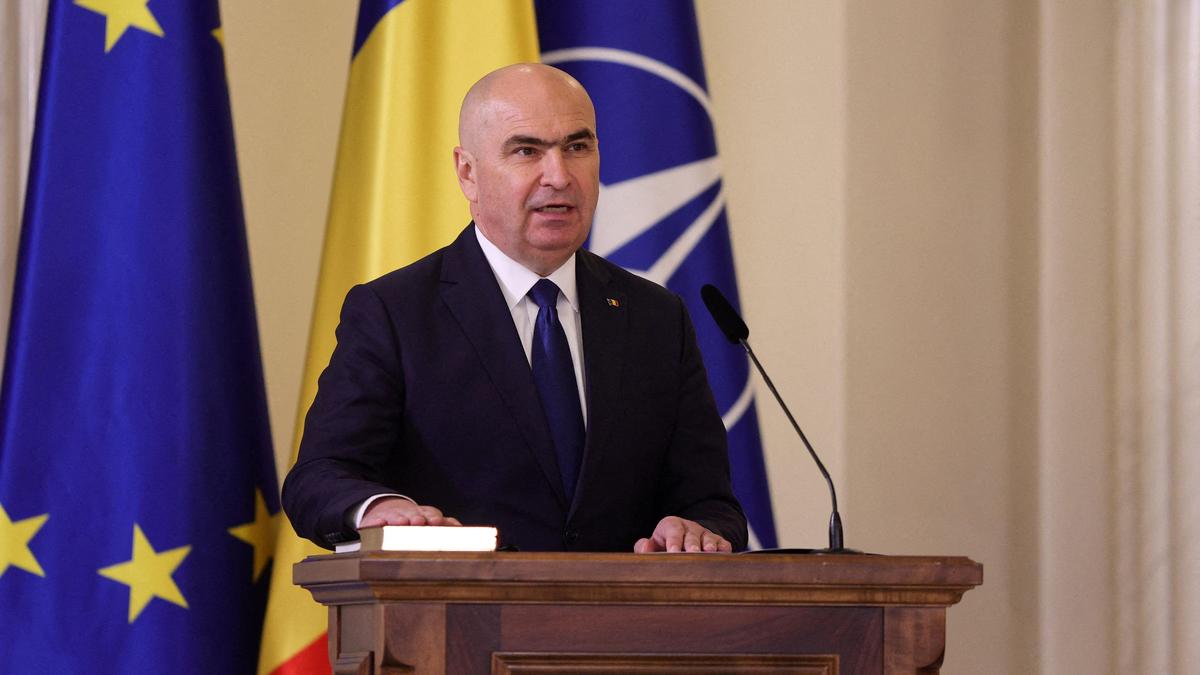
Romanian Coalition Party Demands PM Resign
Romania's Social Democrats withdrew from coalition, joining far-right AUR to topple PM Bolojan, risking €10 billion in EU funds by August 2026.

Conflict & Security
Drone Warfare Killing Aid Workers at Unprec
Over 1,000 humanitarian workers killed in three years as cheap armed drones collapse legal protections. Gaza, Sudan, Ukraine, and DRC see deliberate targeting of aid convoys and hospitals with zero prosecutions.

Global
World Normalises Taliban as Afghan Women Eras
UN data shows Afghan women erased from public life as Russia recognises the Taliban, EU hosts officials in Brussels, and ICC warrants for gender persecution go unenforced.