Burkina Faso Junta's Press Crackdown Intensif
Authorities accused of secret detention of journalists.
Model Diplomat2 min readAfrica
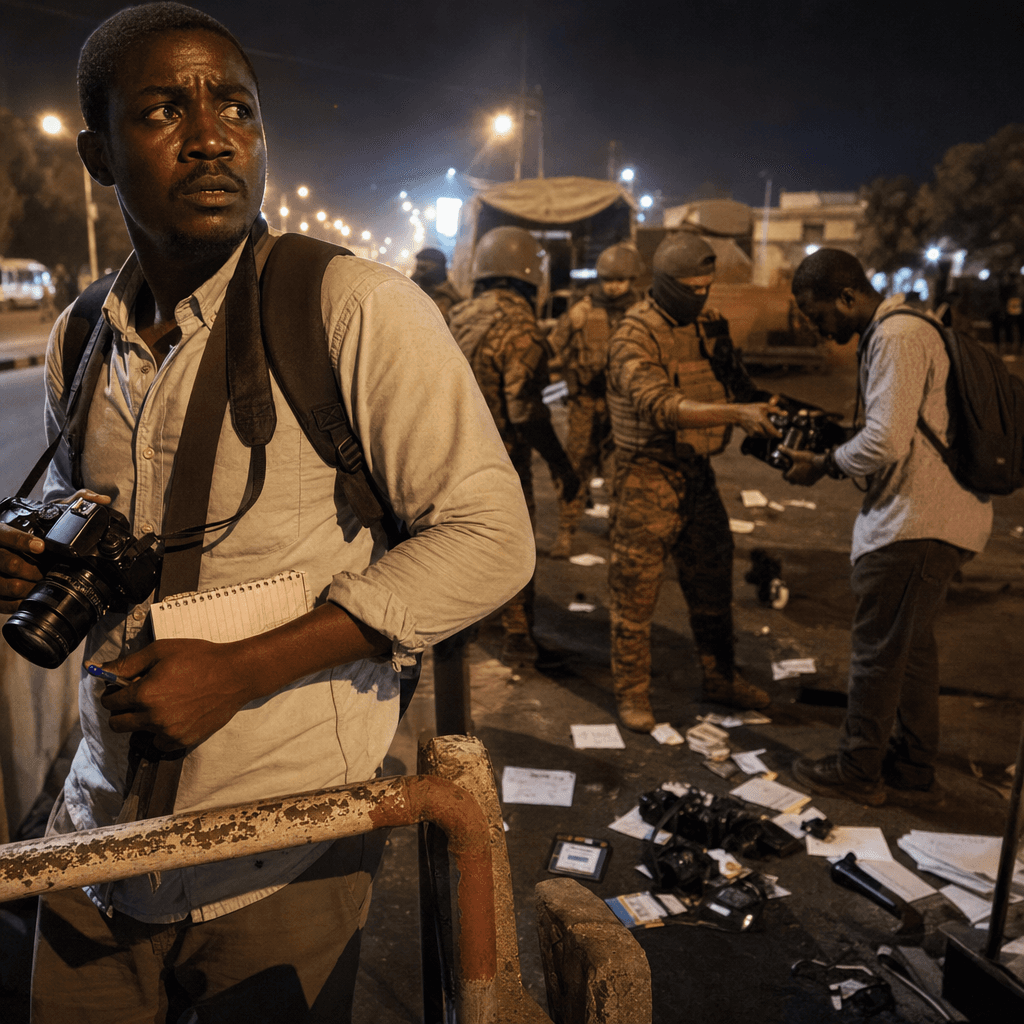
Burkina Faso’s Junta Turns the Press Into a Target
Secret detention allegations suggest Ibrahim Traoré’s government is moving from harassment to coercion, to seal off war reporting.
Burkina Faso’s authorities are now accused of secretly holding an investigative journalist, a step that would push the country’s press crackdown from censorship into disappearance-style intimidation. AP News The allegation fits a pattern: since the 2022 coup, the junta has expelled correspondents, suspended outlets including France 24, RFI, DW and TV5 Monde, and treated coverage of army abuses as a security threat.
BBC
DW
France 24
Why this matters
Traoré’s junta has the leverage because it controls the security services, the courts and the regulatory machinery; it is using that power to manage the war narrative and reduce scrutiny of battlefield failures and alleged abuses. DW
BBC Rights groups say the method is broader than simple censorship. BBC reporting and rights monitors have documented journalists, activists and opposition figures being conscripted under emergency rules, with some later acknowledged by authorities to have been drafted into military service.
BBC
DW
That matters because the government is fighting an entrenched Islamist insurgency, but it also appears determined to monopolize the public account of that war. Human Rights Watch has accused Burkinabè forces of killing at least 223 villagers in February 2024; the junta rejected the allegations, and the media clampdown intensified around that reporting. DW
Mail & Guardian The result is a narrower information space in which local journalists increasingly wait for official communiqués before publishing.
DW
Who benefits, who loses
The immediate winner is the security state, which gains room to suppress leaks, deter witnesses and control domestic anger. The losers are Burkinabè reporters and civil society groups, who face higher personal costs for documenting what happens in the field. BBC
DW The junta also weakens its own case abroad: the more it criminalizes scrutiny, the harder it becomes to rebut allegations of abuses with credible evidence.
For the broader Sahel context, see Global Politics.
What to watch next
The key decision point is whether authorities acknowledge where the journalist is being held, give access to lawyers and family, or keep the detention off-book. If they stay consistent with earlier cases, expect silence first and a legal justification later. Watch for any move by Reporters Without Borders, Human Rights Watch, or the Burkinabè communications regulator in the next 48 hours.
Discover more

Global Politics
US Seizes Iranian Ship, Tensions Surge
The US seizure of the Iranian ship Touska highlights a shift in control over the Strait of Hormuz, favoring Iran's strategic position.

Conflict & Security
Drone Warfare Killing Aid Workers at Unprec
Over 1,000 humanitarian workers killed in three years as cheap armed drones collapse legal protections. Gaza, Sudan, Ukraine, and DRC see deliberate targeting of aid convoys and hospitals with zero prosecutions.

Global
World Normalises Taliban as Afghan Women Eras
UN data shows Afghan women erased from public life as Russia recognises the Taliban, EU hosts officials in Brussels, and ICC warrants for gender persecution go unenforced.
Conflict & Security
West Africa Food Crisis: Three Shocks in 2026
Conflict, climate extremes, and the Strait of Hormuz closure drive a severe food crisis in West and Central Africa, with fertilizer prices surging 80% and millions displaced.