The Lula Doctrine: Three Years In
Brazil's foreign policy under Lula's leadership evaluated.
Model Diplomat3 min readamericas
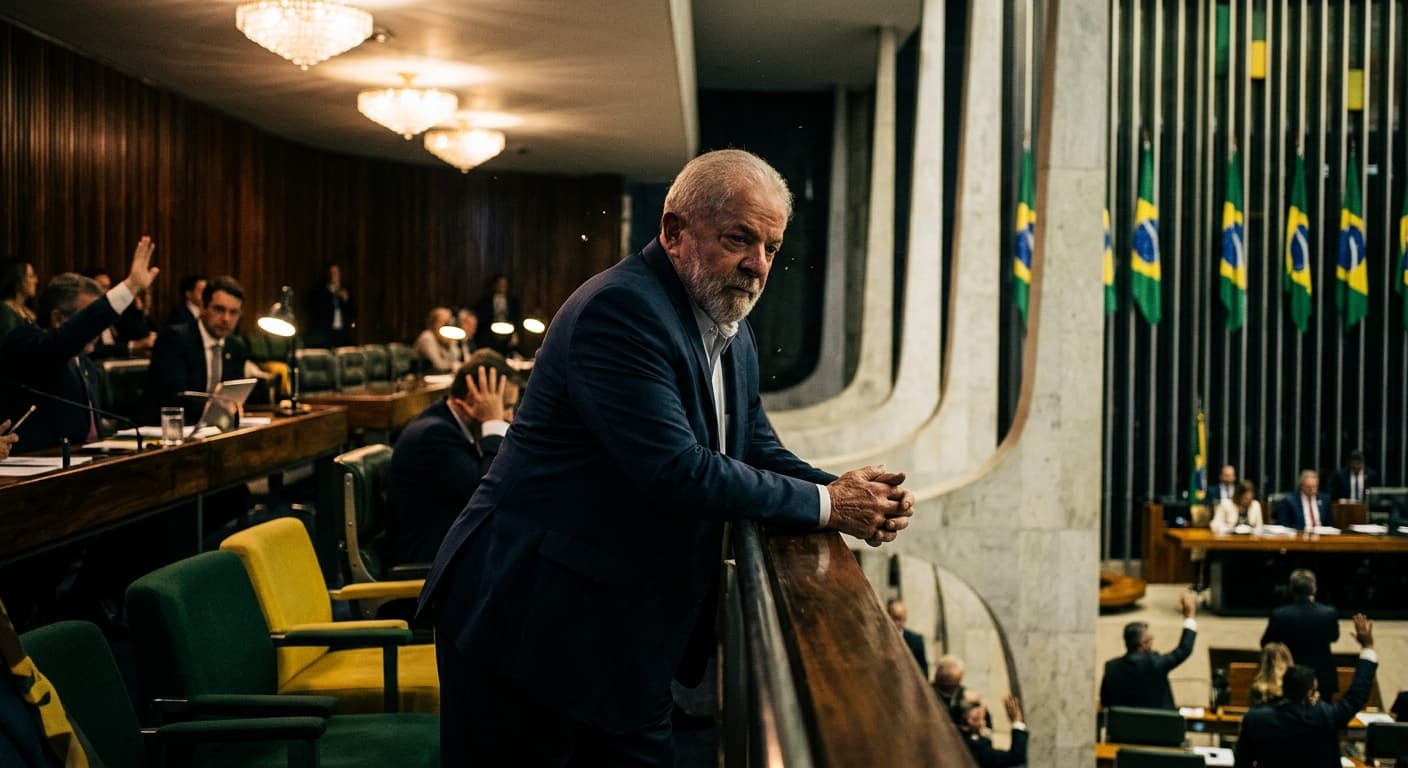
The Lula Doctrine at Three Years: Vieira's Blueprint and What It Actually Delivered
Brazil's foreign minister laid out a vision of "active nonalignment" in 2023. The record since reveals clear winners, costly miscalculations, and one structural limit Brasília still cannot surmount.
When Foreign Minister Mauro Vieira sat down with Americas Quarterly in March 2023 to define the "Lula Doctrine," he offered a deceptively simple formula: restore Brazil's presence everywhere, talk to everyone, and reject "automatic alignments." Three years later, that doctrine has been stress-tested across a US-China trade war, the Ukraine conflict, and Brasília's own 2025 BRICS presidency — and the balance sheet is mixed.
Vieira's core argument was that the Bolsonaro years had broken Brazil's diplomatic tradition of ideological openness. "In the past four years, Brazil halted its diplomatic tradition of being a country that is open to all interlocutors, regardless of their ideological positions," he told AQ. The remedy was a foreign policy guided by "national interest within a framework of multilateralism, of international law." This was not nonalignment of the Cold War variety, but what analysts at CSIS termed "active nonalignment" — engaging both Washington and Beijing while refusing to be drawn into their strategic competition as a subordinate player.
The balancing act: who gained, who paid
The doctrine's clearest beneficiary has been China. Vieira acknowledged in the interview that China had transformed from a growing economy into "a superpower, without a doubt" and Brazil's largest trading partner. Lula's April 2023 state visit to Beijing — coming just two months after seeing Biden in Washington — operationalized the doctrine on schedule. Al Jazeera reported at the time that the trip yielded agreements spanning satellite technology, yuan clearing arrangements, and investment pledges. Beijing got exactly what it wanted: a major Global South democracy treating it as a peer, not a threat.
Washington, by contrast, received rhetorical warmth but limited strategic alignment. The White House's sharp reaction to Lula's 2023 suggestion that the US was "encouraging" the Ukraine war — with NSC spokesman John Kirby accusing Lula of "parroting Russian and Chinese propaganda," BBC reported — marked the low point of a relationship that Vieira had described as entering its 200th year of diplomatic ties. The Biden and subsequent administrations have since recalibrated expectations, focusing cooperation on climate and democracy while accepting that Brazil will not join an anti-Beijing coalition.
On Ukraine, the doctrine's limits were starkest. Vieira insisted Brazil could be a peace broker, and Lula's "peace club" proposal was floated with Moscow and Beijing. But as Foreign Affairs noted, "Lula's undeniable qualities as a negotiator may come up against the hard limits of incompatible Russian and Ukrainian interests." That prediction held: the joint Brazil-China peace plan of 2024 was rejected by Kyiv, and by mid-2025 Lula was reduced to telling Putin — during a stopover in Moscow — to "go to Istanbul and negotiate, dammit," as
Al Jazeera reported. The mediation ambition gave Brazil a seat at the table; it did not give it leverage.
The multilateral test
Vieira's diagnosis of "weakened" global governance — he cited a "paralyzed" WTO and a Security Council "no longer reflected in today's reality" — found its arena in the 2025 BRICS summit in Rio de Janeiro. Brazil used its presidency to push climate finance, AI governance, and health cooperation onto the agenda, but the April foreign ministers' meeting failed to issue a joint statement over UN Security Council reform disputes, as CFR documented. The bloc's expansion to include Iran — which Brazil and India had opposed — shifted internal dynamics in ways Vieira's 2023 vision of open dialogue did not anticipate.
Chatham House noted that Brasília has since worked behind the scenes to moderate BRICS declarations and prevent overtly anti-Western language, a role that requires far more friction management than the doctrine's sunny rhetoric suggested.
What to watch
The Mercosur-EU trade deal remains the acid test. Vieira pointed to physical integration projects with Argentina, Uruguay, and Paraguay as proof the doctrine was "not just rhetoric," but the larger prize — finalizing the EU agreement — still hangs on European agricultural protectionism and Brazilian environmental commitments. A breakthrough or breakdown in the next 12 months will reveal whether the Lula Doctrine can convert diplomatic hyperactivity into concrete economic gains, or whether it remains, as the Economist put it in 2023, "hyperactive, ambitious and naive."
Discover more
Global Politics
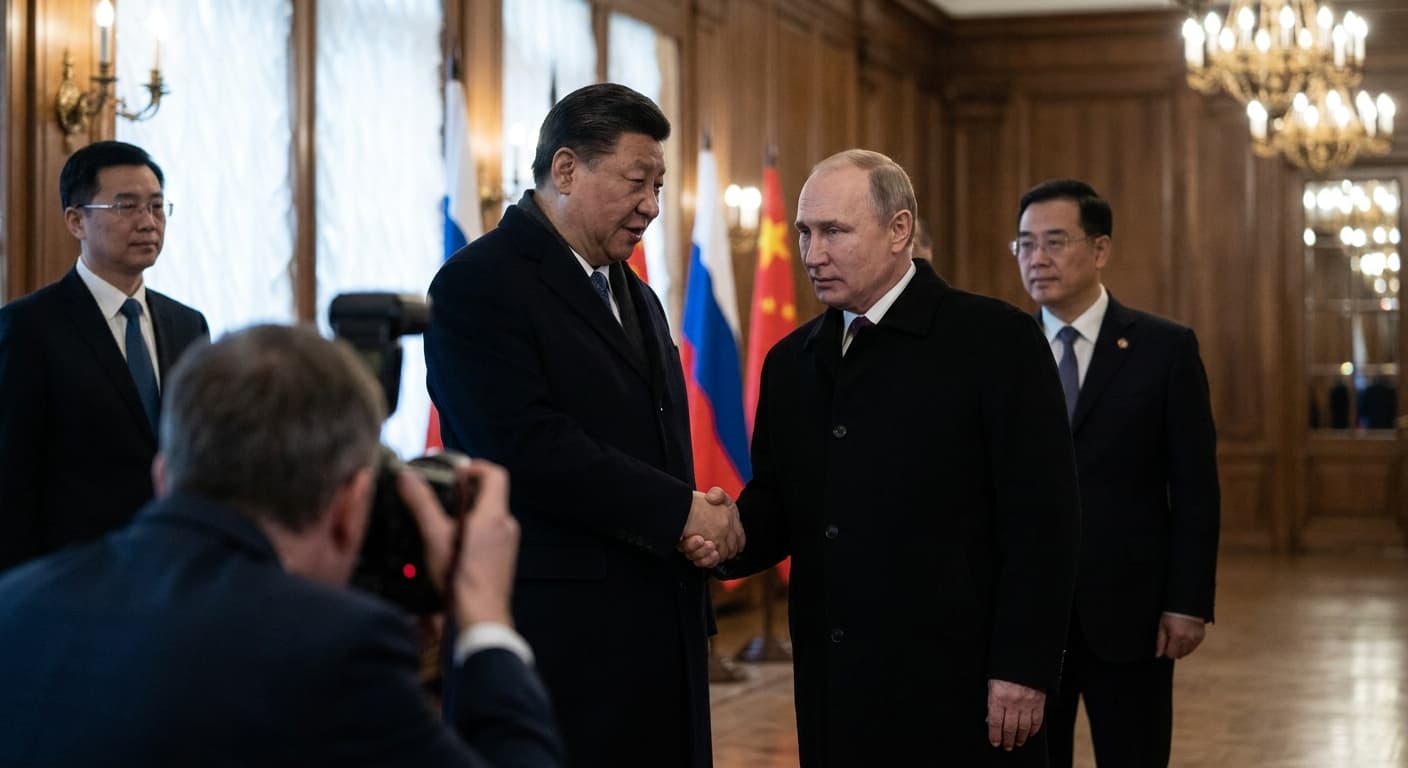
Xi Jinping Calls China-Russia Ties 'Precious'
Xi Jinping's description of China-Russia ties as 'precious' reflects a strategic imbalance, with Beijing dictating terms in the partnership.
India
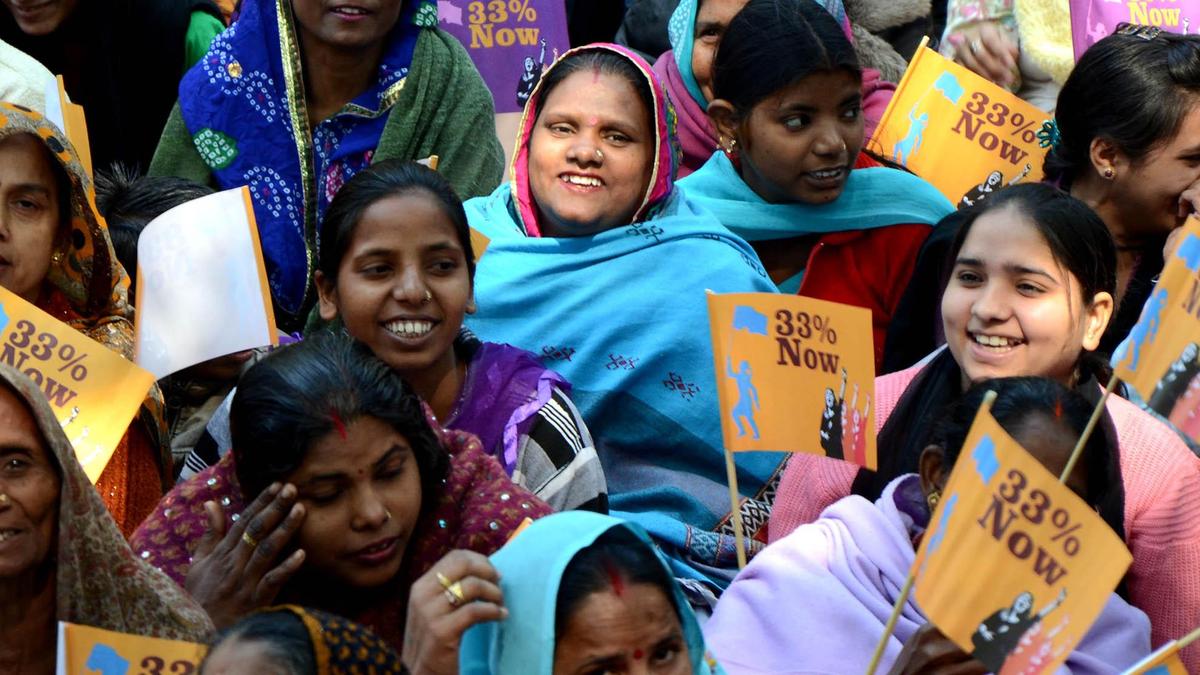
Women's Reservation Bill 2026: A Political Sh
India's Lok Sabha rejected the Women's Reservation Bill, exposing a political maneuver to redraw electoral maps favoring the north over the south.

International Relations
U.S.–Iran Peace Deal
A narrow US-Iran deal on nuclear and regional issues could reshape Middle East diplomacy, offering a pragmatic path forward despite grand bargain obstacles.

Conflict & Security
Drone Warfare Killing Aid Workers at Unprec
Over 1,000 humanitarian workers killed in three years as cheap armed drones collapse legal protections. Gaza, Sudan, Ukraine, and DRC see deliberate targeting of aid convoys and hospitals with zero prosecutions.