BJP's Women's Quota Move in Haryana Explained
Haryana CM pushes women's reservation amid political drama
Model Diplomat3 min readHaryana

Now I have excellent national context. The Haryana special session clearly fits into the broader national drama around the Constitution (131st Amendment) Bill and the BJP's state-level political maneuvering after Parliament's defeat. Let me write the analysis.
BJP Plays Women's Quota Card in Haryana After Parliament Stumbles
Haryana CM Nayab Saini pushes a women's reservation resolution in a boycotted special session — a state-level political play after Modi's national bill collapsed.
CM Nayab Singh Saini convened a special session of the Haryana Legislative Assembly this week to move a resolution in support of women's political reservation — only for the Congress opposition to walk out, leaving the BJP to pass the measure in an empty house. Saini slammed the boycott as political cowardice. Congress called the session political theatre.
The timing is not coincidental.
The National Wreckage This Fills
Ten days earlier, the Constitution (131st Amendment) Bill, 2026 — the Modi government's flagship package linking women's reservation to delimitation and an expansion of the Lok Sabha from 543 to 816 seats — was defeated in the Lok Sabha on April 17, falling short of the required two-thirds majority at 298 votes in favour, 230 against. Parliamentary Affairs Minister Kiren Rijiju called it "a missed opportunity." The government then shelved two related bills, framing them as an inseparable package.
The defeat handed the BJP a political liability heading into future state cycles. Saini's Haryana session is the recalibration: shift the women's quota narrative from Parliament's failure to the states, and force the opposition to be seen opposing it.
Who Benefits, Who Loses
Saini extracts multiple dividends from a single session. A symbolic state-level resolution costs nothing legislatively — it has no binding force — but it repositions the Haryana BJP as the champion of women's representation while Congress provides the visual of walking out. Saini is himself an OBC leader, and the reservation politics here layers onto caste consolidation; Congress, for its part, has demanded a sub-quota for OBC women as the price of support nationally.
Congress loses the frame. By boycotting rather than entering the chamber and opposing on the record, the party hands the BJP a clean attack line — "they won't even show up for women." The party's national leadership, including Rahul Gandhi and Mallikarjun Kharge, had already boxed themselves in by publicly supporting women's reservation in principle while opposing delimitation in practice. A state-level boycott sharpens that contradiction.
The broader INDIA bloc faces a federalism-vs-optics dilemma: opposing delimitation is politically coherent in southern states, where the 2011-census formula punishes states that controlled population growth, but harder to sell in Hindi-belt states like Haryana where the BJP dominates the narrative on social welfare.
What to Watch Next
The real test is whether other BJP-governed states — Uttar Pradesh, Madhya Pradesh, Rajasthan — convene similar symbolic sessions in the next fortnight, turning the state assembly circuit into a referendum-by-proxy on Parliament's failed bill. If they do, the BJP has a coordinated pressure campaign ahead of any future special session. If not, Haryana's move was a local play, not a national strategy.
Watch also for Congress's counter: the party's CWC has been deliberating a joint INDIA bloc strategy on reservation, and a boycott that generates bad headlines may accelerate that internal reckoning. The next signal comes from Kharge's scheduled meeting with opposition leaders — if he proposes a unified state-level counter-resolution format, the BJP's framing advantage narrows fast.
For more on the politics shaping India's electoral landscape, see India and
International Politics at Diplomat Briefing.
Discover more
India
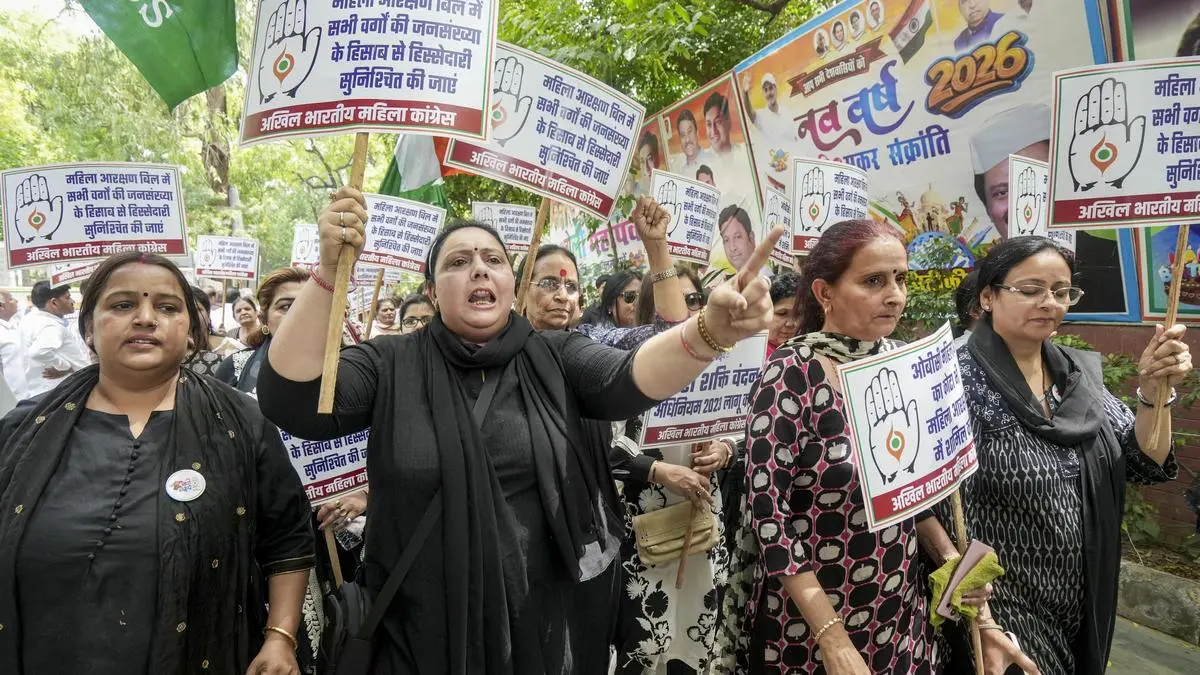
BJP's Misunderstanding of Women's Quota Needs
The BJP's linking of the Women Reservation Bill to delimitation risks delaying women's empowerment in India, misreading the aspirations of female voters.
India
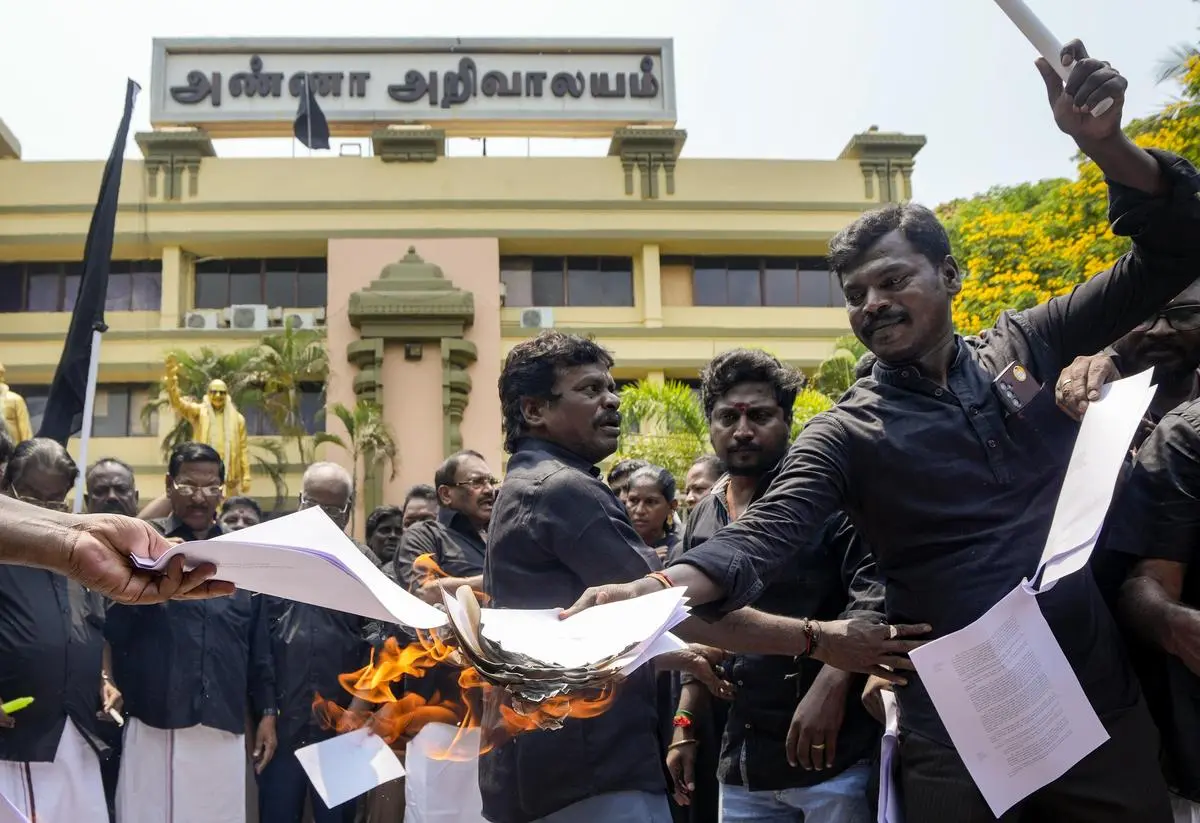
Women’s Reservation Bill 2026
The Constitution (131st Amendment) Bill, 2026 was defeated in Lok Sabha, revealing deeper political conflicts over women's reservation and delimitation.
India
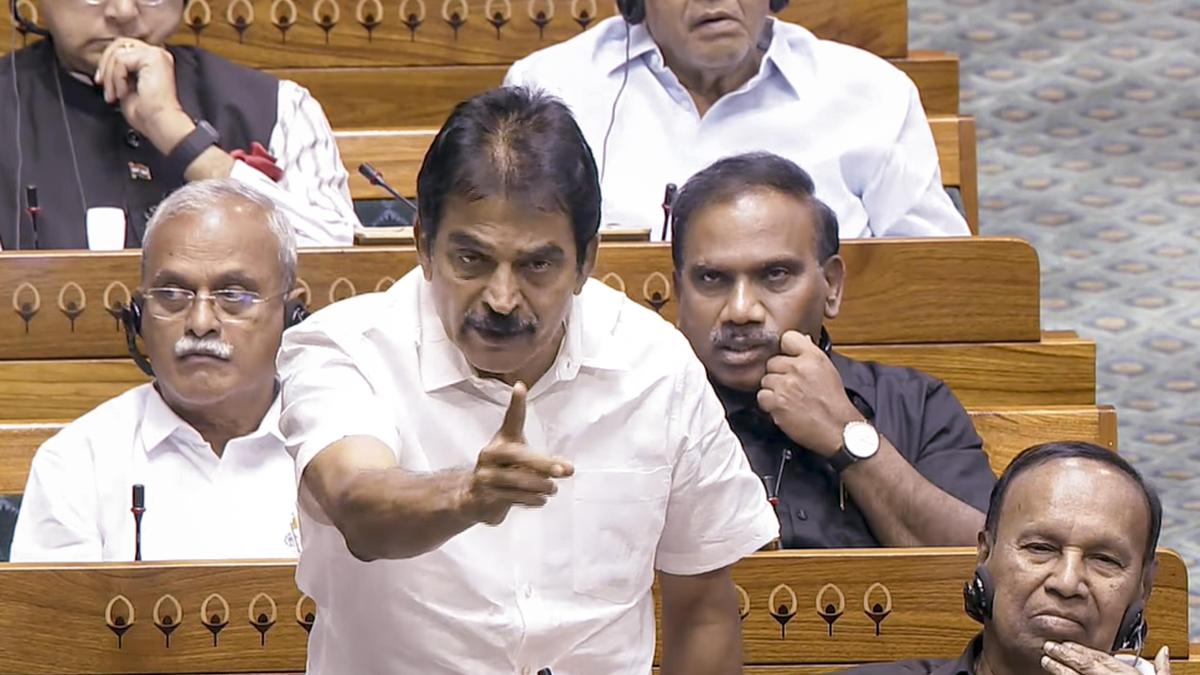
BJP's Delimitation Strategy
Congress leader K.C. Venugopal claims the BJP uses women's reservation to advance delimitation, raising fears over electoral fairness ahead of the 2029 polls.

Conflict & Security
Drone Warfare Killing Aid Workers at Unprec
Over 1,000 humanitarian workers killed in three years as cheap armed drones collapse legal protections. Gaza, Sudan, Ukraine, and DRC see deliberate targeting of aid convoys and hospitals with zero prosecutions.