BJP’s West Bengal Sweep Forces Rethink
BJP's win reshapes Indian political landscape and challenges Opposition.
Model Diplomat3 min readAsia
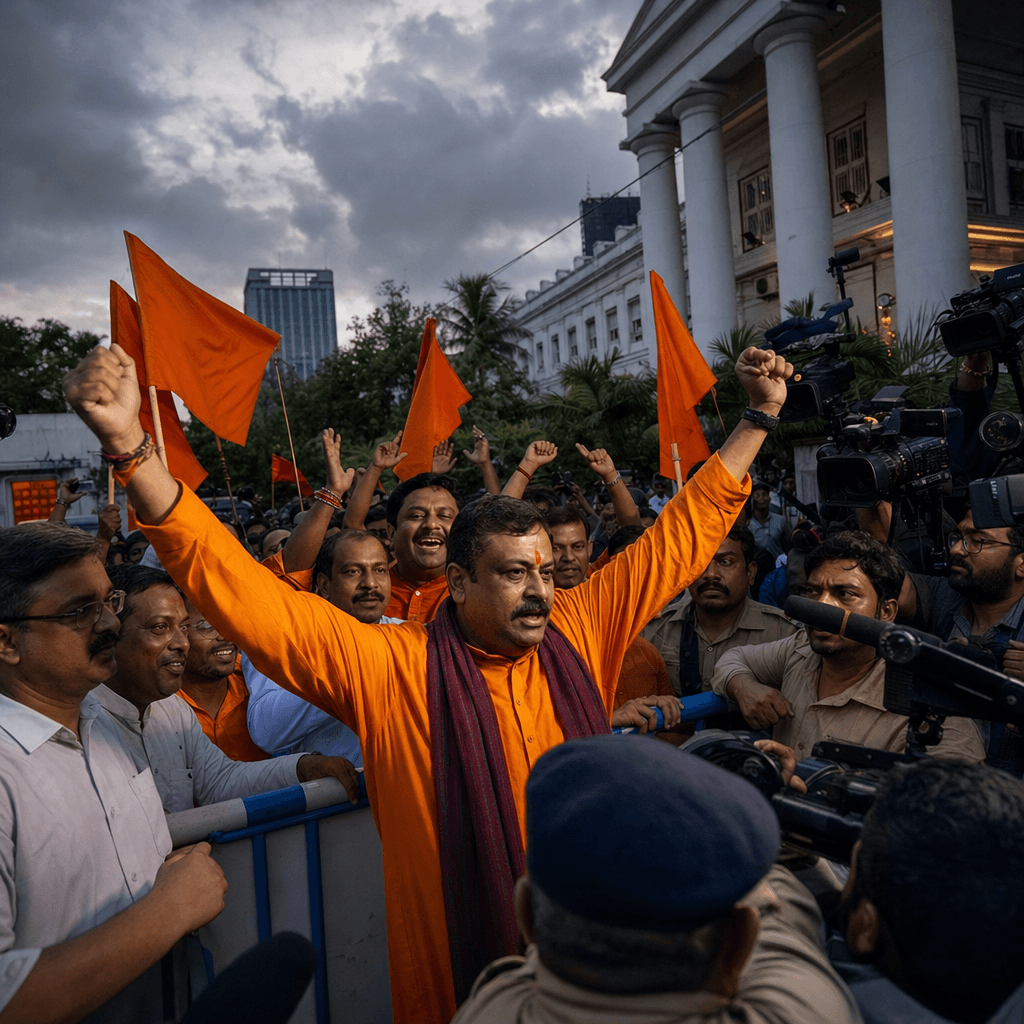
BJP’s West Bengal Sweep Forces an Opposition Rethink
The Bengal result has given the BJP leverage over the national agenda; the Opposition now has to answer politics, not just blame procedure.
The West Bengal verdict has done more than flip a state government. It has handed the BJP a stronger claim to define the terms of Indian politics, while leaving Mamata Banerjee’s Trinamool Congress and the wider Opposition scrambling for a response that goes beyond grievance. The BJP won 206 of 294 seats, its first-ever victory in the state, while Banerjee lost her Bhabanipur seat to Suvendu Adhikari by more than 15,000 votes, according to CNA. Vandita Mishra’s argument in
The Indian Express is sharper: the Opposition is in danger of treating Hindu consolidation, anti-incumbency and the voter-roll row as fixed laws, instead of political problems that require an answer.
The BJP has turned a state win into national leverage
This matters because Bengal was one of the last major states where the BJP could still be framed as an outsider force rather than a governing machine. Winning it gives Narendra Modi’s party a psychological and organizational prize: it can now point to dominance in a state long considered hostile territory, and use that to deepen the sense that the BJP is the default national power. CNA reported that the campaign leaned heavily on themes of illegal immigration from Bangladesh and the weak local economy, while
The Indian Express says the post-result debate has swung between “Hindu consolidation,” anti-incumbency and the Special Intensive Revision, or SIR, of electoral rolls.
That mix is politically useful for the BJP. It lets the party present the win as both a governance verdict and an identity verdict, which is a harder combination for opponents to attack. If the Opposition reduces the result to one technical issue — voter deletions, alleged bias, or administrative distortion — it risks conceding the larger terrain on which the BJP is now operating: culture, identity and state capacity. For readers following India, the key point is that Bengal has become less a regional upset than a test case for how the BJP converts state power into national narrative.
The Opposition’s bigger problem is political, not just procedural
Mishra’s central warning is that the Opposition has been weak not only in organization, but in interpretation. The Indian Express says about 27 lakh voters in the “under adjudication” category were deleted from the rolls and not given time to appeal, but also notes that those deletions did not obviously decide the result. That is the uncomfortable part for the Opposition: even where the process is contested, it still has to explain why enough voters accepted the BJP’s pitch.
The more serious strategic failure is that secularism has become defensive language rather than a governing frame. Mishra argues the Opposition needs a new articulation of pluralism — one that acknowledges religious difference without either endorsing majoritarian politics or sounding paralysed by it. That is the core opening the BJP has exploited: it steps into an ideological vacuum and then claims the vacuum is proof of its own inevitability. The result is not just the defeat of the TMC; it is the shrinking of the Opposition’s political vocabulary.
What to watch next
The next test is whether the Opposition can stop talking like a victim of procedure and start behaving like a rival power. Watch for three things: whether the Congress and regional parties can settle on a common line on voter-roll revisions, whether Banerjee can rebuild her organization after a humiliating loss, and whether the BJP now uses Bengal to tighten its hold on the national agenda ahead of the next round of state battles. The real question after Bengal is not who won one state. It is whether the Opposition can still define an alternative before the BJP’s version of normal becomes permanent.
Discover more
India
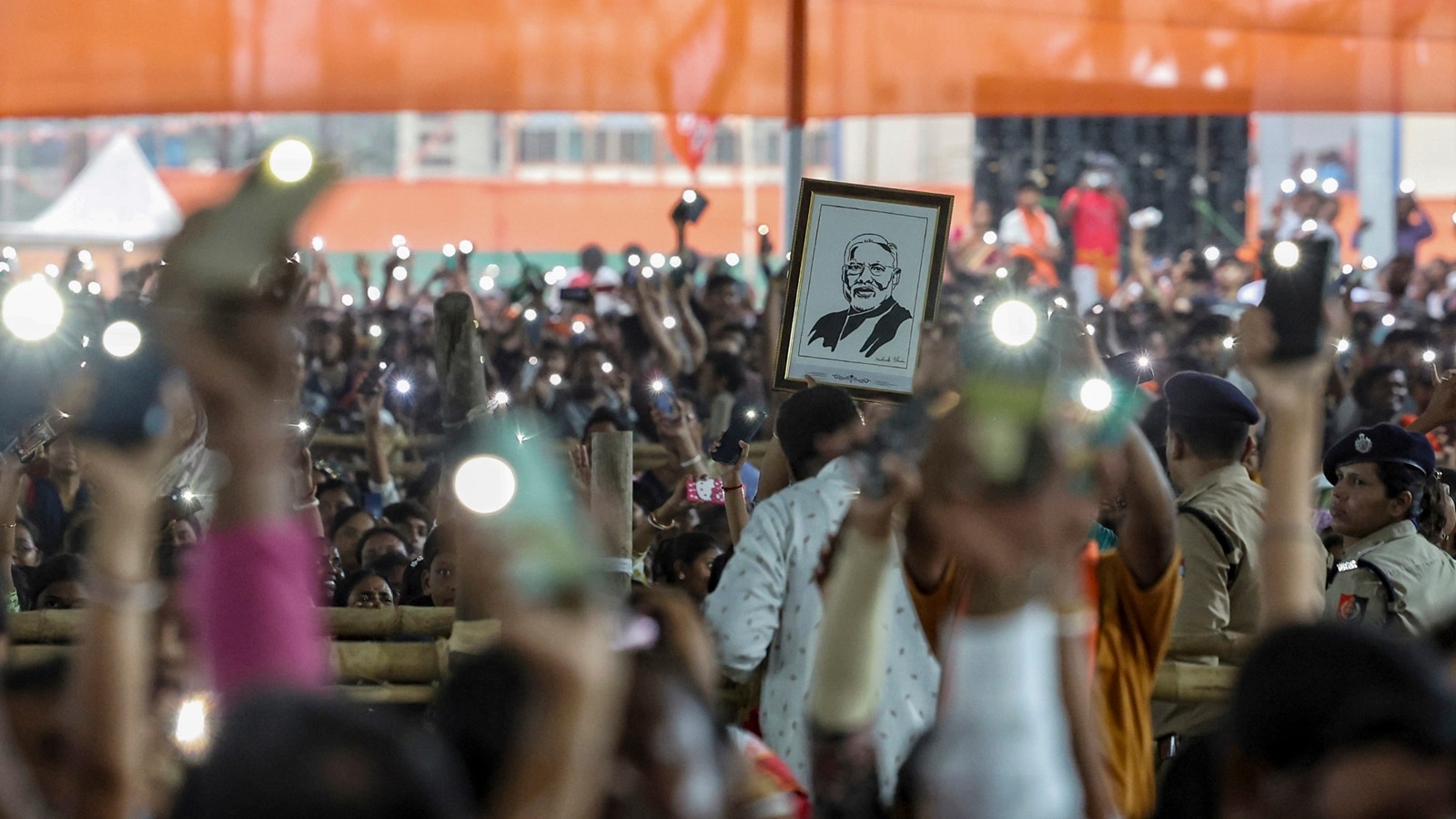
Modi's Women’s Convention in Varanasi
Modi's Varanasi rally frames women's reservation as a national mission, targeting the 2027 Uttar Pradesh elections with a strategic narrative.
India
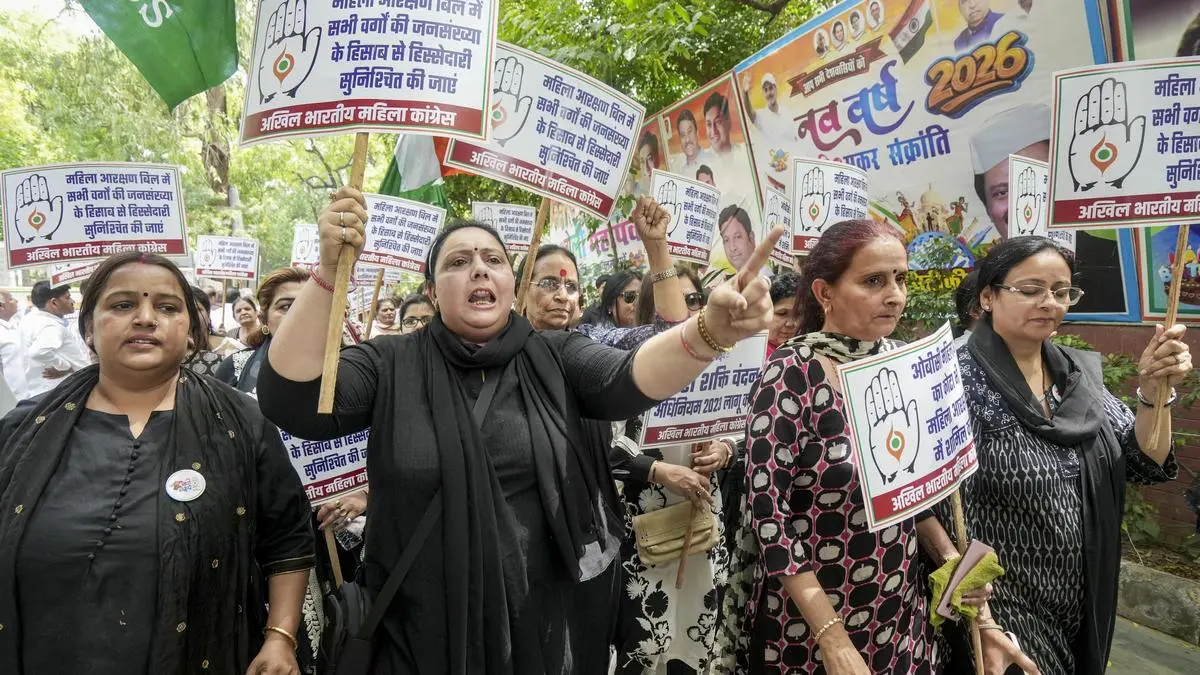
BJP's Misunderstanding of Women's Quota Needs
The BJP's linking of the Women Reservation Bill to delimitation risks delaying women's empowerment in India, misreading the aspirations of female voters.

Economics
Fed's Amex AML order puts correspondent banking on notice
Federal Reserve's Amex AML order requires board-level controls and a 90-day plan; OCC fined the bank $350 million over enterprise-wide deficiencies.
Conflict & Security
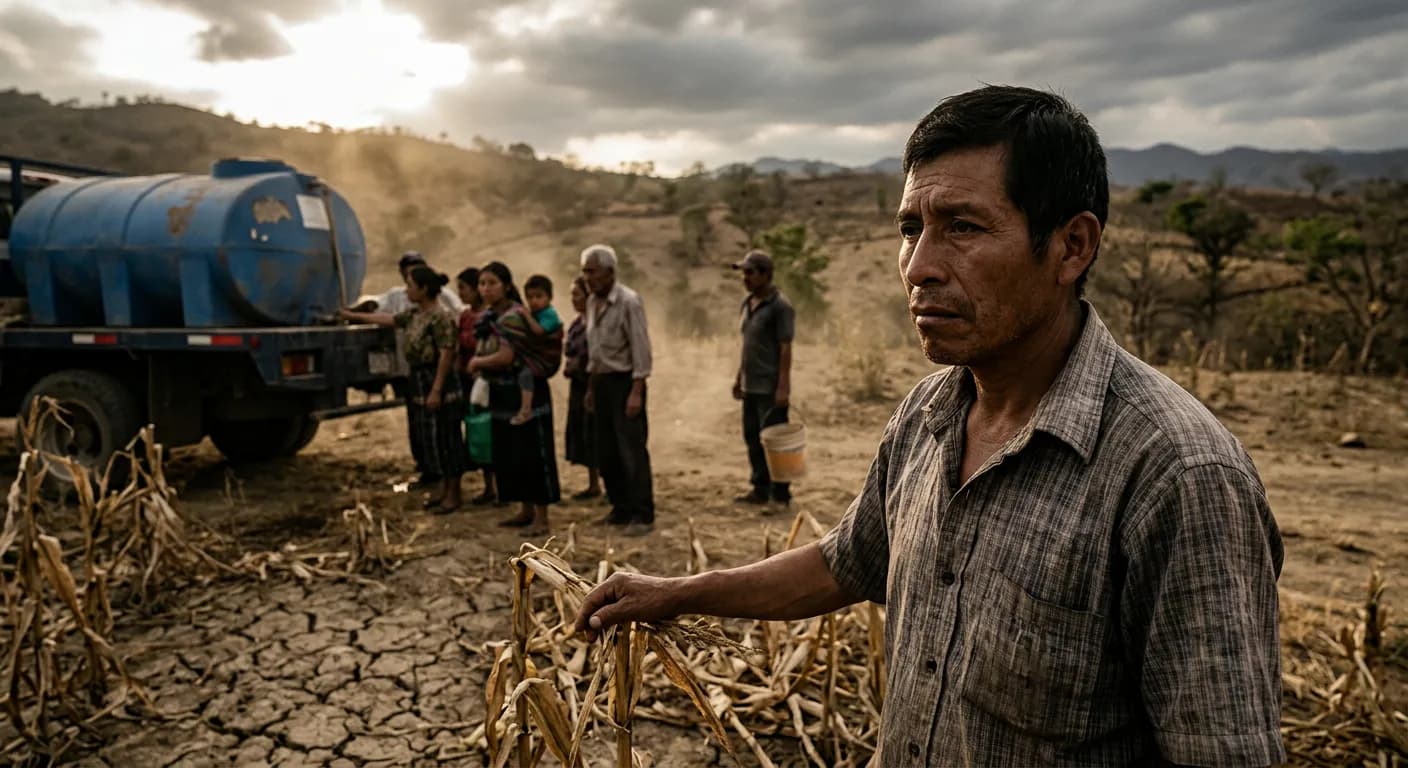
Guatemala: El Niño 2026–27 becomes regional security test
UNICEF: 25.8M children face El Niño risks in Latin America; Guatemala maps 188 municipalities for drought and food insecurity amid regional security test.