Modi's UCC and Infrastructure Push Gains
Modi leverages state election wins for civil law and infrastructure reforms.
Model Diplomat2 min readAsia

BJP Poll Gains Give Modi Room on UCC and Infrastructure
Exit-poll gains in April state races would strengthen Modi’s hand to expand Uniform Civil Code pilots and Centre-backed infrastructure politics.
Modi is trying to turn state elections into governing leverage. Reuters reported on May 4 that the BJP-led coalition was poised to win two of the four states that voted in April and was on track to capture West Bengal for the first time, a result that would widen the party’s state footprint ahead of its next reform push on civil law and infrastructure. Reuters
Why this expands Modi’s leverage
A Bengal breakthrough matters because it would weaken Mamata Banerjee’s Trinamool Congress in one of the few big states where the BJP has struggled to convert vote share into power, while reinforcing Modi’s claim that the party can still expand after losing its outright parliamentary majority in 2024. Reuters says the party’s gains point directly to renewed movement on civil law reform and infrastructure, not simply state-level coalition arithmetic. Reuters
That logic is visible across the BJP’s 2026 state campaigns. In West Bengal, the party’s manifesto explicitly promised a Uniform Civil Code, and Amit Shah tied the campaign to law-and-order and national integration themes that the BJP has used to nationalize state contests. The Hindu
The Hindu For a party that increasingly treats state wins as policy platforms, that is the real prize. More on that broader pattern is visible in Diplomat’s
India coverage.
UCC and infrastructure are the same political play
The BJP already has a live state template for civil-law reform. Uttarakhand became the first Indian state to implement a Uniform Civil Code, with Chief Minister Pushkar Singh Dhami announcing the move in January 2026, and Modi said in April that “positive discussions” were underway on both UCC and “One Nation, One Election.” The Hindu
The Hindu
Infrastructure uses the same mechanism: align state governments with New Delhi, then claim faster delivery. An analysis of BJP manifestos in the poll-bound states found that 28.73% of the party’s promises depended on the Centre, underscoring the “double-engine” model in which political control and project financing move together. The Hindu The beneficiaries are the Prime Minister’s Office, central ministries, and any BJP chief minister who can turn federal money into visible roads, rail, housing, and welfare credit. The losers are regional parties that rely on keeping Delhi at arm’s length while still demanding Delhi’s funds.
What to watch next
The next decision point is simple: whether the projected Bengal gain survives final counting and whether the BJP converts April momentum into stable governments. If it does, watch for two follow-ons: more states using Uttarakhand’s UCC model as a pilot, and a heavier push to route politically marketable infrastructure through BJP-ruled or BJP-aligned states. That is where electoral geography becomes governing power. For the wider regional context, see Diplomat’s International briefing hub.
Discover more
India
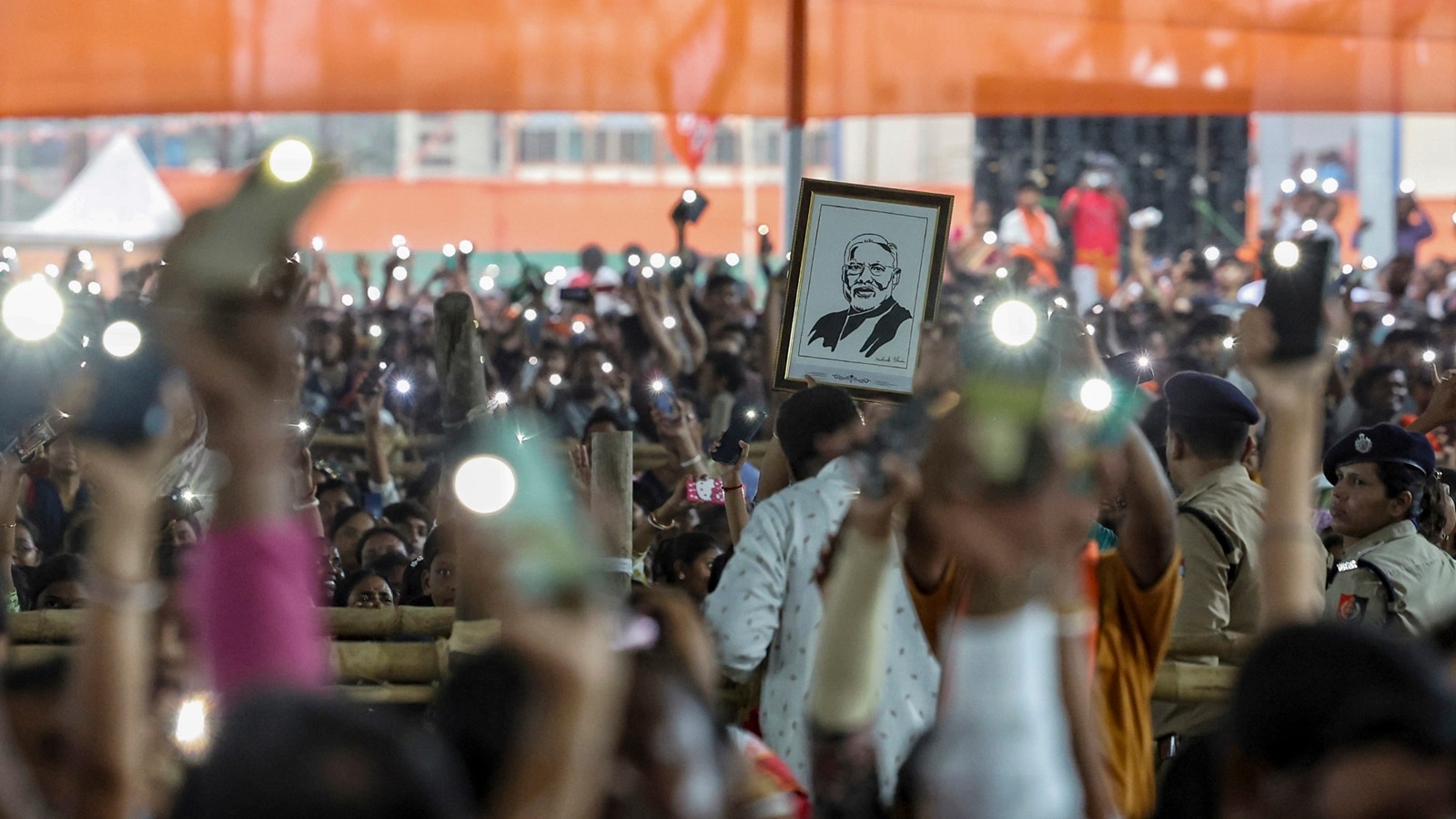
Modi's Women’s Convention in Varanasi
Modi's Varanasi rally frames women's reservation as a national mission, targeting the 2027 Uttar Pradesh elections with a strategic narrative.
India
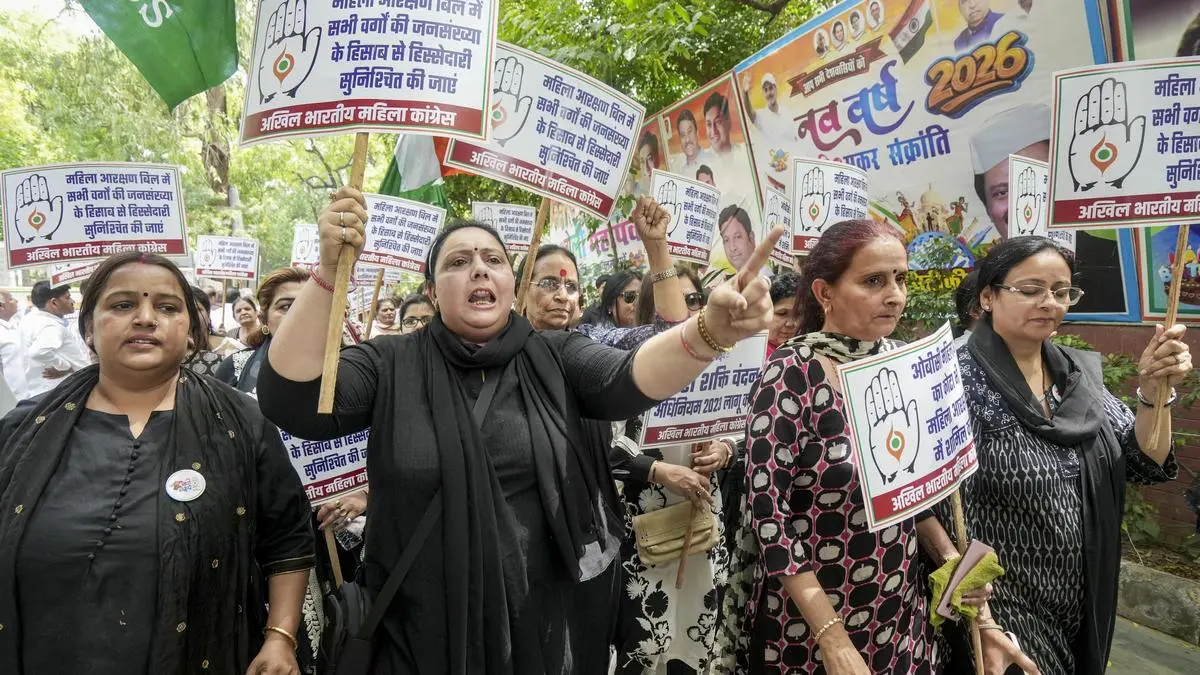
BJP's Misunderstanding of Women's Quota Needs
The BJP's linking of the Women Reservation Bill to delimitation risks delaying women's empowerment in India, misreading the aspirations of female voters.

Conflict & Security
Drone Warfare Killing Aid Workers at Unprec
Over 1,000 humanitarian workers killed in three years as cheap armed drones collapse legal protections. Gaza, Sudan, Ukraine, and DRC see deliberate targeting of aid convoys and hospitals with zero prosecutions.
Global
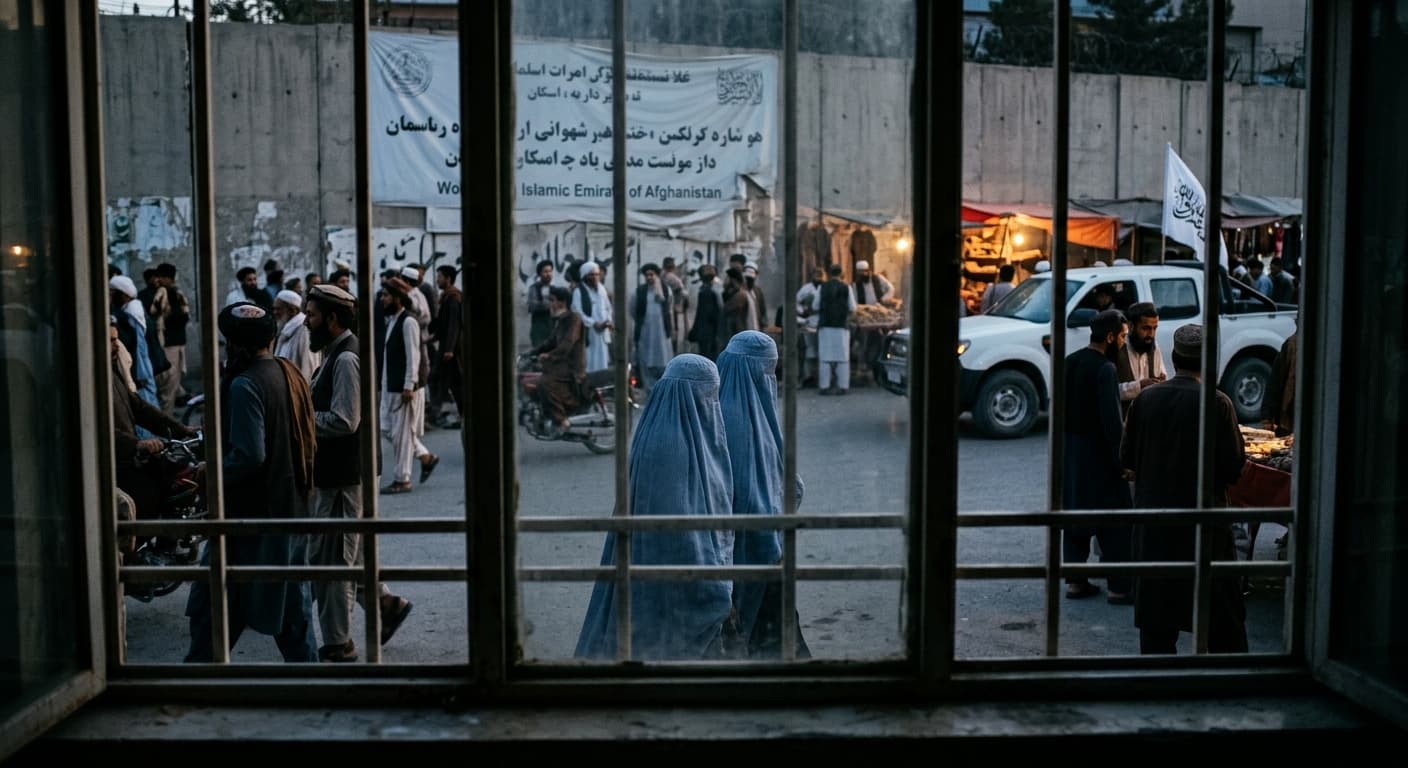
World Normalises Taliban as Afghan Women Eras
UN data shows Afghan women erased from public life as Russia recognises the Taliban, EU hosts officials in Brussels, and ICC warrants for gender persecution go unenforced.