Himanta Biswa Sarma Takes Charge in Assam
BJP central leadership settles succession in Assam favoring Sarma.
Model Diplomat3 min readAsia
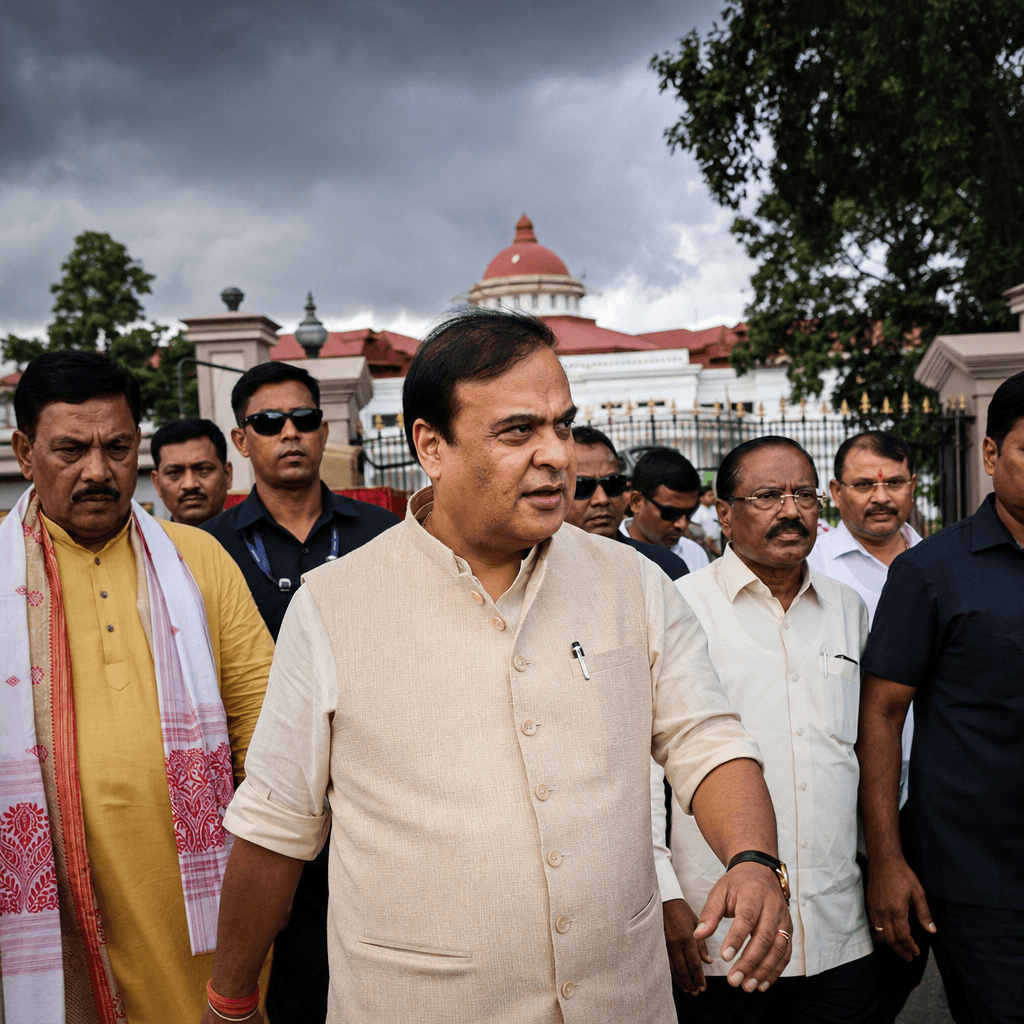
BJP Locks In Himanta Sarma for Assam Power Transfer
The party’s central leadership has settled Assam’s succession in Himanta Biswa Sarma’s favor, signaling continuity and tighter BJP control over the state.
The BJP has already picked its next man in Assam: Himanta Biswa Sarma was elected leader of the party’s legislature group on Sunday and will meet the governor to stake claim to form the government, according to The Indian Express. That makes this less a contest than a ratification. The real decision was taken earlier in Delhi, where the BJP parliamentary board settled on Sarma as Sarbananda Sonowal’s successor, as
The Times of India reported.
Delhi, not Dispur, holds the leverage
This is the BJP’s preferred model in high-value states: win the election locally, decide the chief minister centrally. Assam fits that pattern neatly. The party did not campaign with a named chief ministerial face, and that left the succession question open until the last moment, The Times of India reported. Once the results were in, the central leadership slowed the transition, then closed it on its own terms.
That matters because it tells us where the leverage sits inside the BJP: not with the state legislature, but with the party leadership around J.P. Nadda and the parliamentary board. Sarma’s unanimous election as legislature leader, as Hindustan Times noted, is a political formality after the real bargaining has already been done.
For Assam, this is about continuity without ambiguity. Sarma is not a newcomer or compromise pick; he is the BJP’s chief organiser in the Northeast and, by the party’s own logic, the man best placed to keep the coalition together. In India politics, that is often more valuable than loyalty to the outgoing chief minister.
Why Sarma wins, and Sonowal loses only the chair
Sarma benefits from a profile that combines administrative experience, regional reach, and alliance credibility. He is stepping in after the BJP and its allies secured a workable majority: the NDA won 75 of 126 seats, with BJP taking 60, AGP nine, and UPPL six, The Times of India reported. That arithmetic matters. It means Sarma must keep the coalition aligned, but it also gives him enough room to dominate the government if he can manage the allies.
Sonowal’s loss is more controlled than terminal. He resigned before the legislature party meeting, and Sarma publicly praised his five years in office, according to The Times of India. That framing is deliberate: the BJP is trying to avoid any sense of defeat or rupture. The outgoing chief minister is being turned into a senior party asset, not a discarded rival.
What to watch next
The immediate test is the cabinet. If Sarma builds a small, tightly controlled ministry, it will confirm that the BJP wants stronger centralised management in Assam rather than a broad coalition cabinet. The other signal is whether AGP and UPPL get enough representation to stay invested, or enough to stay dependent.
The next decision point is the oath and portfolio allocation, expected once Sarma formally stakes claim before the governor, as The Indian Express reported. If the ministry is announced quickly and with coalition balance intact, the BJP will have turned a leadership question into a clean transfer of power.
Discover more
India
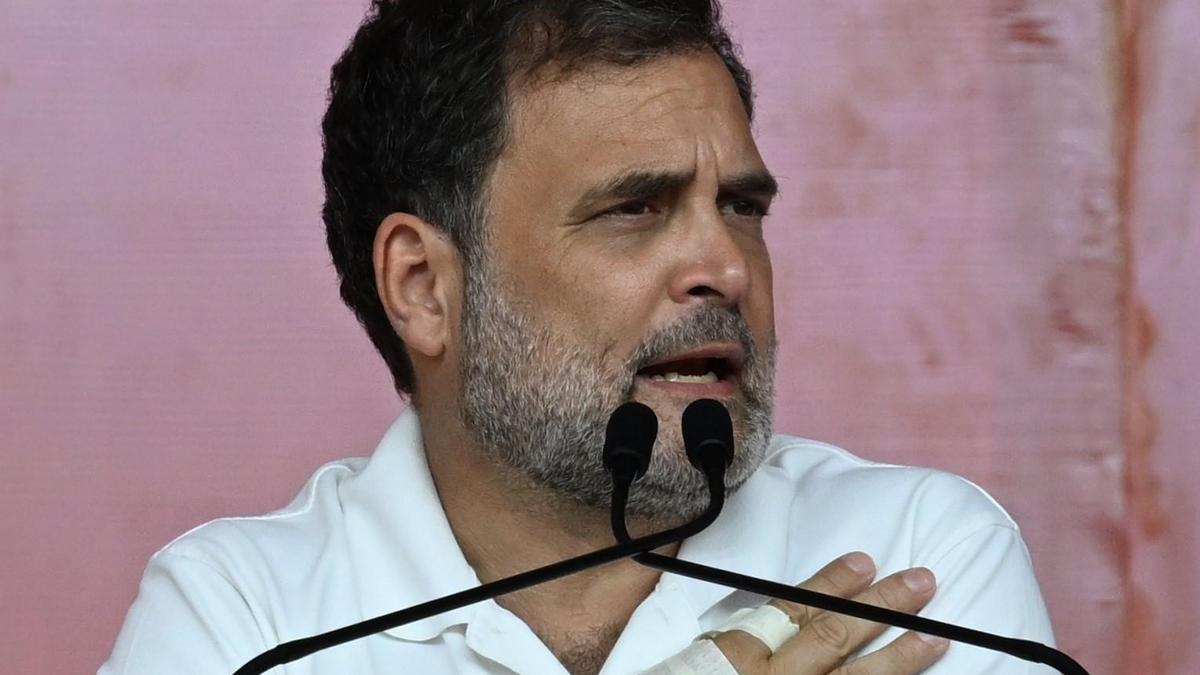
Rajnath Singh's Durga Squad for 2026 Polls
Rajnath Singh's Durga Squad promised women's safety in Bengal but has since disappeared from the agenda, revealing BJP's true priorities.
India
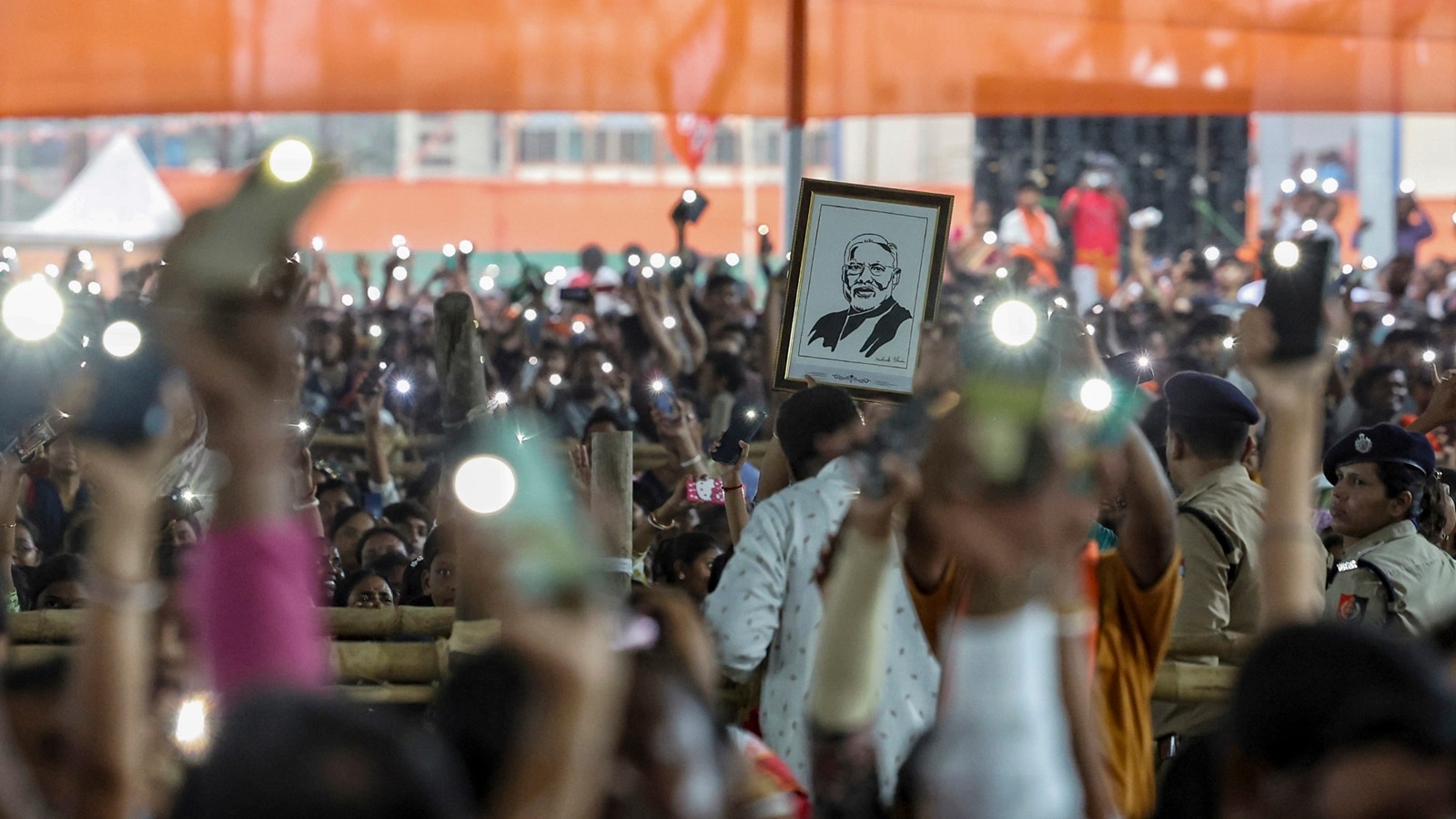
Modi's Women’s Convention in Varanasi
Modi's Varanasi rally frames women's reservation as a national mission, targeting the 2027 Uttar Pradesh elections with a strategic narrative.

Conflict & Security
Drone Warfare Killing Aid Workers at Unprec
Over 1,000 humanitarian workers killed in three years as cheap armed drones collapse legal protections. Gaza, Sudan, Ukraine, and DRC see deliberate targeting of aid convoys and hospitals with zero prosecutions.

Global
World Normalises Taliban as Afghan Women Eras
UN data shows Afghan women erased from public life as Russia recognises the Taliban, EU hosts officials in Brussels, and ICC warrants for gender persecution go unenforced.