Bihar’s Cashless Health Plan Buys Peace
New health scheme for state officials and pensioners
Model Diplomat3 min readAsia
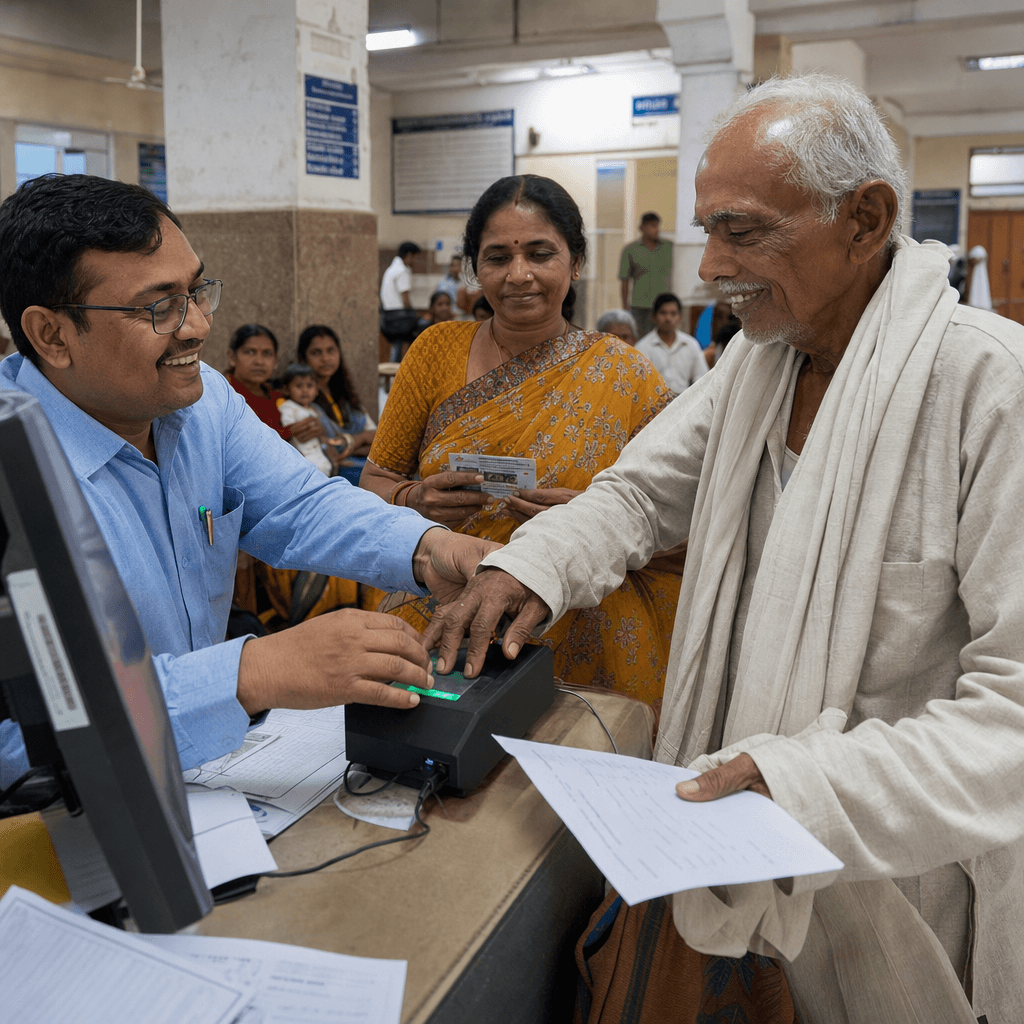
Bihar’s Cashless Health Plan Buys Peace for the State
Patna is replacing reimbursement with direct hospital billing for legislators, officials and pensioners — a concession that shifts cost and leverage upward.
The Bihar cabinet has approved cashless treatment for MLAs, serving and retired IAS and All India Service officers, state employees, pensioners and their dependents, with the facility to run under the Bihar Government Health Scheme, The Hindu reported. The state says beneficiaries will get cards and that major hospitals in Bihar and across the country will be integrated, but the Health Department will issue the ceiling and operating rules later, which means the real fiscal shape of the scheme is still undecided,
The Hindu said.
The pressure came from inside the state
This is not a mass welfare expansion so much as a settlement with Bihar’s own administrative class. In February, the deputy chief minister told the assembly that cashless healthcare would be extended to roughly one million state employees and their dependents, after legislators complained that the existing reimbursement model was slow and cumbersome, The Times of India reported. Later that month, MLCs from across party lines pressed the government again, saying claims were delayed, deductions were common and full reimbursements often did not arrive,
The Times of India reported.
That sequence matters. The government is not responding to a public-health insurgency from below; it is responding to a complaint from employees, legislators and retirees who are organized, vocal and embedded in the state itself. For Patna, cashless treatment is a way to reduce friction with a politically sensitive bloc that can sustain pressure inside the assembly and across departments. For a broader read on how state policy gets negotiated in India, see India.
Who gains, who carries the risk
The immediate winners are obvious: MLAs, bureaucrats, state employees and pensioners who no longer have to front medical costs and chase reimbursement files. Empanelled hospitals also gain a steadier government-backed payment stream, which is attractive in a state where payment delays can distort private-provider behavior. The loser, at least in the short term, is the finance bureaucracy, which now has to manage a more direct and potentially less predictable liability.
The unresolved question is whether Bihar is setting a cap. The Hindu said the Health Department will clarify later whether there will be an upper ceiling or none at all. That single detail will determine whether this is a contained administrative upgrade or a recurring pressure point on the state budget. If the scheme is open-ended, Bihar will have traded one source of resentment — reimbursement delays — for another: higher and less visible health spending.
What to watch next
The next decision point is the Health Department guideline: the cap, the empanelment list, the payment workflow and whether the state limits the scheme to inpatient treatment, as indicated in the cabinet note reported by The Hindu. If Patna moves quickly, this will become a template for other states facing the same employee-reimbursement problem. If it stalls on funding, the cabinet decision will look more like a promise to the state class than a completed policy.
Discover more
India
CPI(M) Calls to Decouple Quota from Delimita
CPI(M) advocates for a 33% women's quota in Lok Sabha by 2029, removing the need for delimitation and census linkage.
India
BJP Congress Clash Over MP Bill Defeat
The BJP's defeat of the women's quota amendment sparks a political narrative war with Congress, impacting future elections.
India
Modi's Women’s Convention in Varanasi
Modi's Varanasi rally frames women's reservation as a national mission, targeting the 2027 Uttar Pradesh elections with a strategic narrative.

Conflict & Security
Drone Warfare Killing Aid Workers at Unprec
Over 1,000 humanitarian workers killed in three years as cheap armed drones collapse legal protections. Gaza, Sudan, Ukraine, and DRC see deliberate targeting of aid convoys and hospitals with zero prosecutions.