Bhagwant Mann's Recall Efforts Hit Limits
Mann's push for recall faces significant legal hurdles.
Model Diplomat3 min readAsia

Mann’s Recall Push Faces a Hard Constitutional Limit
Bhagwant Mann can escalate the politics of AAP’s Rajya Sabha revolt, but the Constitution gives him almost no direct route to “recall” defecting MPs.
BJP holds the leverage, not Punjab Chief Minister Bhagwant Mann. Hindustan Times reports that Mann’s “recall” pitch is heading to Rashtrapati Bhavan, but the basic constraint is constitutional: India does not provide a general right to recall MPs, and any real remedy runs through the anti-defection law and the presiding officer of the House, not the President’s discretion As Mann’s recall pitch heads to Prez house, why Constitution offers little room.
Delhi’s institutional edge is the story
The immediate trigger is AAP’s parliamentary rupture. Seven of AAP’s 10 Rajya Sabha MPs — including Raghav Chadha — left the party and joined the BJP on April 24, 2026, a move that hit AAP hardest in Punjab, where six of the seven were elected from the state Will AAP MPs face disqualification after joining BJP?.
The bigger shift came fast: Rajya Sabha Chairman C.P. Radhakrishnan accepted the merger on April 27, lifting the BJP’s strength in the Upper House to 113 and cutting AAP to three members Rajya Sabha Chairman accepts merger of seven AAP MPs with BJP. That is why Mann’s move is politically loud but institutionally weak. The decisive office has already acted.
Who benefits is clear. BJP gains numbers in Parliament and reinforces the narrative that AAP is organizationally brittle beyond Delhi and Punjab. AAP loses national weight, and Mann loses insulation ahead of the 2027 Punjab Assembly election AAP MPs walk out, casting shadow over 2027 Assembly polls in Punjab.
Why the Constitution gives Mann little room
This is not really a recall case. It is an anti-defection case. The governing law is the Tenth Schedule, which disqualifies legislators for defection but preserves an exception where at least two-thirds of a legislature party merges with another party Meant to protect free speech from anti-defection law, ‘merger’ is now a defence for joining a rival party.
That distinction matters. A presidential appeal may raise pressure, but it does not create a constitutional power that does not exist. India has debated a broader “right to recall,” and some states use it for local bodies, but not for MPs and MLAs at the national level Right to Recall: Accountability Tool or Political Risk?. For a quick guide to the wider political context, see Diplomat’s
India coverage.
AAP is therefore trying the only viable route available: it has petitioned the Rajya Sabha Chairman to disqualify the defectors and says it will go to court if that fails Disqualify all seven defecting MPs, AAP says in petition to Rajya Sabha Chairman
AAP will move court if seven MPs not disqualified: Sanjay Singh.
What to watch next
The next decision point is judicial, not presidential. Watch whether AAP files in court and whether judges read the two-thirds merger defence narrowly or defer to the Chairman’s recognition. If the courts do not intervene quickly, BJP keeps the parliamentary gain, and Mann’s “recall” drive becomes what it already looks like: a political mobilization tool, not a constitutional remedy.
Discover more
India
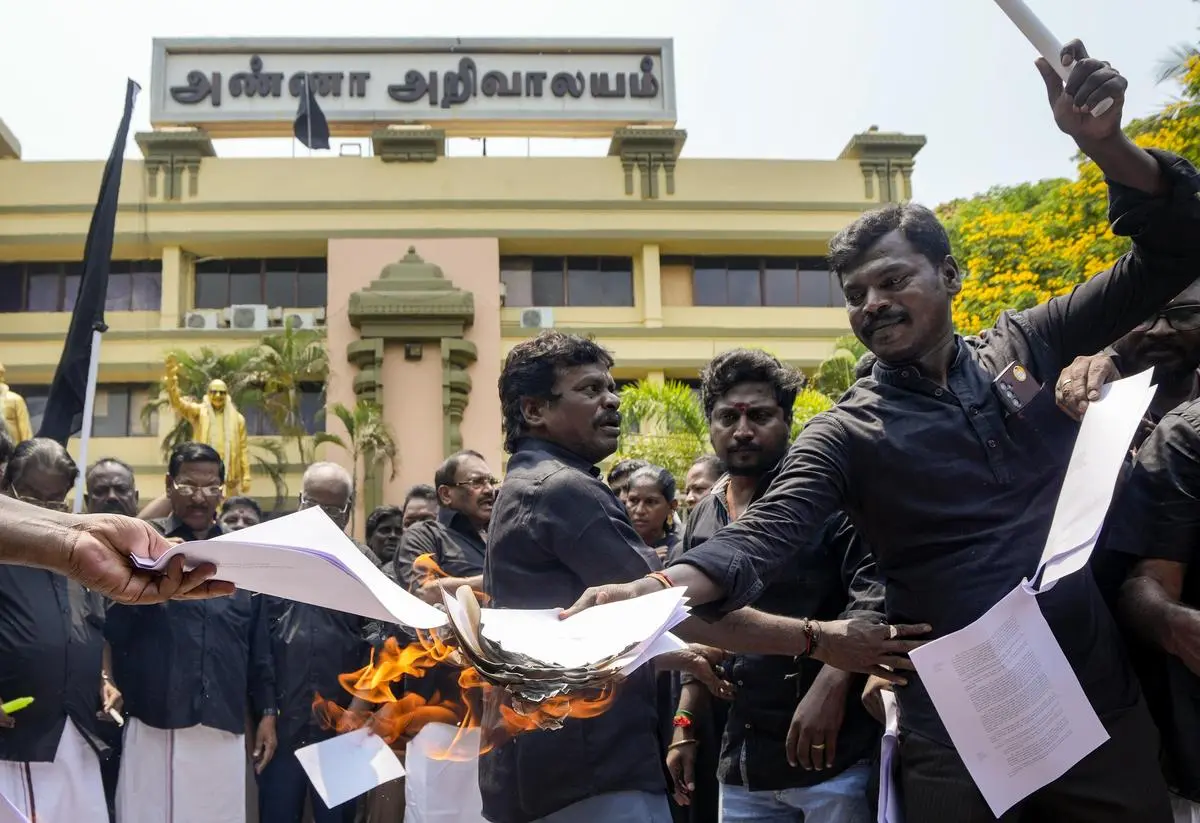
Women’s Reservation Bill 2026
The Constitution (131st Amendment) Bill, 2026 was defeated in Lok Sabha, revealing deeper political conflicts over women's reservation and delimitation.
India
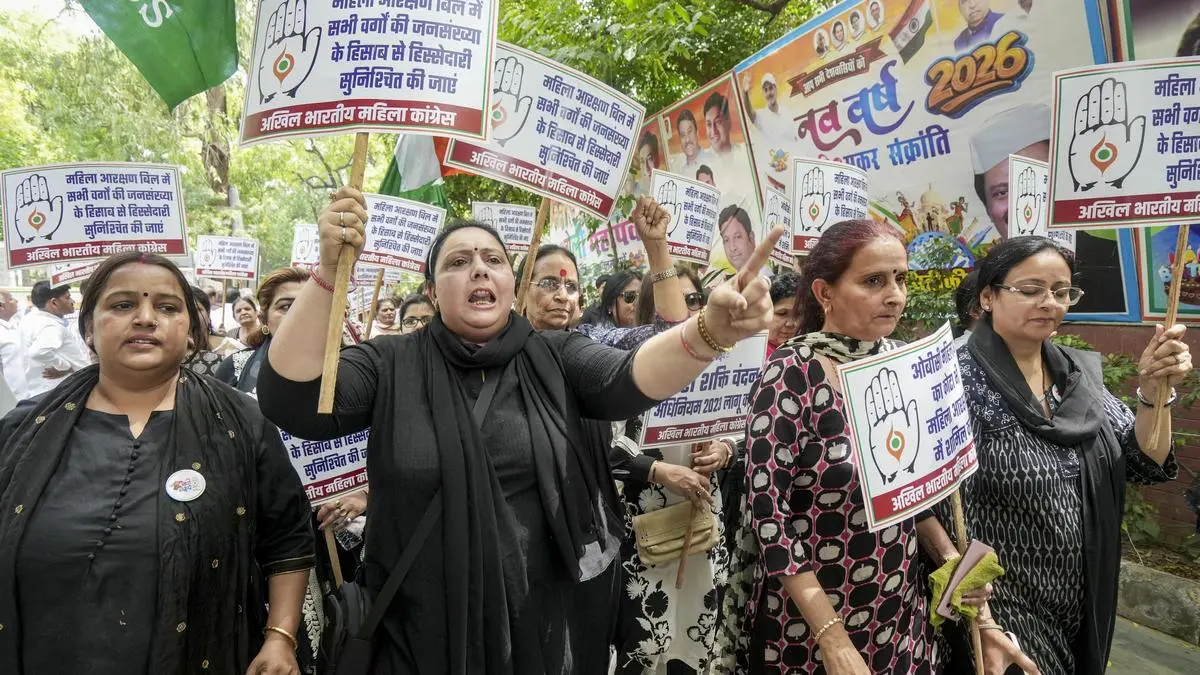
BJP's Misunderstanding of Women's Quota Needs
The BJP's linking of the Women Reservation Bill to delimitation risks delaying women's empowerment in India, misreading the aspirations of female voters.

Conflict & Security
Drone Warfare Killing Aid Workers at Unprec
Over 1,000 humanitarian workers killed in three years as cheap armed drones collapse legal protections. Gaza, Sudan, Ukraine, and DRC see deliberate targeting of aid convoys and hospitals with zero prosecutions.

Global
World Normalises Taliban as Afghan Women Eras
UN data shows Afghan women erased from public life as Russia recognises the Taliban, EU hosts officials in Brussels, and ICC warrants for gender persecution go unenforced.