Bensouda: Israel Raises Cost of ICC Justice
Bensouda warns of pressure on ICC's Palestine work.
Model Diplomat3 min readGlobal
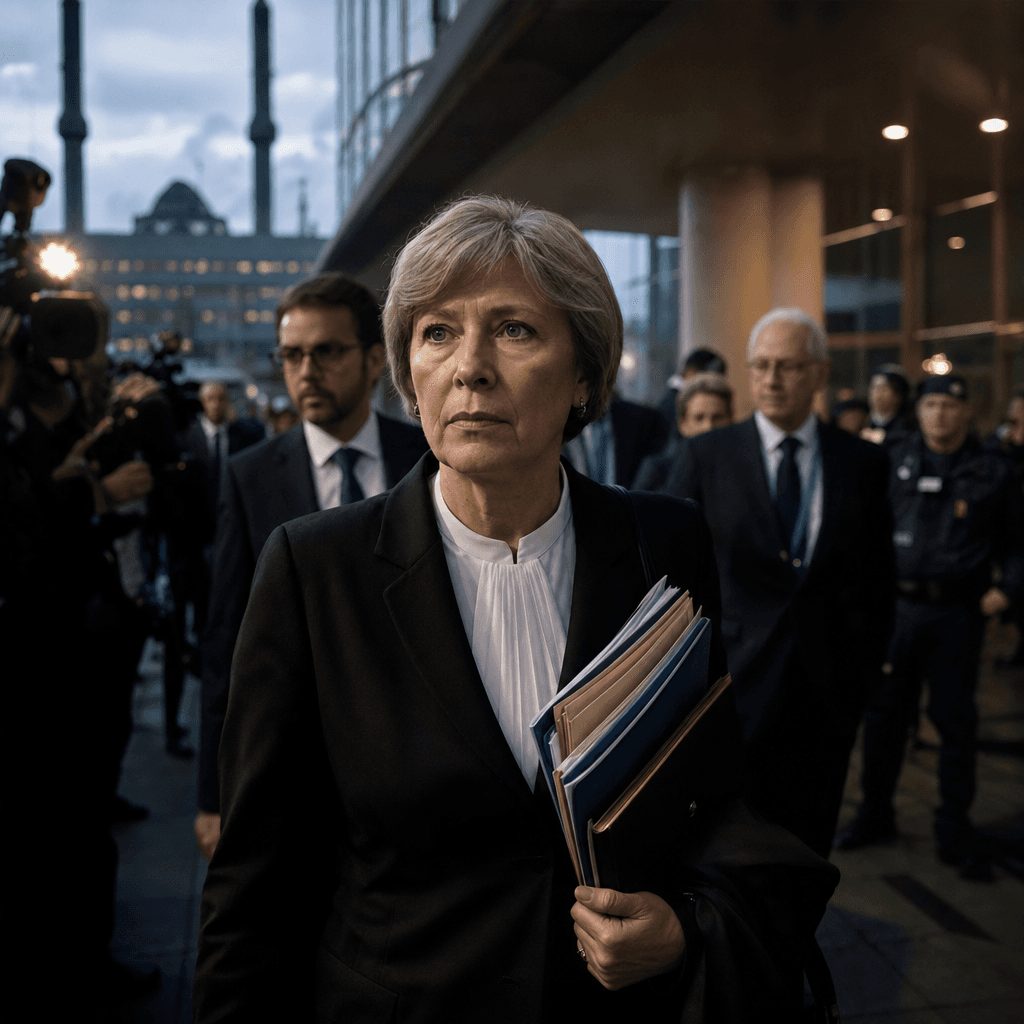
Bensouda Says Israel Is Raising the Cost of ICC Justice
Fatou Bensouda says pressure, threats and sanctions are meant to choke ICC Palestine work; Europe now decides whether it will shield the court.
Fatou Bensouda is making the power structure plain: Israel and its allies have tried to raise the personal and institutional cost of ICC action until the court backs off. In an interview with Al Jazeera, the ICC’s former chief prosecutor said she faced threats and pressure while pursuing Palestine-related investigations, described the court’s member states as too passive, and warned that international justice is being sacrificed to political interests.
The leverage is the point
Bensouda’s central argument is not about one interview or one case file. It is that the ICC is being told, through sanctions and intimidation, that pursuing Israeli officials carries a price. That is the logic behind the campaign she describes: if judges, prosecutors and the people around them face financial disruption, travel restrictions and political isolation, fewer professionals will be willing to do the work. The Guardian reports that she called the sanctions “thuggish” and “bullying,” and argued they are designed to push the court toward oblivion.
That matters because the ICC has no police force and no sovereign backing of its own. Its authority depends on states that are willing to enforce warrants, protect personnel and absorb the diplomatic cost. Bensouda says that support has been thin when it is most needed. In plain terms, the court can issue law; only states can supply power. For readers tracking the wider Global Politics picture, this is a test of whether international legal institutions can survive a sustained counterattack by a major military ally of Washington.
Europe is the only plausible counterweight
The most important practical question now is whether European states will stop confining themselves to statements of support. Bensouda’s answer is that they should move from symbolism to protection: legal defenses, protected banking channels and, crucially, an EU blocking statute to blunt U.S. sanctions, according to The Guardian.
That is where the leverage changes. The United States can pressure ICC personnel because they need access to dollars, banks and travel. Europe can reduce that vulnerability if it is willing to. But the political will has been inconsistent. BBC reported in February 2025 that dozens of ICC member states voiced support after Donald Trump imposed sanctions on ICC staff, yet the statement of backing did not translate into a strong protective mechanism. That gap is exactly what Bensouda is exploiting now: she is forcing member states to choose between rhetorical support for international justice and material defense of the court.
For Israel, the benefit of pressure is obvious: delay, deter and discredit ICC scrutiny of its conduct in Gaza and the occupied territories. For the ICC, the cost is slower investigations and a shrinking pool of willing staff. For the United States, sanctions offer a cleaner political answer to a case it rejects than a legal argument it cannot win.
What to watch next
The next decision point is in Europe, not The Hague. If the EU or key member states move on a blocking statute or other protective measures, Bensouda’s argument gains force and the court gets breathing room. If they do not, the sanctions regime becomes a template for future attacks on the ICC. Watch for any Dutch, German or French response, and for whether the ICC’s member states move beyond statements at the next formal court and EU meetings. That will tell you whether Bensouda is warning about a threat already contained — or the beginning of a longer retreat.
Discover more
India
UN Expert Albanese: India Violates Law
UN Rapporteur Francesca Albanese accuses India of breaching international law, spotlighting human rights concerns in Kashmir and prompting diplomatic pushback.

International Relations
Pakistan's Key Role in US-Israel-Iran Meddle
Pakistan is seeking to mediate the US-Israel-Iran conflict, balancing high-stakes diplomacy against severe economic pressures and steep regional challenges.

Conflict & Security
Drone Warfare Killing Aid Workers at Unprec
Over 1,000 humanitarian workers killed in three years as cheap armed drones collapse legal protections. Gaza, Sudan, Ukraine, and DRC see deliberate targeting of aid convoys and hospitals with zero prosecutions.
Global
World Normalises Taliban as Afghan Women Eras
UN data shows Afghan women erased from public life as Russia recognises the Taliban, EU hosts officials in Brussels, and ICC warrants for gender persecution go unenforced.