Ben-Gvir's Flotilla Video Triggers Diplomatic
Ben-Gvir's video of detained activists ignites international backlash.
Model Diplomat3 min readMiddle East
Ben-Gvir’s Flotilla Video Turns into Diplomatic Blowback
Ben-Gvir’s detention video gave Europe a clean line of attack and turned Israel’s blockade tactics into evidence of impunity.
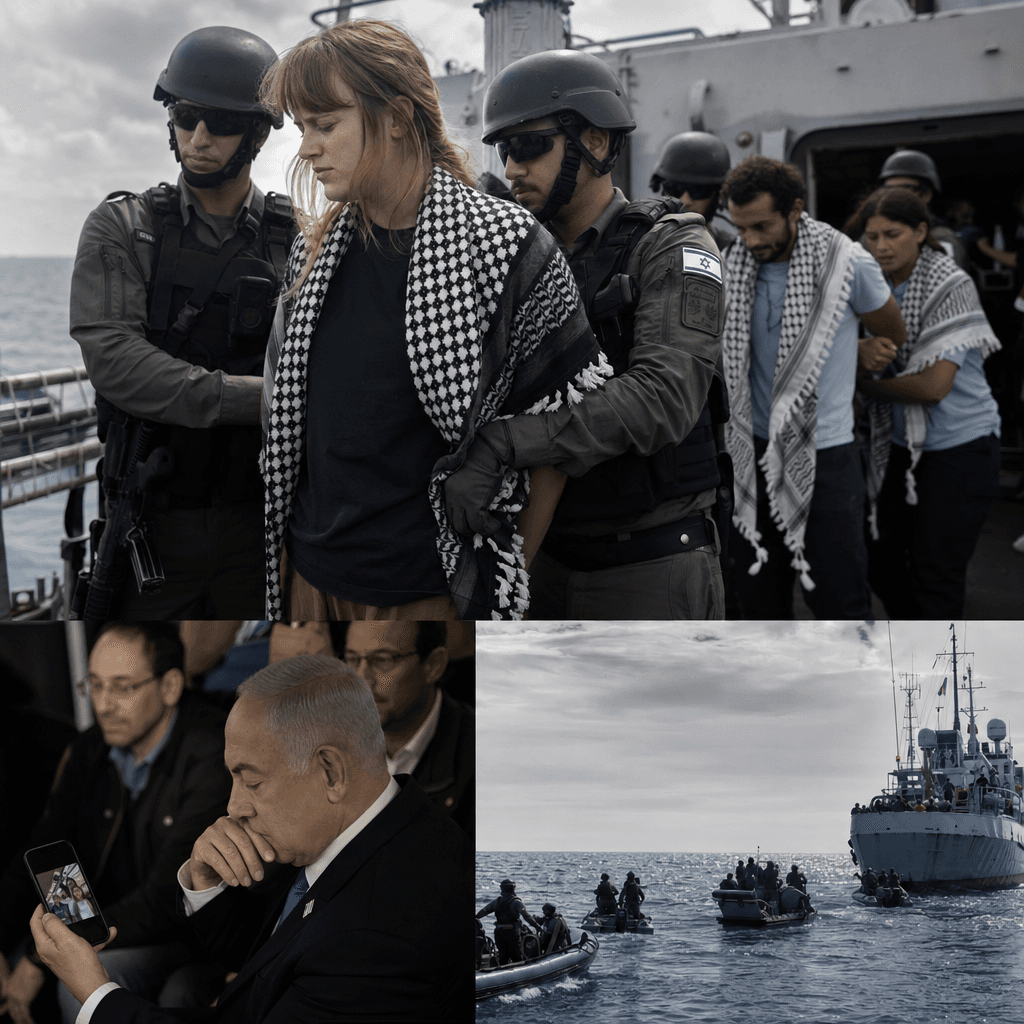
Israel still controls the boats, the detainees and the Gaza crossing points, but Itamar Ben-Gvir’s taunting video has handed opponents something more valuable: visual proof of how Jerusalem enforces the blockade. The BBC reported that Italy and France condemned the treatment of the Global Sumud Flotilla activists and summoned Israel’s ambassadors, after Ben-Gvir posted footage of himself confronting detained activists at Ashdod (BBC). AP, as carried by The Washington Post, said he told the detainees they should be imprisoned for a long time, underscoring that the minister was not just documenting an arrest but staging a political message (
The Washington Post).
What Ben-Gvir was trying to do
Ben-Gvir’s audience was domestic. He wanted to show the Israeli right that the state is still willing to humiliate, detain and deter anyone trying to challenge the Gaza siege. That is why the video matters: it was not a leak, but a performance. The activists, who had tried to breach Israel’s naval blockade, were already in custody; the minister chose to turn that into a public display.
The problem for Ben-Gvir is that the stunt exposed a split at the top of the Israeli government. The BBC and The Guardian both reported that Prime Minister Benjamin Netanyahu and Foreign Minister Gideon Saar distanced themselves from the footage, with Saar saying Ben-Gvir had harmed Israel in a “disgraceful display” and Netanyahu saying the treatment was not in line with Israel’s values and norms (BBC;
The Guardian). That is the real power dynamic here: Ben-Gvir is using humiliation as political currency, but in doing so he is forcing the government to spend diplomatic capital cleaning up after him.
Why this matters beyond optics
This episode lands inside a much larger fight over legitimacy. For the activists and their backers, the point of the flotilla was to challenge the blockade and keep Gaza on the agenda. For Israel, the challenge is to preserve the blockade while avoiding the appearance of arbitrary abuse. Ben-Gvir made that harder. The result is a cleaner international case against Israel’s methods, not just its policy.
That is why this story matters to Conflict readers and to anyone watching how states build legal exposure from their own behavior. Al Jazeera’s analysis is blunt: the footage fits a broader pattern of abuse and impunity, and the real evidentiary value comes from Israelis themselves — officials, soldiers and journalists posting videos, speeches and interviews that can be used in court (
Al Jazeera). South Africa’s genocide case at The Hague is the clearest example of how those images can become part of a legal record, not just a media scandal.
What to watch next
The next test is whether this stays at the level of ambassador summonses or turns into real penalties. The Guardian reported that the UK summoned Israel’s charge d’affaires, while Italy pressed EU foreign policy chief Kaja Kallas to discuss sanctions on Ben-Gvir (The Guardian). Watch whether European capitals move from protest to measures against the minister himself, and whether Israel’s rapid deportation of the activists closes the immediate crisis or simply feeds the next round of evidence.
Discover more

Global Politics
US Seizes Iranian Ship, Tensions Surge
The US seizure of the Iranian ship Touska highlights a shift in control over the Strait of Hormuz, favoring Iran's strategic position.

Conflict & Security
Drone Warfare Killing Aid Workers at Unprec
Over 1,000 humanitarian workers killed in three years as cheap armed drones collapse legal protections. Gaza, Sudan, Ukraine, and DRC see deliberate targeting of aid convoys and hospitals with zero prosecutions.

Global
World Normalises Taliban as Afghan Women Eras
UN data shows Afghan women erased from public life as Russia recognises the Taliban, EU hosts officials in Brussels, and ICC warrants for gender persecution go unenforced.
Conflict & Security
West Africa Food Crisis: Three Shocks in 2026
Conflict, climate extremes, and the Strait of Hormuz closure drive a severe food crisis in West and Central Africa, with fertilizer prices surging 80% and millions displaced.