Bannu Bombings Expose TTP Resurgence
IED attacks in Khyber Pakhtunkhwa highlight border tensions
Model Diplomat3 min readAsia
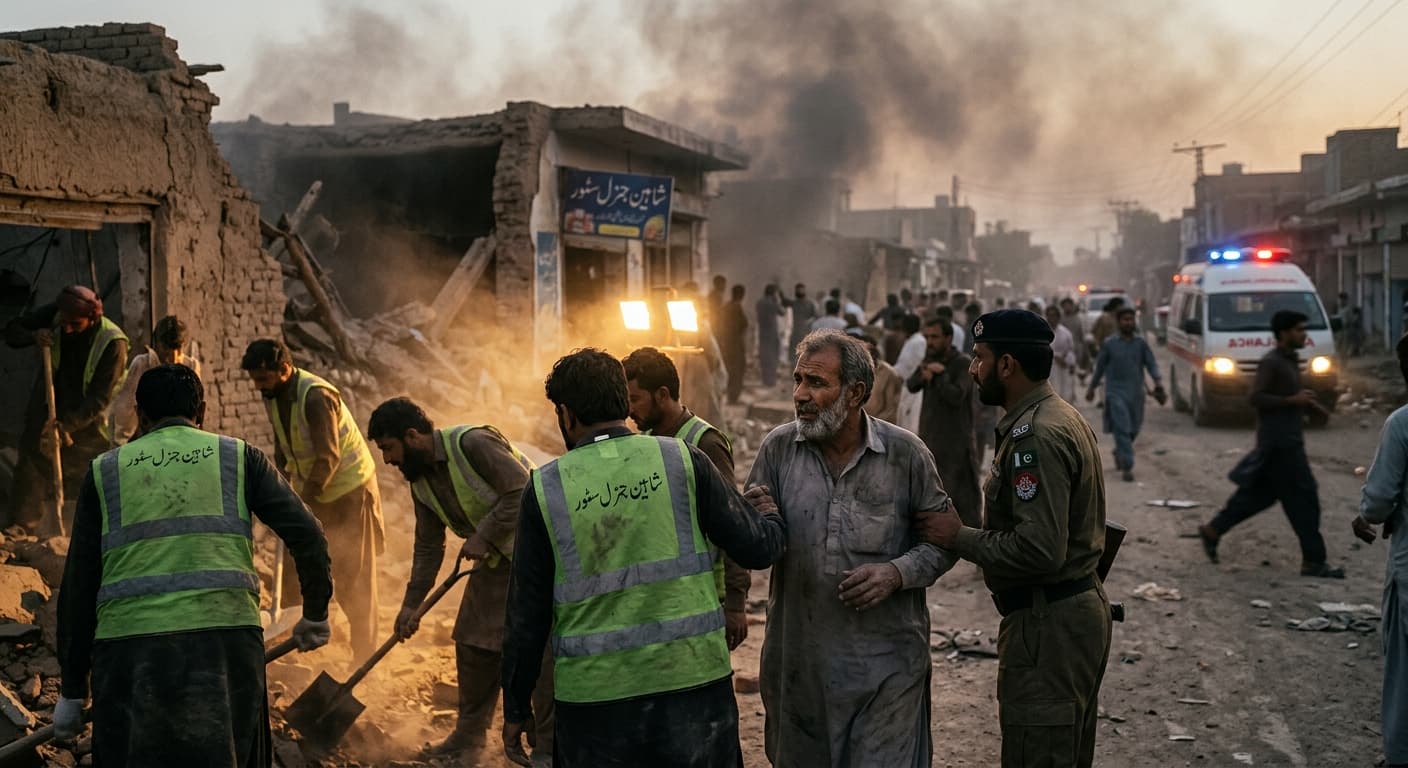
Bannu Bombings Expose TTP Resurgence Along Pakistan Border
Twin IED attacks kill seven in Khyber Pakhtunkhwa, underscoring collapsed Afghanistan truce as cross-border strikes escalate
Al Jazeera reported Saturday that two roadside bombs killed at least seven people in Bannu district, Khyber Pakhtunkhwa province. A remote-controlled IED struck a civilian pickup truck carrying passengers; as rescuers responded, a second device detonated. Three were wounded. The attacks carry a signature typical of TTP operations — the Tehreek-e-Taliban Pakistan, a UN-designated terror group operating primarily from Afghan territory.
No group has claimed responsibility, but the timing is telling. The bombings occurred amid a new escalation cycle between Pakistan and Afghanistan. On June 19, the Afghan Defense Ministry claimed it conducted airstrikes on alleged ISIS hideouts in Pakistani provinces — particularly in Balochistan and Khyber Pakhtunkhwa.
The Times of India reported Pakistan immediately denied the claims, insisting the only incident was an interception of an Afghan drone. The competing narratives mask a deeper collapse: diplomatic channels have closed, and both sides now pursue security through military action rather than negotiation.
The Bannu Pattern
Bannu is not accidental. The district has become a pressure point for TTP capacity and Pakistani state collapse. In May 2026, Channel NewsAsia reported a car bombing followed by an ambush killed at least 14 police officers at a security post — one of the worst provincial attacks in years. The TTP splinter group Ittehad-ul-Mujahideen claimed that attack. Within weeks, the pattern repeats. The 2026 escalation cycle appears structural, not episodic.
A February 2026 UN Monitoring Team report documented that the TTP receives "greater liberty and support" from Afghan Taliban authorities — a charge Kabul continues to deny. Yet Xinhua was among outlets reporting that Pakistan launched strikes on June 10 targeting TTP training camps and hideouts, claiming 26 militants killed. Pakistan's Information Minister stated the incursions were a response to "recent terrorist incidents in Pakistan" — a category now encompassing constant bombings across KP. The cycle is self-reinforcing: TTP strikes provoke Pakistani airstrikes; Afghan denials of harboring the group erode credibility; Pakistani operations on Afghan soil invite retaliation claims from Kabul.
What Shifts Now
The June 19-20 sequence—Afghan strike claims followed by Bannu bombings—suggests the TTP is operating with relative freedom to conduct complex operations across northwestern Pakistan. The UN report warned that TTP may deepen ties with Al-Qaeda-aligned groups to expand targeting beyond security forces toward civilian infrastructure and symbolic targets (as occurred in the November 2025 Islamabad courthouse bombing). Modern Diplomacy noted that military action is becoming the default when diplomatic solutions fail — a dangerous precedent when neither side can verify claims independently.
Pakistan's government will intensify calls for Afghan Taliban action against TTP. Kabul will continue denying harboring the group. The border—closed to commerce since October 2025—remains effectively militarized. Watch for whether Pakistan expands strike depth into Afghan territory within the next two weeks, and whether the TTP signals further coordination with ISIS-K (the Afghan-based Islamic State affiliate that also operates cross-border). The summer campaign season typically corresponds to militant operational peaks; June's violence may be only an opening.
Discover more

International Relations
Pakistan's Key Role in US-Israel-Iran Meddle
Pakistan is seeking to mediate the US-Israel-Iran conflict, balancing high-stakes diplomacy against severe economic pressures and steep regional challenges.
India
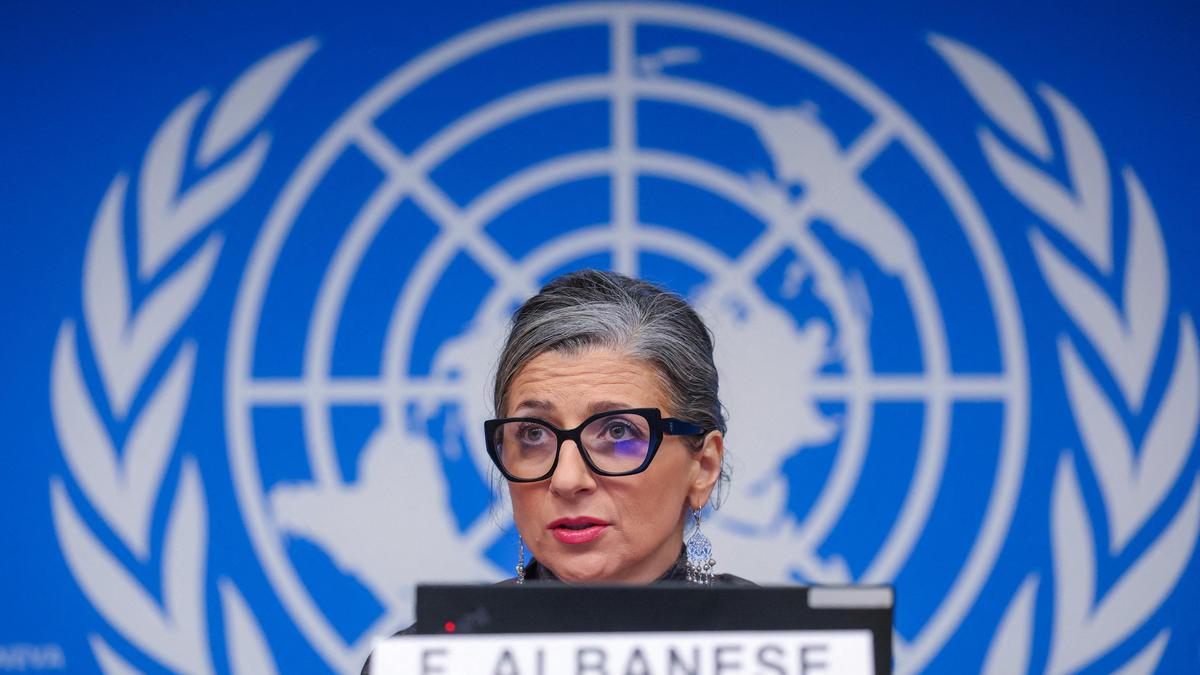
UN Expert Albanese: India Violates Law
UN Rapporteur Francesca Albanese accuses India of breaching international law, spotlighting human rights concerns in Kashmir and prompting diplomatic pushback.

Global Politics
US Seizes Iranian Ship, Tensions Surge
The US seizure of the Iranian ship Touska highlights a shift in control over the Strait of Hormuz, favoring Iran's strategic position.

Conflict & Security
Drone Warfare Killing Aid Workers at Unprec
Over 1,000 humanitarian workers killed in three years as cheap armed drones collapse legal protections. Gaza, Sudan, Ukraine, and DRC see deliberate targeting of aid convoys and hospitals with zero prosecutions.