Australia's Dilemma: Syria Returnees Risk
Canberra shifts to containment as citizens return from Roj camp.
Model Diplomat2 min readOceania

Australia Can’t Stop the Syria Return
Four women and nine children are heading home from Roj camp; Canberra is betting on arrests, surveillance, and child support, not prevention.
Australia’s real leverage over the returning Syrian cohort is limited: it cannot stop citizens from coming back, so it is shifting to containment. Home Affairs Minister Tony Burke said the government was alerted when tickets were booked, while the Australian Federal Police said some arrivals will be arrested and others kept under investigation; the group is expected to land in Melbourne and Sydney. Al Jazeera
AP News
Canberra is managing the risk it could not eliminate
This is not a repatriation Australia wanted to own. Burke has repeatedly said the government is not assisting the return, even though it must provide travel documents if citizens present themselves for departure. That leaves Labor exposed to the optics of “bringing back” alleged ISIL affiliates without the operational control that would make the policy safer or more politically defensible. Reuters
BBC
The government’s message is calibrated for two audiences. To the public, it is promising prosecutions where evidence exists and strict monitoring where it does not. To the returning children, it is promising integration, therapy, and counter-extremism support. That split matters: adults may face criminal exposure under Australia’s terrorism laws, but the children are being treated as a safeguarding problem, not a security threat. AP News
BBC
The legal precedent is now stronger than the politics
Australia has been here before. In 2022, Canberra repatriated four women and 13 children from Syrian detention camps, and it did so after weighing “security, community and welfare factors,” according to then-home affairs minister Clare O’Neil. That earlier move, plus similar repatriations by the US, France, Germany, the Netherlands and others, shows the policy problem is not whether to absorb these families, but how long governments can leave them in limbo without making the eventual return harder to manage. BBC
Canberra also has a narrow legal tool: the temporary exclusion order introduced in 2019 can delay the return of a high-risk citizen for up to two years, but it cannot be used on children under 14 and does not solve the broader right-of-return issue. That means the next test is immediate: whether the AFP can cleanly separate prosecutions from welfare support as the flights arrive. AP News
BBC
What to watch next
Watch the first arrivals in Melbourne and Sydney, then the charging decisions that follow. If prosecutors move quickly and quietly, Labor contains the fallout. If arrests are messy or evidence is thin, this becomes a live domestic security fight — and a template other Global Politics governments will study.
Discover more
Global Politics
Trump's Conflicting Messages on Iran War
Trump's contradictory statements on the Iran war raise strategic uncertainty, complicating US policy and regional dynamics.

International Relations
Pakistan's Key Role in US-Israel-Iran Meddle
Pakistan seeks to mediate in the US-Israel-Iran conflict, balancing diplomacy and economic pressures while facing significant challenges.
Global Politics
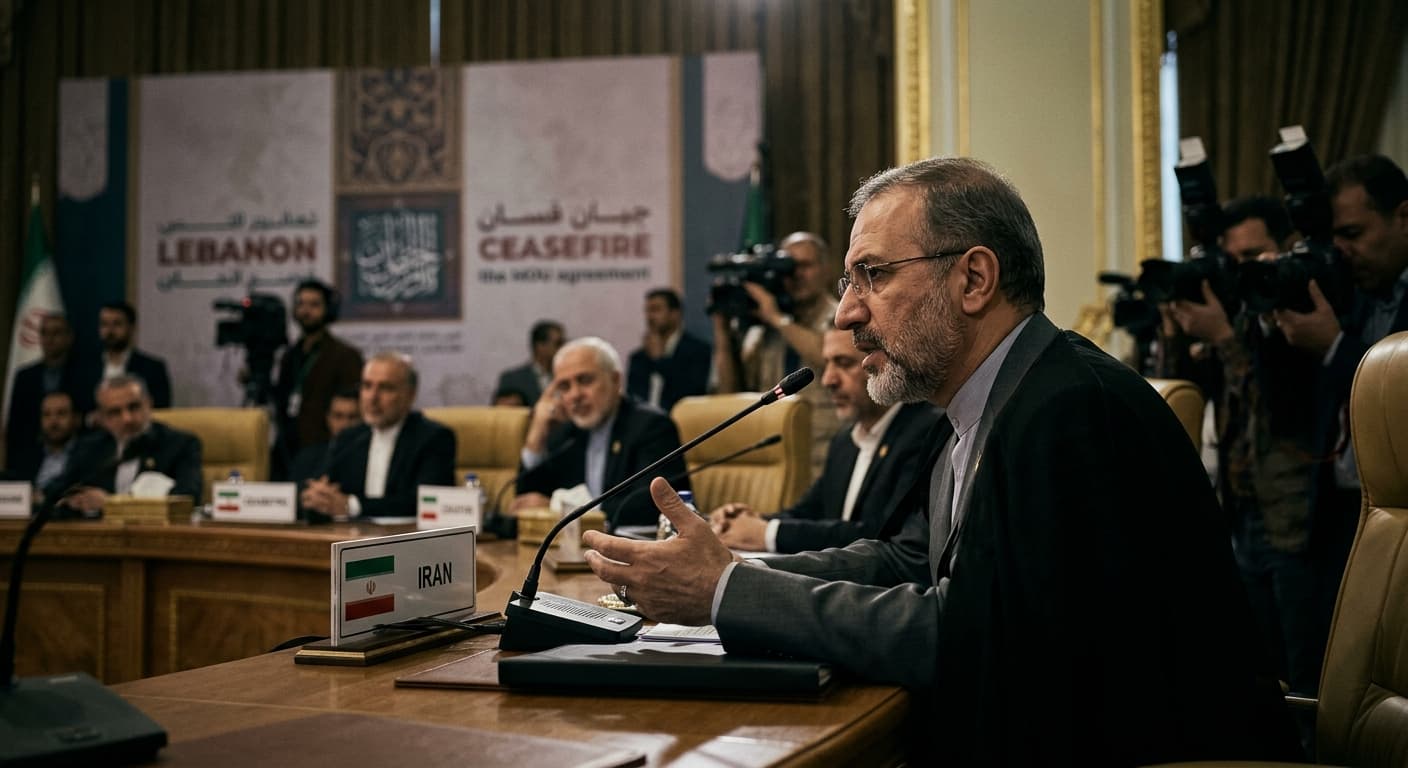
Iran Demands US Enforce Ceasefire
Iran insists the US must enforce a ceasefire in Lebanon to uphold the MoU.
India
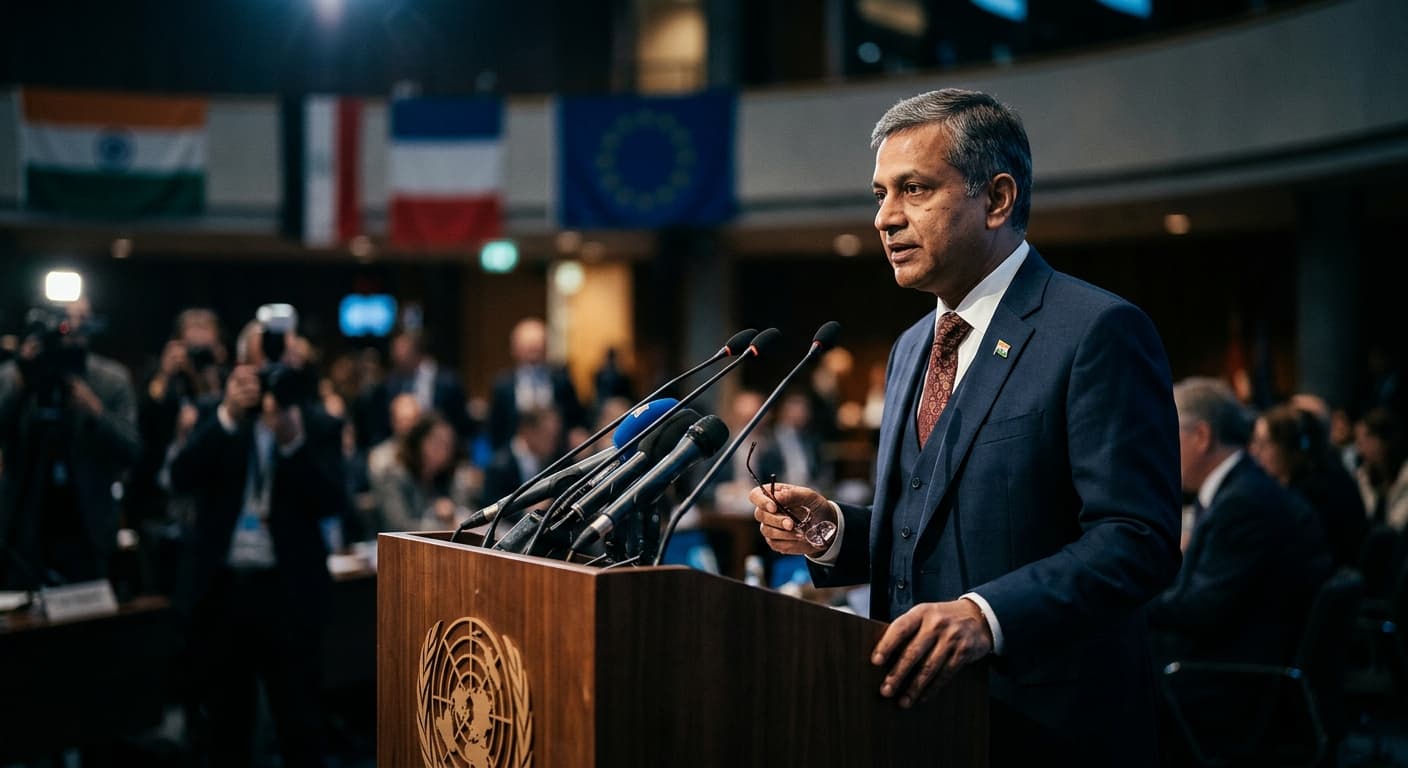
India Takes Vice-Presidency at FATF
India's Vivek Aggarwal becomes FATF vice president, paving the way for future leadership.