Assam-Nagaland Border Energy Pact Explained
A historic MoU paves the way for joint hydrocarbon exploration.
Model Diplomat3 min readAsia
Can the Assam-Nagaland Border Energy Pact Secure India?
A historic tripartite MoU ends a three-decade deadlock, paving the way for joint hydrocarbon exploration along a heavily contested inter-state boundary.
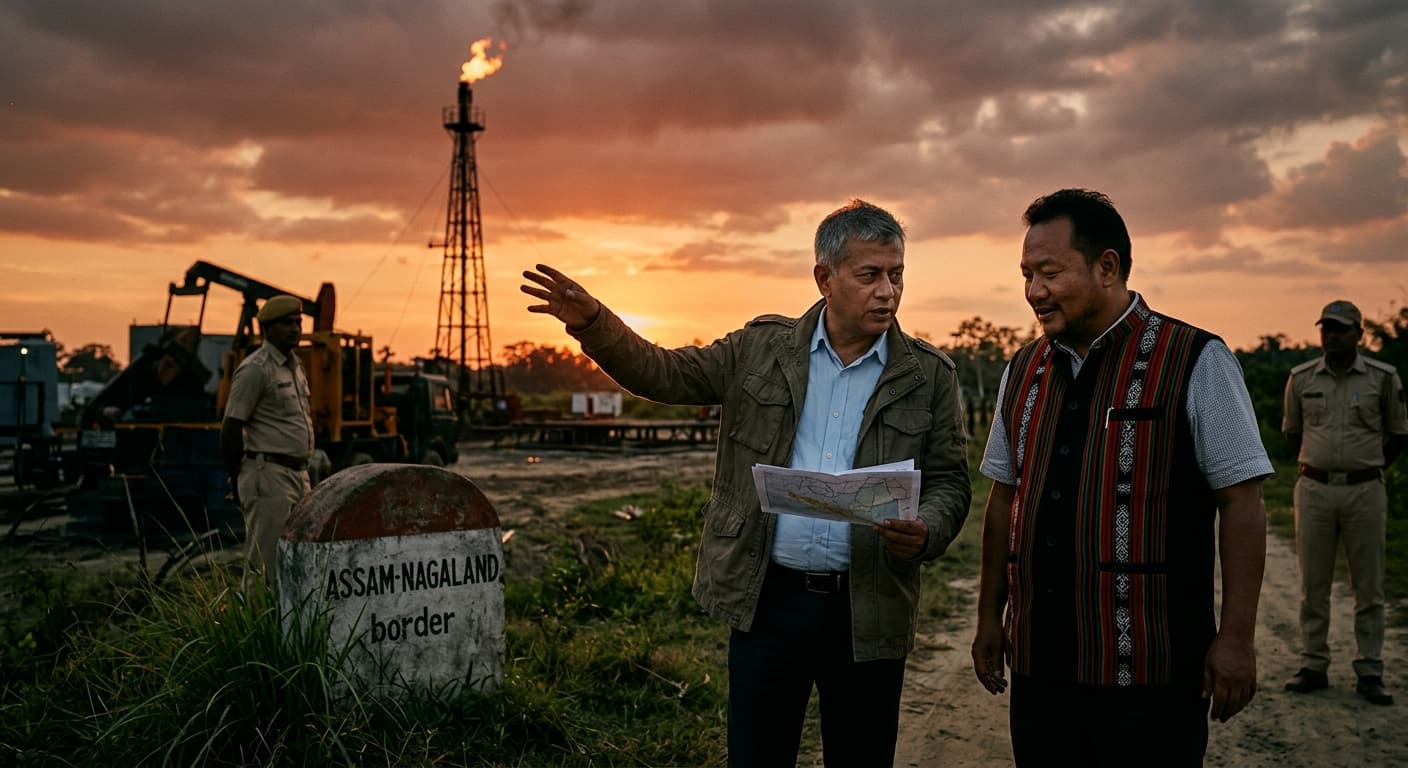
Yes. By brokering a historic tripartite agreement in New Delhi, the Indian central government has successfully dismantled a 32-year administrative deadlock between Assam and Nagaland, unlocking more than 1,000 square kilometers of resource-rich territory. Signed on June 11, 2026, the Memorandum of Understanding (MoU) establishes a joint framework to resume mineral oil and natural gas exploration in the Disputed Area Belt (DAB) along their 434-kilometer border, as reported by The Indian Express. The agreement represents a pragmatic political shift to isolate immediate economic cooperation from long-standing territorial claims.
Separating Borders from Barrels
The immediate beneficiary of this deal is the domestic upstream energy sector, which had been locked out of the region’s potential since exploration was abruptly halted in 1994 due to recurring conflict and severe local security clashes. The border’s Schuppen belt is estimated to hold about 555 million metric tonnes of oil equivalent in reserves, according to
Northeast Live. To bypass the administrative and judicial disputes currently pending before the Supreme Court, the states agreed to a 50:50 revenue-sharing model for all resources extracted from the shared boundary, according to
The Indian Express.
Furthermore, Nagaland Chief Minister Neiphiu Rio conceded an unprecedented administrative shift, officially agreeing to permit exploration across the entire state, extending far beyond the six initially designated border blocks, as reported by Jagran Josh. This concessions-for-capital trade-off is designed to funnel developmental revenues directly into Nagaland's state treasury, while allowing
India to develop a critical new energy corridor.
Strategic Resilience Over Overnight Independence
Though a major political victory, this pact will not solve India's energy import woes overnight. India currently imports nearly 85% of its crude oil requirements, leaving its economy highly vulnerable to global supply disruptions, notes Hub Network. While Union Home Minister Amit Shah projected that the region’s current nominal extraction of 1,000 to 1,500 barrels per day could increase more than tenfold, even 15,000 barrels per day is minor for a nation consuming over 5 million barrels daily.
Instead, the deal’s value is strategic. It provides state-run giants like the Oil and Natural Gas Corporation (ONGC) with a stable domestic pipeline of heavy crude at a time when traditional chokepoints in the Middle East are severely strained by regional geostrategic tensions, according to BBC News. The financial potential is significant: a single designated oil field within this zone holds an estimated recovery value exceeding ₹15,000 crore, reports
Asianet Newsable.
What to Watch Next
The immediate metric of success is operational, not political. Analysts must watch the deployment of the joint law-and-order management systems designed to secure drilling personnel and upstream infrastructure. If regional tribal bodies or local insurgent factions—which historically disrupted operations—attempt to halt exploration in the coming months, the deal's economic projections will collapse.
Additionally, the next key milestone of interest is whether this resource-first blueprint can be replicated to resolve similar border and resource extraction disputes in neighbouring states like Mizoram, where land-use and territorial frictions have frequently stalled developmental capital.
Discover more
India
CPI(M) Calls to Decouple Quota from Delimita
CPI(M) advocates for a 33% women's quota in Lok Sabha by 2029, removing the need for delimitation and census linkage.

Conflict & Security
Drone Warfare Killing Aid Workers at Unprec
Over 1,000 humanitarian workers killed in three years as cheap armed drones collapse legal protections. Gaza, Sudan, Ukraine, and DRC see deliberate targeting of aid convoys and hospitals with zero prosecutions.

Global
World Normalises Taliban as Afghan Women Eras
UN data shows Afghan women erased from public life as Russia recognises the Taliban, EU hosts officials in Brussels, and ICC warrants for gender persecution go unenforced.
Conflict & Security
West Africa Food Crisis: Three Shocks in 2026
Conflict, climate extremes, and the Strait of Hormuz closure drive a severe food crisis in West and Central Africa, with fertilizer prices surging 80% and millions displaced.