Armenia's EU Summit Signals Shift from Russia
Yerevan signals a strategic turn west amid Russian influence.
Model Diplomat2 min readCaucasus
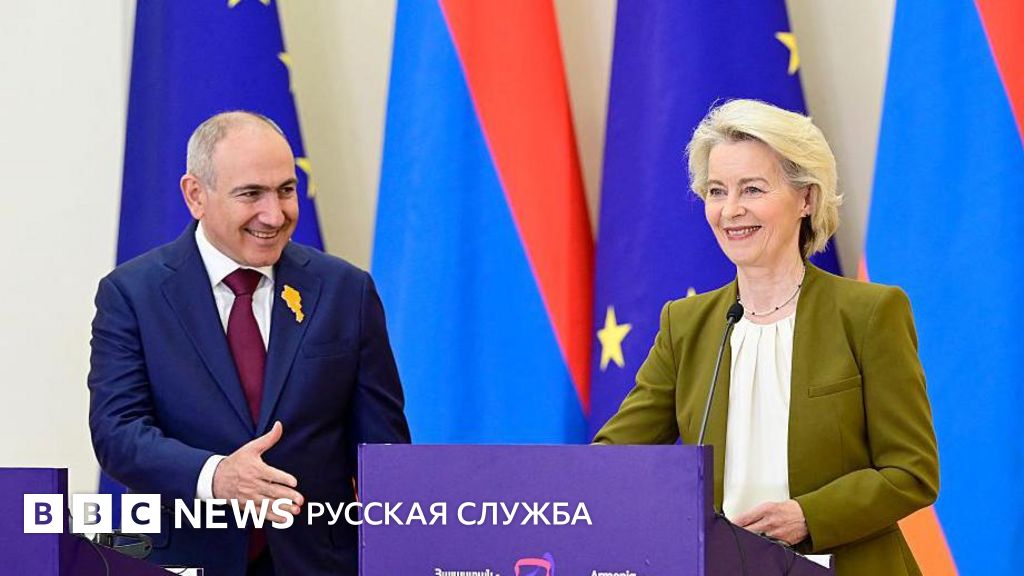
Armenia’s EU Pivot Tests Russia’s Grip in the Caucasus
Yerevan is using its first EU summit to signal a strategic turn west, but Moscow still holds the hard levers: energy, trade, and coercion.
Armenia is not breaking with Russia yet—but the summit with the EU in Yerevan marks the clearest public move so far to reprice that relationship. The European Political Community gathered in the Armenian capital on May 4, followed by the first-ever EU–Armenia summit on May 5, with leaders presenting Armenia as a country “turning towards Europe” after years of frustration with Moscow’s security record. BBC
France 24
Why Yerevan is making the move
Prime Minister Nikol Pashinyan’s pitch is straightforward: Armenia’s old security architecture failed when fighting with Azerbaijan exposed the limits of Russian protection, and diversification toward Europe is now a political necessity. Armenia’s parliament passed a law in March 2025 to begin the EU accession process, but Brussels has offered no membership timetable, no defense guarantee, and no replacement for Russian gas. BBC
DW
That makes this summit less about imminent accession than about political signaling before Armenia’s June parliamentary elections. Brussels is backing the government with a civilian mission aimed at countering disinformation, cyberattacks, and illicit finance—exactly the tools Russia has been accused of using to shape Armenia’s information space. BBC
DW
Who gains, who loses
The immediate winner is the Armenian government: it gets European visibility, election-season support, and a diplomatic counterweight to Moscow. The EU also gains a foothold in the South Caucasus at a moment when its leaders are worried about wider security fragility and overdependence on the United States. Macron used the Yerevan meetings to argue Europe must reduce its reliance on Washington; that broader message makes Armenia a useful stage for EU strategic autonomy rhetoric. BBC
France 24
Russia, by contrast, loses monopoly leverage but not coercive power. Moscow still sells Armenia gas at a preferential rate and keeps a military base on Armenian soil; it has already shown irritation by tightening pressure through trade and border controls, including a ban on Armenian mineral water days before the summit. BBC
BBC
For Global Politics, this is a familiar pattern: Europe can offer political backing, but Russia still controls the near-term costs.
What to watch next
The next real decision point is Armenia’s June vote. If Pashinyan wins, expect deeper EU engagement, more Russian information pressure, and likely more economic signaling from Moscow. If he weakens, the EU’s “turn toward Europe” risks becoming a slogan without follow-through. The key date is the election; the key question is whether Brussels is prepared to match symbolism with material support.
Discover more
India
Romanian Coalition Party Demands PM Resign
Romania's Social Democrats withdrew from coalition, joining far-right AUR to topple PM Bolojan, risking €10 billion in EU funds by August 2026.

Global Politics
US Seizes Iranian Ship, Tensions Surge
The US seizure of the Iranian ship Touska highlights a shift in control over the Strait of Hormuz, favoring Iran's strategic position.

Conflict & Security
Drone Warfare Killing Aid Workers at Unprec
Over 1,000 humanitarian workers killed in three years as cheap armed drones collapse legal protections. Gaza, Sudan, Ukraine, and DRC see deliberate targeting of aid convoys and hospitals with zero prosecutions.

Global
World Normalises Taliban as Afghan Women Eras
UN data shows Afghan women erased from public life as Russia recognises the Taliban, EU hosts officials in Brussels, and ICC warrants for gender persecution go unenforced.