Argentina Enters Ecuador Activist Case
Ecuador accepts Argentine forensic experts for investigation.
Model Diplomat3 min readSouth America

Now I have sufficient material. Let me write the analysis piece:
Argentina Enters Ecuador Activist Case—Signaling Doubt on Suicide Ruling
Ecuador accepts Argentine forensic experts to investigate Polish activist's death after initial suicide claim drew international scrutiny.
On Monday, Ecuador's Foreign Ministry announced that two Argentine forensic experts would serve as independent observers in the investigation into the June 8 death of Monika Silva Koniuszek, a Polish anti-corruption activist found in her Montañita home. The move signals a reversal of Ecuador's initial narrative—one week earlier, Interior Minister John Reimberg had declared the death a suicide based on "signs found at the scene."
The shift exposes fractures in the Ecuadorian state's handling of a case that has drawn the scrutiny of the European Union, Poland, and the Inter-American Commission on Human Rights. It also reflects the leverage international pressure exerts when a death involves a high-profile dissident in a country where journalist and activist killings are no longer anomalies.
Who Silva Was and Why Officials Moved
Silva was president of La Integridad Foundation, a civic oversight organization, and had spent more than a decade investigating land trafficking, public contracts, and environmental violations in Santa Elena province. Her work had documented what she claimed were political connections to property disputes. Months before her death, she had reported receiving threats and had traveled to the U.S. Embassy in April to file a detailed corruption complaint.
When police found her body on June 8, Reimberg moved quickly to close the narrative. He told local radio that "the necessary evidence" to conclude suicide was present at the scene—a statement made before the autopsy was completed. But local media outlets began questioning the initial account within days, and by June 10,
the EU delegation called for an "independent" and "transparent" investigation, a diplomatic euphemism signaling disbelief.
Poland's embassy, the CIDH, and Ecuador's own Prosecutor's Office followed suit. The prosecutor announced a request for international technical cooperation—a rare acknowledgment of credibility gaps in the local chain of custody.
The Broader Cost
Silva's death occurred as part of a grimmer pattern in Ecuador. The same month, authorities confirmed the deaths of eight missing youths found in rural areas, part of dozens of disappearances attributed to military operations since early 2024. A journalist community correspondent in the same province, Robinson del Pezo, was killed in November 2025 after investigating similar land-trafficking allegations. Silva had demanded justice for him.
The arrival of Argentine forensic experts does not constitute a true independent investigation—Ecuador retains control of the case and the final determination. But it does signal loss of control over the official narrative. Reimberg's statement on June 12 acknowledged the need for "velocity, rigor, and transparency," essentially walking back his initial conclusion. The government cannot dismiss foreign findings without additional credibility costs.
What Comes Next
Watch whether Argentina's experts are allowed to examine the autopsy findings, crime scene photographs, and death scene inventory. Their access, or restriction, will indicate whether Ecuador is using international presence as window-dressing or as an actual mechanism for review. Poland has also opened diplomatic channels; if their government observers arrive, the investigation becomes harder to control.
The deeper risk for the government: the activists and journalists now working in Santa Elena are attuned to this case. If the Argentine forensic report contradicts Reimberg's initial suicide ruling—and the speed of the government's reversal suggests officials expect it might—the credibility of Ecuador's security institutions faces a harder blow than any single death. Reputational damage of that scale typically outlasts any investigation.
Discover more
International Relations
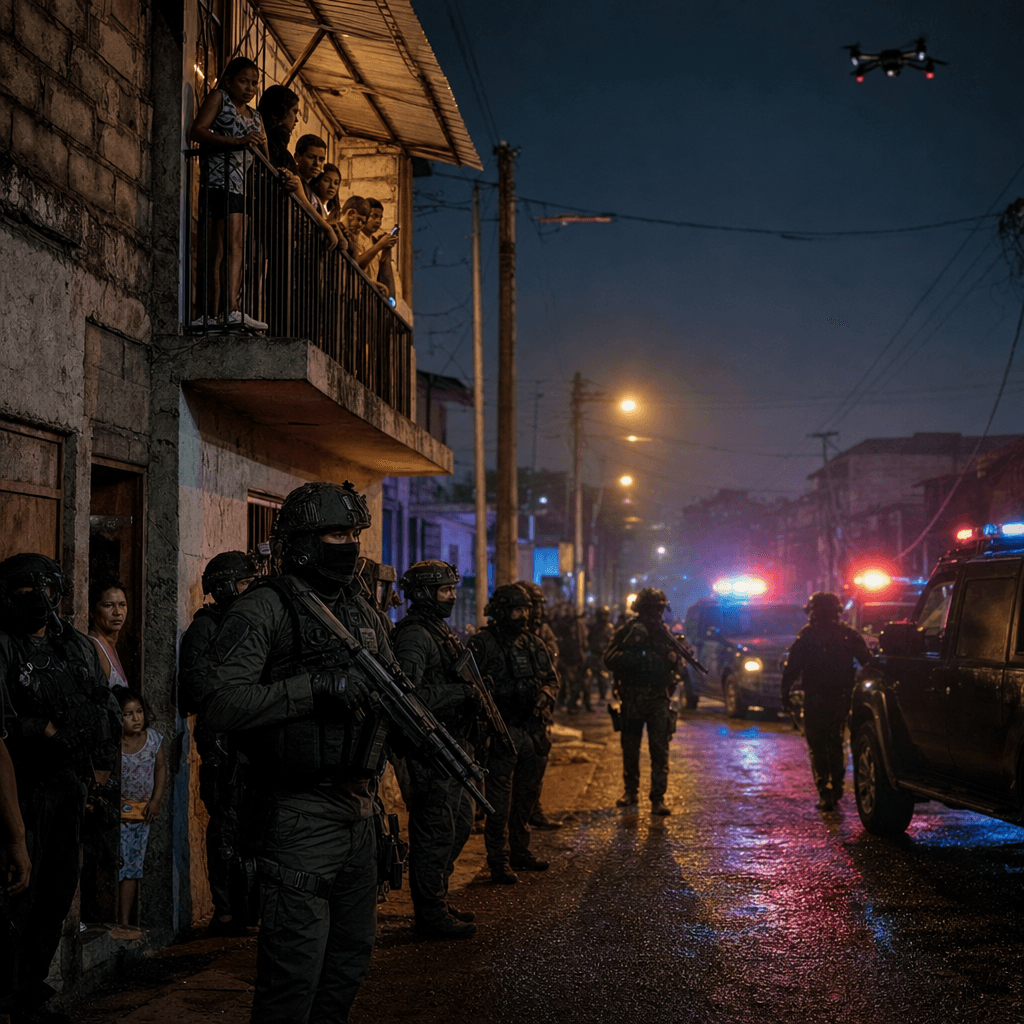
Ecuador’s Drug War
Ecuador's US-backed anti-drug campaign risks becoming a liability for Washington as abuse allegations mount, exposing human rights costs of the militarized war.

Conflict & Security
Drone Warfare Killing Aid Workers at Unprec
Over 1,000 humanitarian workers killed in three years as cheap armed drones collapse legal protections. Gaza, Sudan, Ukraine, and DRC see deliberate targeting of aid convoys and hospitals with zero prosecutions.
Global
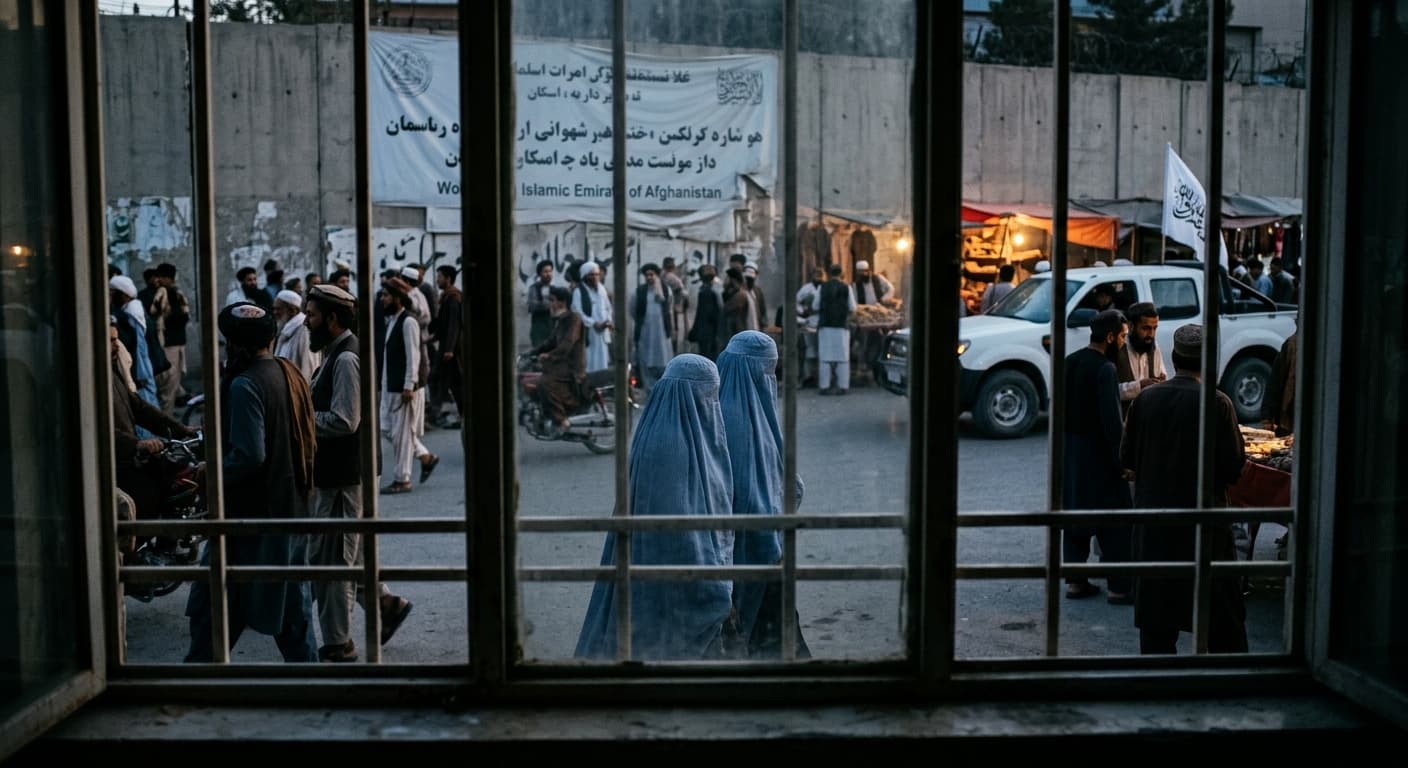
World Normalises Taliban as Afghan Women Eras
UN data shows Afghan women erased from public life as Russia recognises the Taliban, EU hosts officials in Brussels, and ICC warrants for gender persecution go unenforced.
Conflict & Security
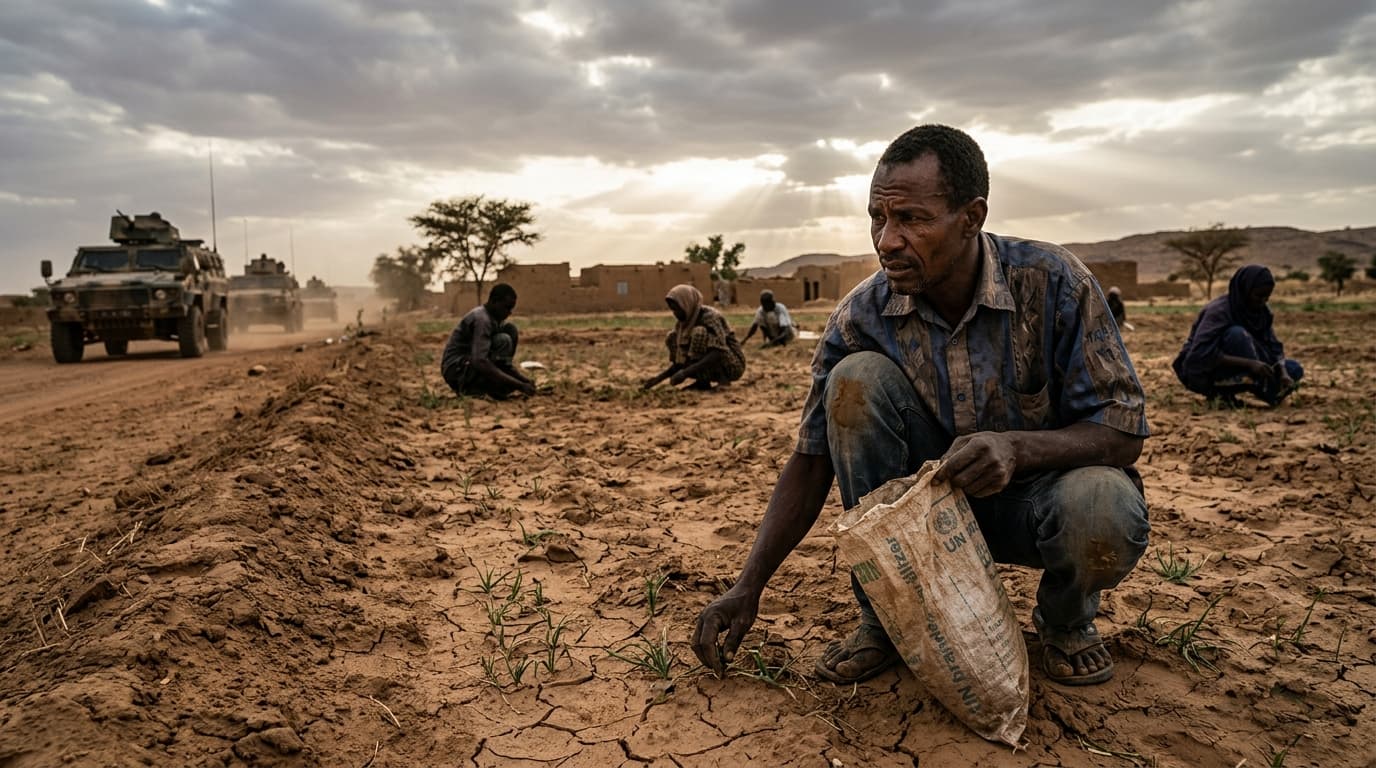
West Africa Food Crisis: Three Shocks in 2026
Conflict, climate extremes, and the Strait of Hormuz closure drive a severe food crisis in West and Central Africa, with fertilizer prices surging 80% and millions displaced.