AMVCA 2026: fashion now drives the power game
The AMVCA red carpet has become a soft-power market: stars, designers and sponsors use viral looks to turn attention into leverage.
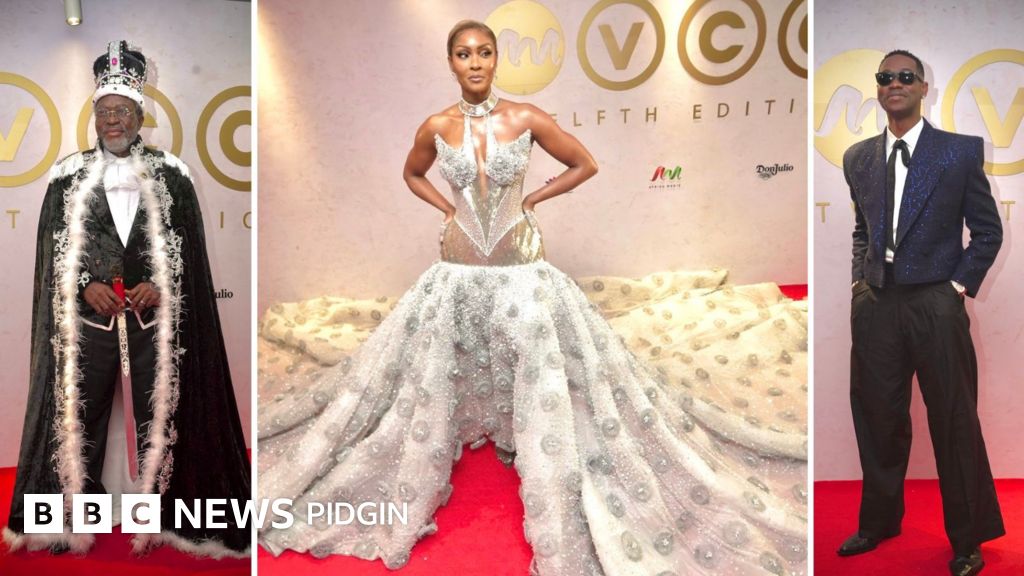
The biggest win at the 2026 Africa Magic Viewers’ Choice Awards was not on stage. It was on the carpet. BBC News Pidgin’s photo roundup shows how the Lagos ceremony on 9 May was built around looks designed to dominate attention — from Osas Ighodaro’s red-carpet presence to the broader parade of “ogbonge” outfits that turned the night into a fashion contest as much as an awards show ( BBC News Pidgin).
That is the real power dynamic at AMVCA now. The event is no longer only a film industry ritual; it is a distribution channel for celebrity brand value, designer prestige and social-media reach. BBC’s broader coverage makes the point clearly: the ceremony at Eko Hotel and Suites in Lagos is one of Africa’s biggest cultural showcases, where celebrities compete to be best dressed even when the official prize goes elsewhere ( BBC News). With the formal best-dressed category removed this year, the race for attention simply moved outside the award list and into the feeds.
The carpet is the message
This is why the evening’s most visible names were not always the winners on stage. Queen Mercy Atang’s bread-inspired dress, Nana Akua Addo’s cathedral-shaped silver architecture, and Uche Montana’s red-and-gold “phoenix” look were all built for circulation, not subtlety (BBC News). Pulse Nigeria’s coverage shows the same pattern: stars arrived in Aso Oke, Kente, Isiagu and other highly legible African fabrics that packaged identity as spectacle ( Pulse Nigeria).
That matters because AMVCA is now a market for influence. Designers gain visibility, stylists gain clients, and celebrities convert one night of curated glamour into weeks of media reuse. For  Africa / International audiences, the red carpet does not just reflect African creative power; it exports it.
Who benefits from the spectacle
The beneficiaries are specific. Fashion houses like Veekee James, Deji and Kola, and other local designers get the kind of exposure that traditional advertising cannot buy at this scale (BBC News). Broadcasters and sponsors win too: the event’s value rises when photos, not just trophies, drive the conversation. Even the ceremony’s film winners benefit indirectly. BBC’s Pidgin report notes that 2026 carried 32 categories, with major recognition for titles such as My Father’s Shadow, To Kill a Monkey and Gingerrr (BBC News Pidgin).
But the downside is obvious: when fashion becomes the main event, the awards can be crowded out. That is not a failure of the ceremony. It is a sign of leverage. The people with the strongest visuals — and the best media machine — control the night.
What to watch next
Watch whether this year’s attention converts into bookings, brand deals and international visibility for the designers and actors who owned the carpet. Also watch whether AMVCA’s film winners can hold the headline after the red-carpet cycle fades. The next test is simple: by the time the post-event chatter dies down, did the night strengthen Nollywood’s commercial reach — or just produce a few more viral photos?