Amit Shah’s UCC Promise and Tribal Votes
Shah aims to ease tribal concerns over UCC implementation.
Model Diplomat3 min readAsia
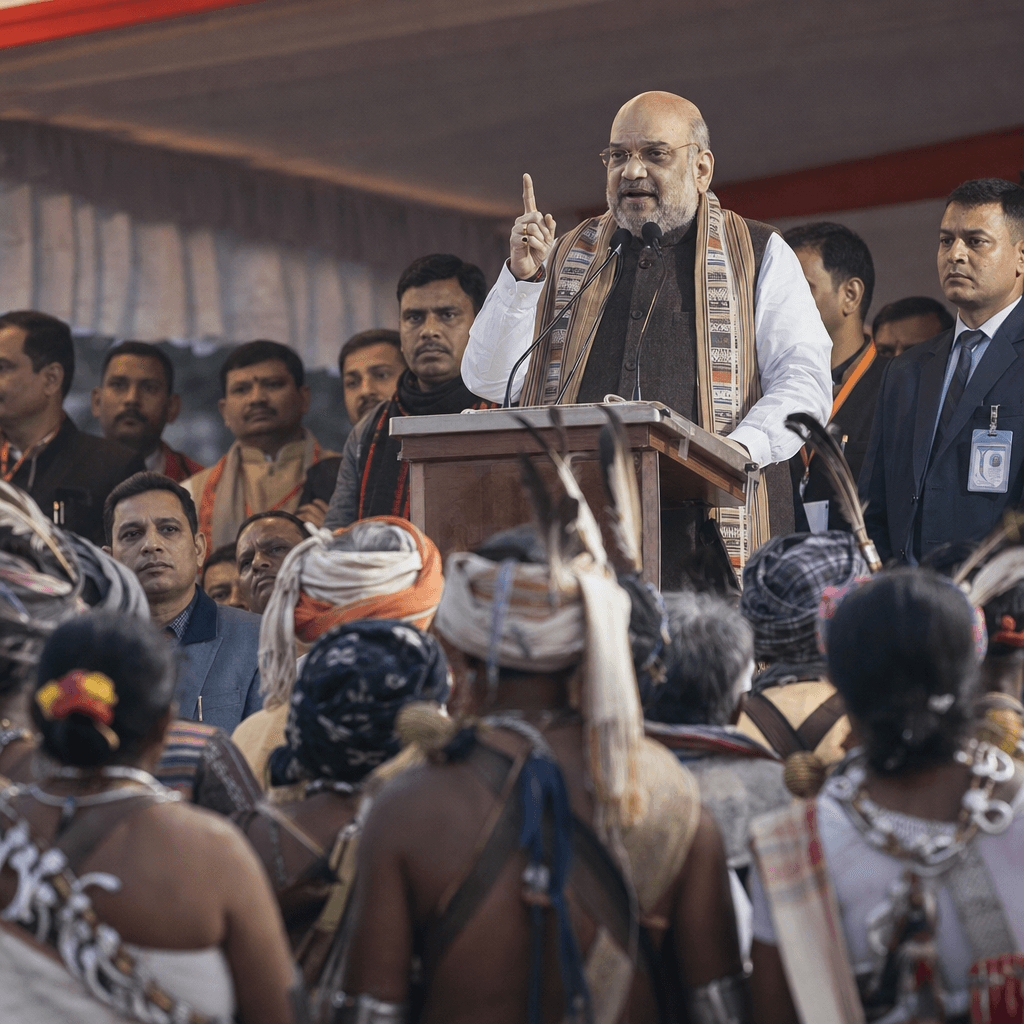
Amit Shah’s UCC Promise Is About Tribal Votes, Not Law
Shah is trying to neutralize tribal resistance to the UCC without diluting the BJP’s ideological push; the real contest is over political trust in tribal belts.
Union Home Minister Amit Shah moved to shut down a politically sensitive line of attack on Sunday, telling a large tribal gathering in Delhi that the Uniform Civil Code would not apply to tribals and would not touch their customs or rights, according to The Indian Express. The message was not just legal reassurance. It was aimed at preventing the BJP’s own UCC campaign from colliding with tribal anxieties over customary law, reservation, and identity.
Why Shah is making the carve-out explicit
The venue matters. Shah was speaking at the “Janjati Suraksha Samagam,” organized by the RSS-linked Janjati Suraksha Manch and Vanvasi Kalyan Ashram, where the tribal question was already framed around identity protection and conversion politics, not just civil code reform, The Indian Express. In the same speech, he warned against conversions “through allurement or by force,” underscoring that the BJP is bundling UCC, faith, and tribal culture into one political narrative.
That is deliberate. The party cannot afford to let the UCC become shorthand for majoritarian intrusion in tribal regions, especially in states where customary practices still shape marriage, inheritance, and land relations. Shah’s promise that tribals will be kept outside the UCC is meant to preserve the BJP’s credibility in those belts while keeping the broader codification project alive.
The line is not new. During the Jharkhand election campaign, Shah had already said tribals would be exempted wherever the UCC is brought in, and that their customs and laws would be kept outside its scope, The Indian Express. Sunday’s remarks are a repetition with a wider audience: not a policy reversal, but a political guarantee.
The bigger fight is over tribal identity
This is where the leverage sits. Shah is speaking to two audiences at once: tribal communities wary of losing autonomy, and the BJP’s Hindu-nationalist base that sees the UCC as a long-term ideological goal. By promising an exemption, he is trying to prevent tribal opposition from becoming a blocking coalition against the code.
At the same event, however, the tribal agenda went well beyond UCC. Organisers were also pressing for a “delisting” law to remove converted tribals from the Scheduled Tribe category, a demand that has gained momentum within sections of the Sangh Parivar, Outlook India. That creates the real political tension: the BJP is trying to reassure tribals on civil law while empowering a movement that wants to redraw the boundaries of tribal identity itself.
For the BJP, the upside is obvious. It can present itself as both the defender of tribal custom and the champion of legal uniformity. For opponents, the opening is narrower: they will struggle to argue that Shah is targeting tribal law directly when he has now promised an exemption in public, twice. But they can still attack the larger project as selective, ideological, and dependent on who gets to define “tribal” in the first place.
What to watch next
The next decision point is whether this verbal assurance turns into a written carve-out in any fresh UCC draft, and whether state governments echo it in legislative text. Watch the reactions from tribal organisations over the next few days, and whether the delisting campaign becomes the more explosive issue than the UCC itself. If the BJP can separate those two fights, it wins time. If it cannot, the tribal exemption promise will look less like reassurance than damage control.
Discover more
India
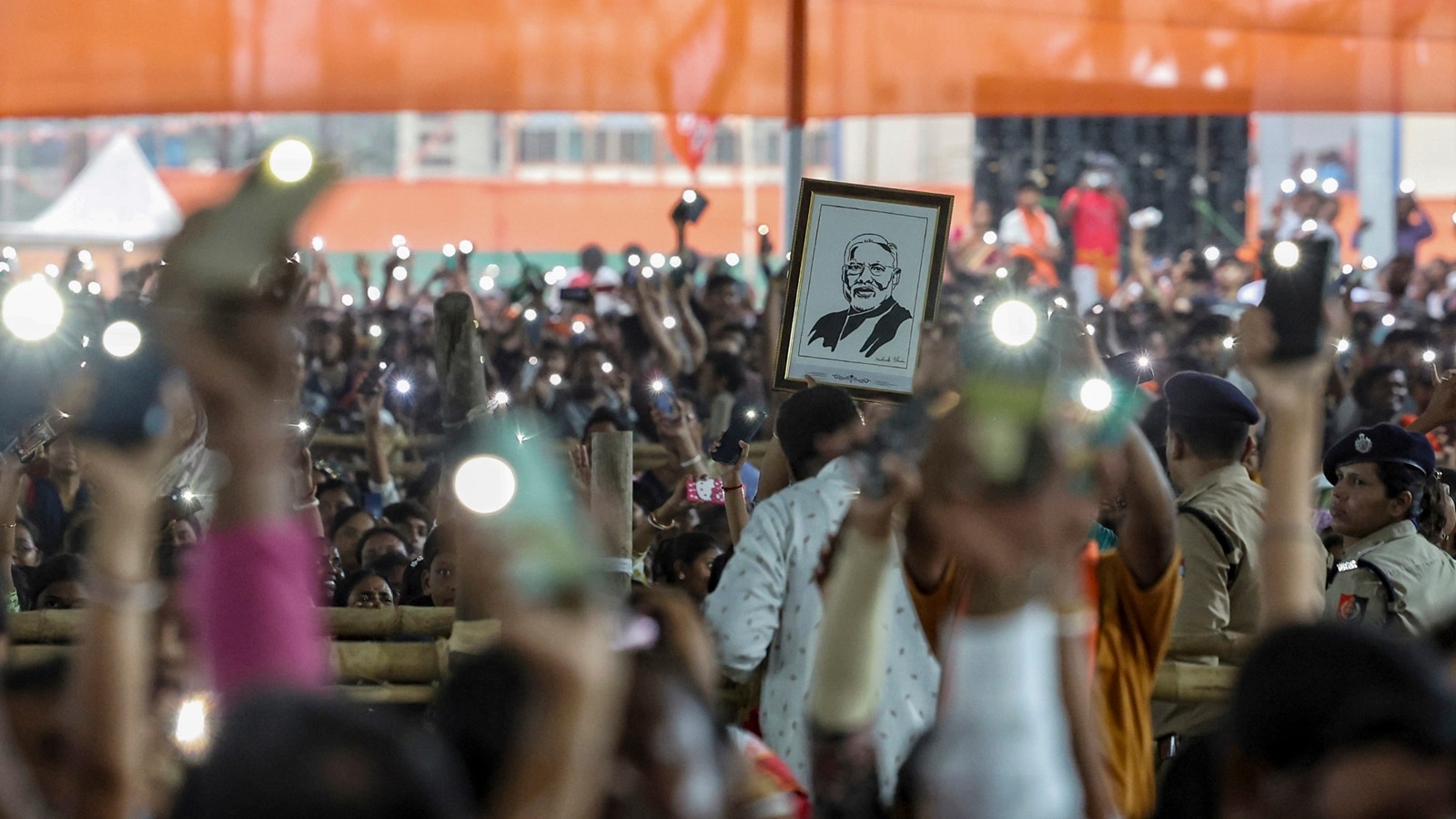
Modi's Women’s Convention in Varanasi
Modi's Varanasi rally frames women's reservation as a national mission, targeting the 2027 Uttar Pradesh elections with a strategic narrative.
India
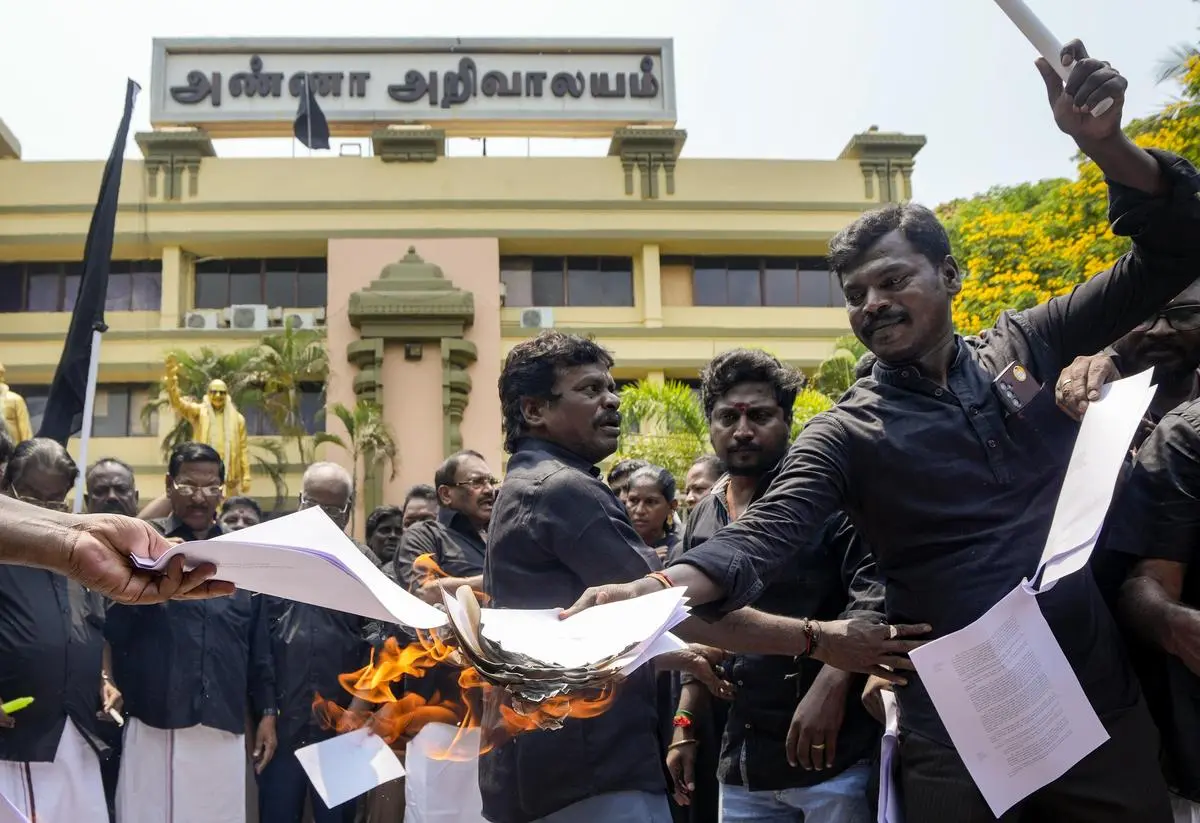
Women’s Reservation Bill 2026
The Constitution (131st Amendment) Bill, 2026 was defeated in Lok Sabha, revealing deeper political conflicts over women's reservation and delimitation.
India
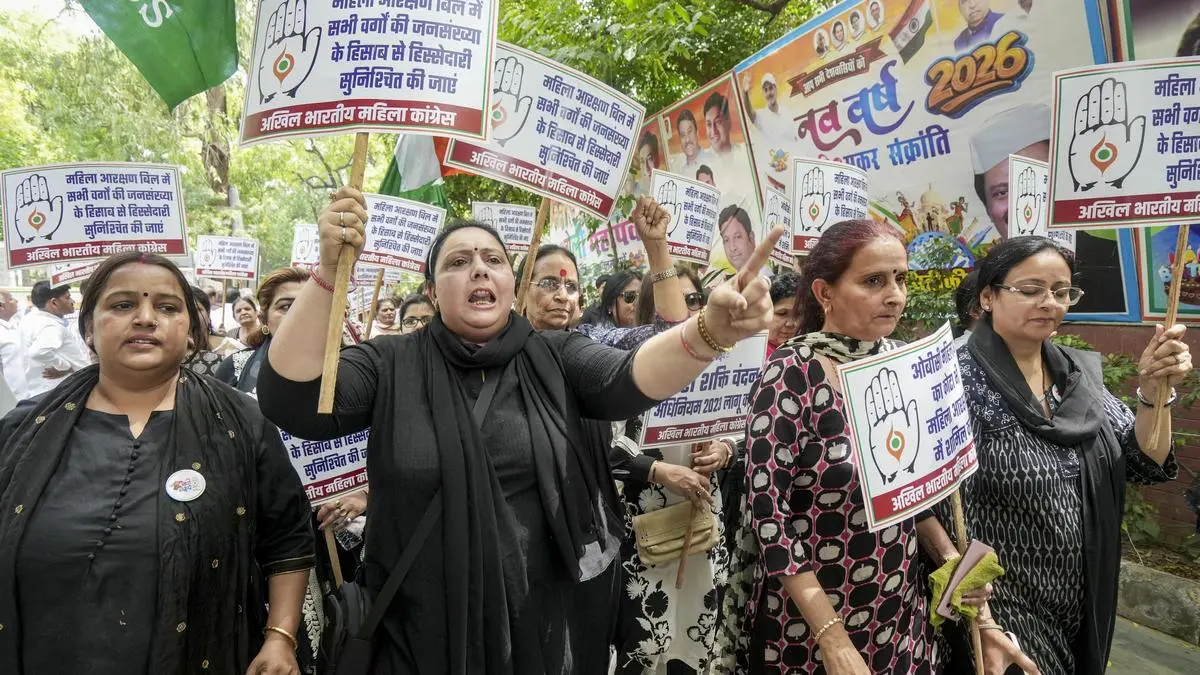
BJP's Misunderstanding of Women's Quota Needs
The BJP's linking of the Women Reservation Bill to delimitation risks delaying women's empowerment in India, misreading the aspirations of female voters.

Economics
Fed's Amex AML order puts correspondent banking on notice
Federal Reserve's Amex AML order requires board-level controls and a 90-day plan; OCC fined the bank $350 million over enterprise-wide deficiencies.