

America's Utility Shutoffs
3 min readUnited States

Federal data reveals alarming power disconnections in 2024.
America's 13 Million Shutoffs — and Washington Is About to Make It Worse
Federal data reveals 13.4M power disconnections in 2024. With LIHEAP on the chopping block, the safety net protecting vulnerable households is fraying fast.
A federal report released last week put a precise number on a quiet crisis: U.S. utility companies cut power to American homes 13.4 million times in 2024, and severed gas service 1.7 million more. The figures, reported by the Washington Post, represent the first systematic federal collection of disconnection data at this scale — which itself is a telling detail. For years, the scope of utility shutoffs was an educated guess. Now there's a number, and it's large.
Who's Holding the Lever — and Who's Getting Cut
Utility companies are the immediate actors here, but the structural pressure runs deeper. Electricity prices rose 4.8% and piped natural gas 10.9% year-over-year into 2024, according to national pricing data, squeezing households whose incomes didn't keep pace. In states like West Virginia, utility bills have already surpassed rent and mortgage payments for significant numbers of residents — a signal that the problem is concentrated among fixed-income, elderly, and low-income customers who have the least leverage to negotiate payment plans or switch providers.
The data lands against a specific federal backdrop. The Low Income Home Energy Assistance Program (LIHEAP) — a $4 billion annual federal program that has historically served as the primary buffer between struggling households and disconnection — is now proposed for complete elimination in the Trump administration's FY2027 budget request. The White House submitted that proposal on April 3, 2026, bundled with roughly $73 billion in nondefense domestic cuts, according to CNN's reporting on the budget. LIHEAP has survived prior elimination attempts — Trump tried to kill it before — because Congress historically kept it alive. This time, the political environment is tighter.
The Structural Angle
The 13.4 million figure is almost certainly an undercount. Because federal data collection on shutoffs was not previously standardized, reporting methodologies vary by utility. What the number does do is establish a baseline — a floor, not a ceiling — that advocates and regulators can now use in rate-setting disputes, legislative testimony, and court challenges to disconnection policies.
The beneficiaries of the status quo are the utilities themselves, which use shutoffs as the primary enforcement mechanism for bill collection, and the federal government, which avoids the fiscal exposure of expanding energy assistance. The losers are concentrated: low-income renters, elderly customers on fixed incomes, and households in high-cost rural energy markets with no competitive alternatives.
Congress retains appropriations authority, and several Republican senators from high-utility-cost states — including from Appalachia — have in past cycles broken with White House proposals to kill LIHEAP. That's the fault line to watch.
For broader context on how federal budget priorities are reshaping domestic social programs, see US Politics and
International coverage at Diplomat Briefing.
What to Watch Next
Two near-term decision points define the stakes. First, congressional appropriations markups expected in May–June will determine whether LIHEAP survives in any form for FY2027 — watch the Senate Energy and Water subcommittee. Second, state-level utility commissions are now under pressure to respond to the federal disconnection data directly; several are considering mandatory payment-plan requirements or seasonal shutoff moratoriums. Any commission orders issued before summer — peak cooling season — will signal whether state regulators are filling the federal gap or waiting for Washington. Neither is guaranteed.
Keep reading
US Politics
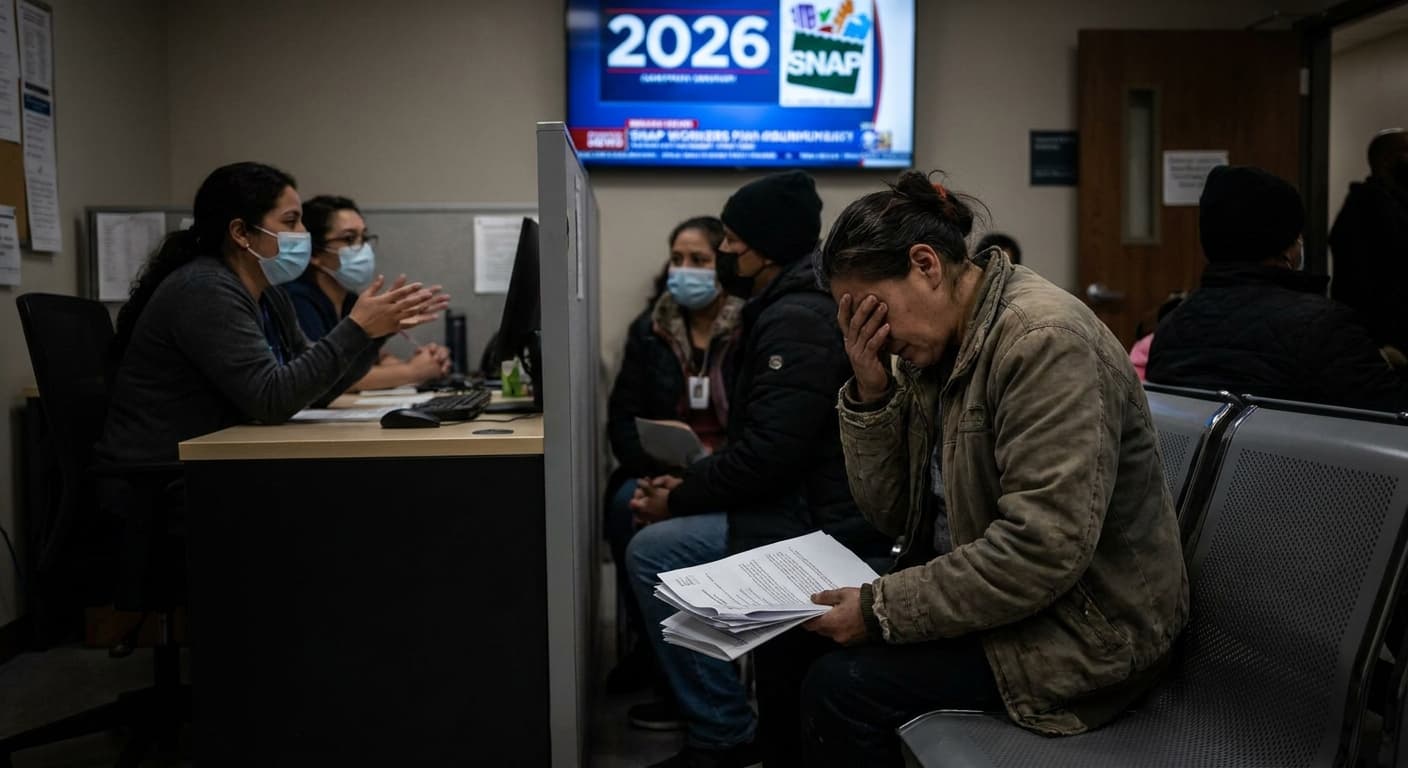
SNAP Food Assistance Faces Legal Challenges
In 2026, SNAP faces stricter rules and legal challenges, impacting 42 million Americans reliant on food assistance amid budget cuts.
US Politics
House Ethics Committee Pushes Sexual Miscond.
The House Ethics Committee's public request for misconduct reports marks a shift towards transparency and accountability in Congress.

India
Women’s Reservation Bill 2026
The Women’s Reservation Bill's defeat reveals a deeper battle over delimitation, impacting India's electoral landscape and gender representation.