Allahabad HC Ruling on Kinnar Rights Debate
Court blocks kinnar territory claims amid legislative changes.
Model Diplomat3 min readAsia
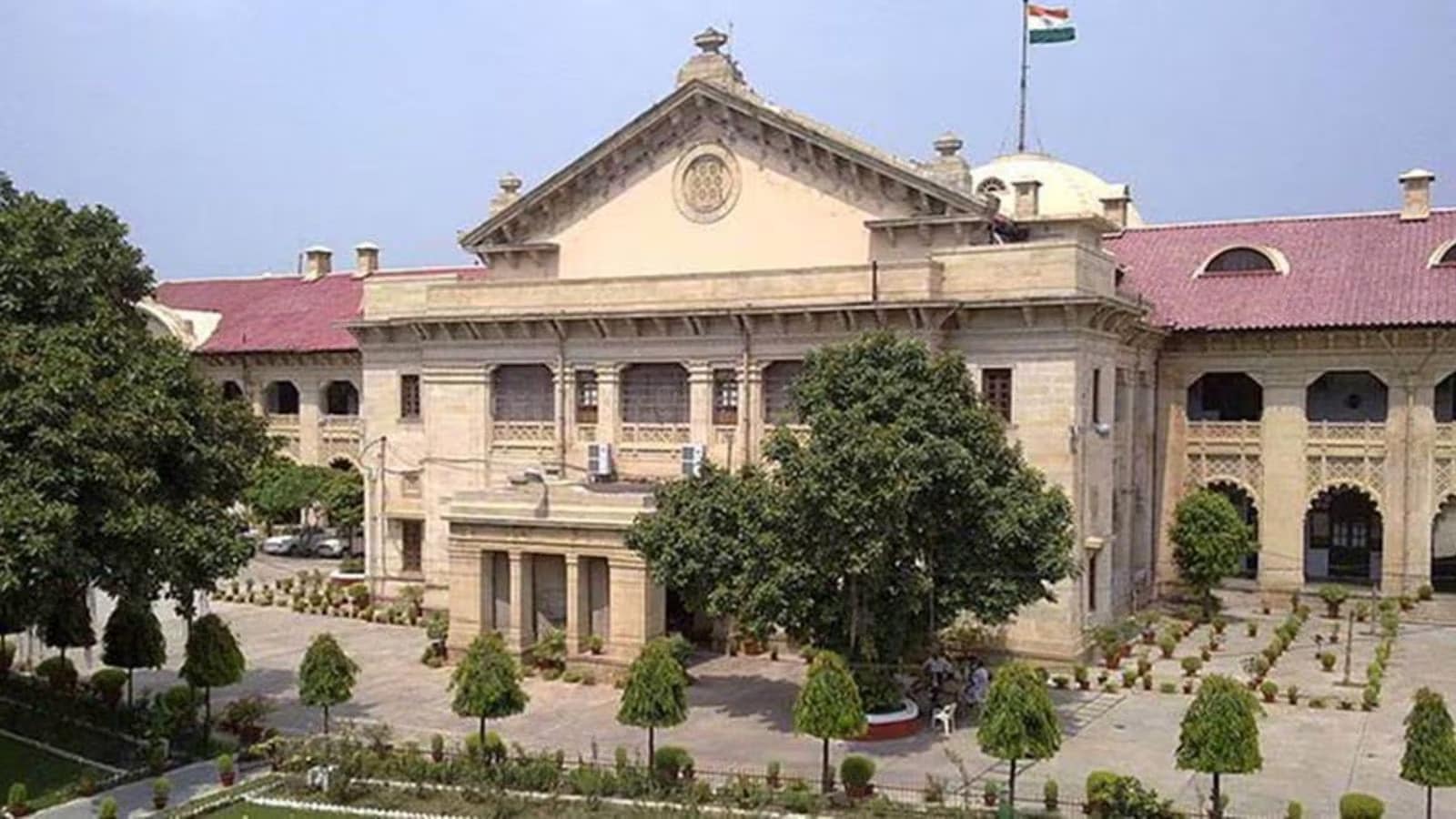
Allahabad HC Blocks Kinnar Territory Claim — But the Bigger Fight Is in Parliament
India's courts are drawing one boundary for transgender economic rights just as Parliament rewrites another, leaving the community squeezed from both sides.
The Allahabad High Court has dismissed a petition from a kinnar group seeking government-demarcated territories for collecting money from households and businesses — a practice rooted in India's traditional hijra economy. The court was unambiguous: "We can't allow extraction of money," finding the demand had no legal backing and amounted to state-sanctioned coercion of citizens. The petition asked the court to direct the Uttar Pradesh government to carve out exclusive geographic zones where kinnar groups could claim collection rights, effectively formalizing a custom that has operated informally for generations.
Why This Ruling Is About More Than Turf
The kinnar collection economy — known as badhai, the practice of offering blessings at births, weddings, and housewarmings in exchange for cash — is not simply folklore. For tens of thousands of transgender Indians excluded from formal employment, it functions as a primary income source. Formalizing territorial rights would have given it legal standing; the court's dismissal leaves it in a grey zone where practitioners are exposed to harassment, police action, and — as a 2024 Hyderabad case illustrated — conflation with extortion when the line between tradition and coercion blurs.
The court is not wrong on narrow legal grounds. India's Transgender Persons (Protection of Rights) Act, 2019 does not authorise geographic monopolies for income collection by any group. But the ruling sidesteps a structural problem: the Act promised welfare, employment, and rehabilitation pathways that have not materialised at scale, pushing communities back to informal collection as a livelihood of last resort.
Parliament Is Making This Worse
The courtroom defeat arrives at the worst possible moment legislatively. The Transgender Persons (Protection of Rights) Amendment Bill, 2026, passed by the Lok Sabha on March 24, 2026, and cleared the Rajya Sabha, now awaits presidential assent. The bill strips the right to self-identification — the cornerstone of the 2014 Supreme Court NALSA v. Union of India verdict — and replaces it with medical board certification, per The Hindu. A Supreme Court-appointed advisory panel led by Justice Asha Menon has called for the bill's withdrawal, warning it reverses hard-won protections.
Who loses: Kinnar and hijra communities face a pincer. Courts won't legitimise their traditional economy. Parliament is narrowing their legal identity. Formal employment remains largely inaccessible. Who holds leverage: The Ministry of Social Justice, which drafted the 2026 amendment, and state governments like Uttar Pradesh, which control both welfare delivery and police discretion over informal collection practices.
The Rajasthan High Court offered a counterpoint on March 30, 2026, directing the state to adopt horizontal reservations for transgender persons across all quota categories — a structural fix the Allahabad ruling gestures nowhere near. That divergence between high courts signals this will eventually land at the Supreme Court.
What to Watch
Presidential assent on the 2026 Amendment Bill is the next hard trigger — if signed, a constitutional challenge citing NALSA is near-certain. Separately, watch whether the UP government responds to the Allahabad dismissal by increasing enforcement against informal collection, which would strip livelihood from thousands with no replacement mechanism in place. The international dimension matters too: UN treaty bodies have flagged the 2026 bill; India's Universal Periodic Review is due in 2027, and this ruling will feature.
Discover more
India
BJP Congress Clash Over MP Bill Defeat
The BJP's defeat of the women's quota amendment sparks a political narrative war with Congress, impacting future elections.
India
Women’s Reservation Bill 2026
The Constitution (131st Amendment) Bill, 2026 was defeated in Lok Sabha, revealing deeper political conflicts over women's reservation and delimitation.

Conflict & Security
Drone Warfare Killing Aid Workers at Unprec
Over 1,000 humanitarian workers killed in three years as cheap armed drones collapse legal protections. Gaza, Sudan, Ukraine, and DRC see deliberate targeting of aid convoys and hospitals with zero prosecutions.

Global
World Normalises Taliban as Afghan Women Eras
UN data shows Afghan women erased from public life as Russia recognises the Taliban, EU hosts officials in Brussels, and ICC warrants for gender persecution go unenforced.