Alabama Redistricting Ruling Blunts GOP
Federal judges block Alabama's new House map, preserving Black-majority district.
Model Diplomat3 min readNorth America
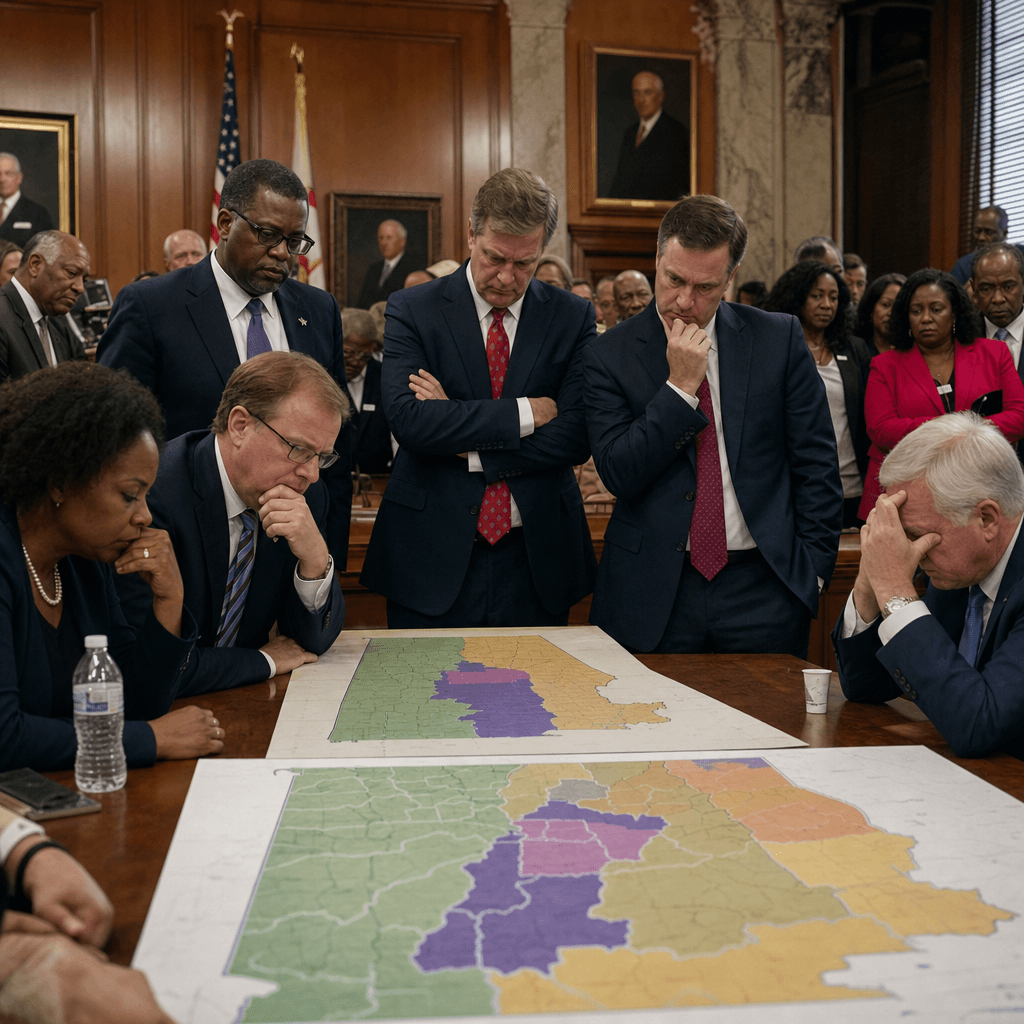
Alabama Redistricting Ruling Blunts GOP Midterm Gambit
Federal judges blocked Alabama’s new House map, preserving a second Black-majority district and slowing Republicans’ bid to squeeze out another seat.
Alabama Republicans lost the immediate fight to redraw the state’s congressional map for their advantage when a federal court blocked the plan and kept in place the court-ordered map with a second majority-Black district, according to Reuters and
The New York Times. The ruling means Alabama will not, for now, use a map designed to eliminate one of the two districts with large Black populations and give Republicans a better shot at winning more House seats in November, Reuters reported. The state can appeal directly to the Supreme Court, but the calendar is now working against the GOP, not for it.
What the ruling changes
The practical winner is clear: Democrats, Black voters, and Rep. Shomari Figures, the Democrat elected in 2024 under the court-ordered map, keep their footing for now, while Alabama’s Republican leadership loses a chance to flip a seat before the midterms, Reuters reported. The three-judge panel said the state’s new lines amounted to intentional discrimination against Black voters, and the court refused to let Alabama run the 2026 elections under a plan it viewed as tainted,
The New York Times reported.
That matters because House control is likely to hinge on a handful of seats, and Alabama was one of the clearest Republican opportunities to manufacture an extra advantage before voters go to the polls. The state’s fight is not just about one district; it is about whether post-2024 redistricting can still be used as a partisan tool even after courts have repeatedly warned against crossing the line into racial dilution. For a broader view of the national map fight, see Global Politics.
Why this is bigger than Alabama
This ruling lands inside a broader Republican push, accelerated after the Supreme Court in April weakened protections for districts with significant Black or Latino populations, Reuters reported. That change invited state-level attempts to redraw maps quickly, but Alabama shows the limits of the strategy: even with a friendlier legal environment, lower courts can still block maps they see as discriminatory.
The beneficiary here is not just Alabama Democrats. Nationally, any state that hoped to turn the new Supreme Court landscape into immediate seat gains now has to worry about litigation, timing, and the risk of judicial reversal. That is why Alabama is a warning shot for other Republican-led states considering similar moves. It also shows how quickly the redistricting battlefield has become a live midterm weapon, not a slow post-census exercise. For the political baseline in the state, see United States.
What to watch next
The next decision point is the appeal. If Alabama Republicans ask the Supreme Court to intervene, the justices will have to decide whether to bless the new map or leave the lower-court order in place long enough for the election machinery to harden. The timing is tight: The New York Times reported that Gov. Kay Ivey has already set special primaries in August for districts affected by a potential new map.
If the court does nothing, the court-ordered map stays in force and Republicans miss one of their best midcycle chances to pad their House numbers. If the justices step in, Alabama becomes the test case for how far the new redistricting climate can go before it collides with old voting-rights constraints.
Discover more

US Politics
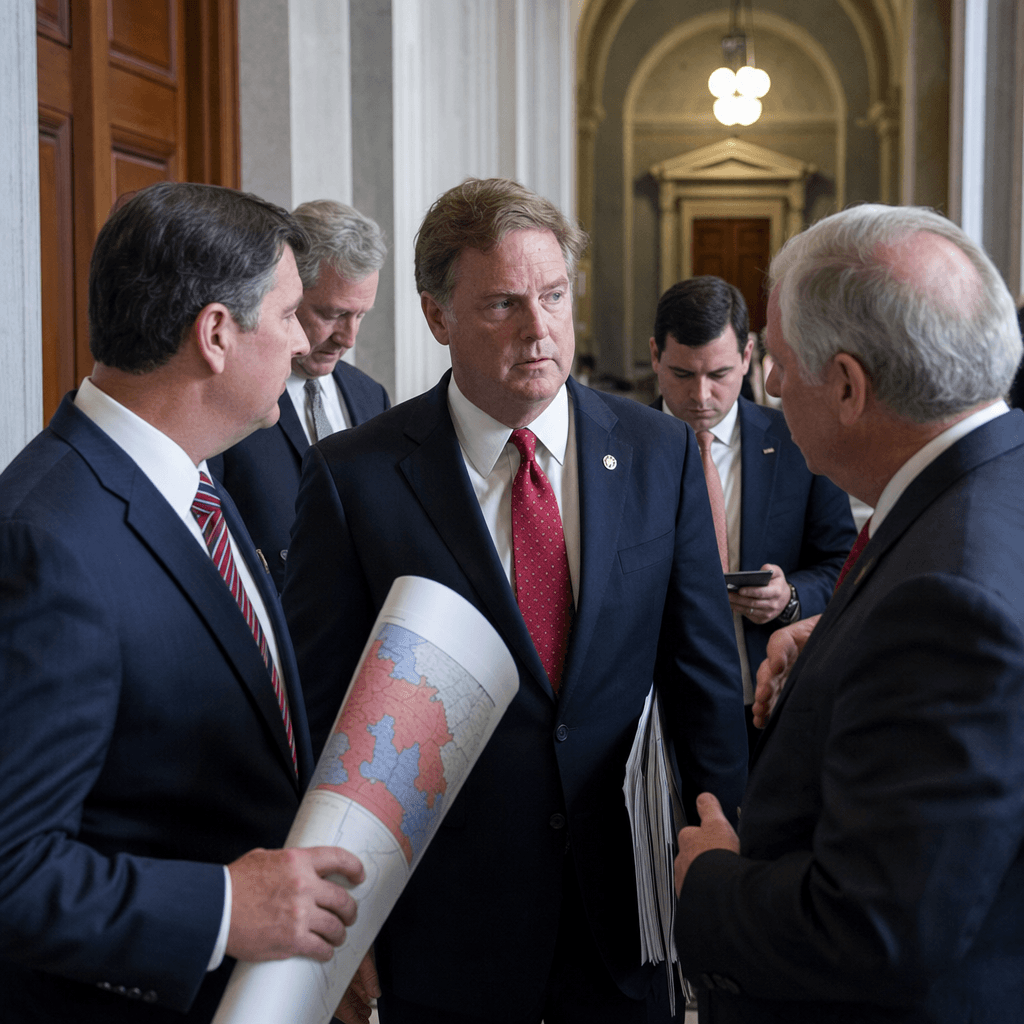
Alabama GOP Map Blocked by Federal Court
A federal court blocked Alabama's new GOP congressional map, preserving Black voter representation and reigniting the long redistricting fight over voting.
US Politics
Alabama GOP Pushes for New House Map Primar
Alabama Republicans bet that court rulings will reopen the state's House map, seeking redistricting gains in a fight tangled with voting rights and elections.

Economics
Fed's Amex AML order puts correspondent banking on notice
Federal Reserve's Amex AML order requires board-level controls and a 90-day plan; OCC fined the bank $350 million over enterprise-wide deficiencies.

Conflict & Security
Guatemala: El Niño 2026–27 becomes regional security test
UNICEF: 25.8M children face El Niño risks in Latin America; Guatemala maps 188 municipalities for drought and food insecurity amid regional security test.