Akhilesh Yadav Questions Bengal Election Legi
Akhilesh Yadav pushes for Supreme Court oversight in Bengal elections.
Model Diplomat2 min readAsia

Akhilesh Turns Bengal Count Into a Supreme Court Fight
After BJP’s Bengal sweep, Akhilesh Yadav is pushing CCTV scrutiny and Supreme Court oversight to keep election legitimacy in play.
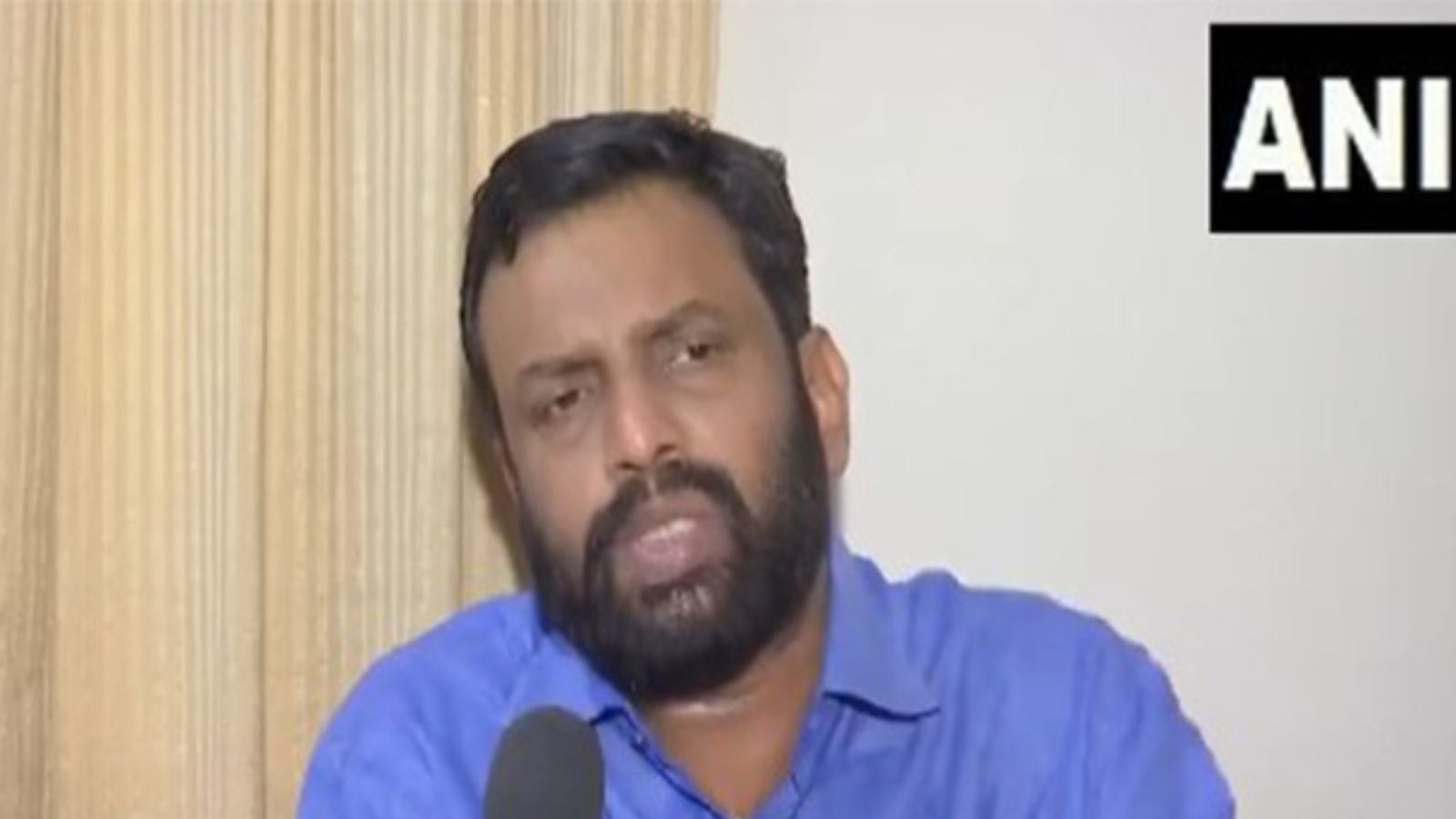
Akhilesh Yadav is not really talking about West Bengal. He is using Bengal to attack the credibility of the broader election machinery, and that is the point. At a press conference in Lucknow, the Samajwadi Party chief said the Supreme Court should take cognisance of the counting process and demanded that CCTV footage of vote counting be made public, after the BJP’s 207-seat landslide ended the TMC’s 15-year rule in the state, according to Hindustan Times.
Why this matters
The leverage here sits with the BJP and the Election Commission, not with Akhilesh. The BJP has already converted the result into a political mandate; the EC, for its part, has moved to harden the process by deploying 165 additional counting observers and 77 police observers in West Bengal after Supreme Court directions, according to The Hindu. That makes Akhilesh’s intervention less about changing the outcome than about keeping the legitimacy fight alive.
This is also a classic opposition move: if you cannot reverse the result, make the procedure the battleground. The demand for live or public CCTV footage is designed to imply that transparency has to be proven, not asserted. Akhilesh sharpened that argument by saying if court proceedings can be live, vote counting should be too, and he rejected the idea that he needed to have campaigned in Bengal to question the process, according to Devdiscourse/PTI.
The bigger opposition play
The immediate beneficiary is the TMC, which has also been alleging problems around the count. On Saturday, it complained to the Election Commission that postal ballot covers were being sorted in a room without CCTV coverage, according to The Hindu. That complaint and Akhilesh’s remarks reinforce one another: both are trying to frame the West Bengal count as a transparency problem, not just a defeat for the opposition.
For the INDIA bloc, this is useful but risky. It keeps the coalition speaking the same language — suspicion of the EC, pressure for disclosure, demands for oversight — even as the BJP uses the Bengal result to project inevitability. Akhilesh also has domestic reasons to stay in this lane: in Uttar Pradesh, he is preparing for a much larger fight, and positioning himself as a critic of election management costs him little.
What to watch next
The next pressure point is whether the Supreme Court or the Election Commission says anything new about counting-day footage, observers, or disclosure rules. If the court declines to intervene, the BJP gets a clean mandate story. If it entertains the complaint, the opposition gets a procedural opening heading into the next round of state-level contestation. For the broader political signal, watch whether Akhilesh keeps this framed as a Bengal issue or turns it into a national campaign line on India election transparency.
Discover more
India
CPI MP Accuses PM Modi of MCC Violations
CPI MP P Sandosh Kumar alleges PM Modi breached the Model Code of Conduct in Tamil Nadu, raising election integrity concerns before the 2026 Assembly polls.

Conflict & Security
Drone Warfare Killing Aid Workers at Unprec
Over 1,000 humanitarian workers killed in three years as cheap armed drones collapse legal protections. Gaza, Sudan, Ukraine, and DRC see deliberate targeting of aid convoys and hospitals with zero prosecutions.

Global
World Normalises Taliban as Afghan Women Eras
UN data shows Afghan women erased from public life as Russia recognises the Taliban, EU hosts officials in Brussels, and ICC warrants for gender persecution go unenforced.
Conflict & Security
West Africa Food Crisis: Three Shocks in 2026
Conflict, climate extremes, and the Strait of Hormuz closure drive a severe food crisis in West and Central Africa, with fertilizer prices surging 80% and millions displaced.