AAP's Rajya Sabha Crisis
Swati Maliwal's defection marks a major blow for AAP's leadership.
Model Diplomat3 min readIndia

AAP's Upper House Bloc Collapses as Maliwal Leads BJP Defection
Swati Maliwal's BJP switch, Raghav Chadha's removal as deputy leader, and a two-thirds Rajya Sabha defection mark AAP's deepest parliamentary crisis yet.
Swati Maliwal, once Arvind Kejriwal's hand-picked Rajya Sabha MP, has formally joined the BJP — declaring Kejriwal is "known for gundagardi" (thuggery) — as two-thirds of AAP's Rajya Sabha bloc defects in what amounts to the party's worst parliamentary hemorrhage since its founding. The move compounds an already turbulent April for AAP: the party just stripped Raghav Chadha of his deputy leader role in the Rajya Sabha after accusing him of refusing to participate in Opposition walkouts and avoiding sharp criticism of Prime Minister Modi. Two of AAP's most recognisable upper house faces are now either out of the party or openly at war with it.
The Anatomy of a Collapse
AAP's Rajya Sabha group was never large — the party holds its seats almost entirely through Delhi, a union territory where its electoral base has been visibly eroding. The BJP swept Delhi's assembly in early 2025 and has since used that foothold to accelerate defections at every level, from municipal councillors to, now, Rajya Sabha MPs. The anti-defection law under India's Tenth Schedule typically protects parliamentary blocs from individual floor-crossings, but a two-thirds defection threshold creates a legal merger exemption — which is precisely why this number matters. If two-thirds of AAP's Rajya Sabha MPs move collectively, they can merge with another parliamentary group without disqualification. That appears to be the playbook in motion.
Maliwal's trajectory is the sharper story. Elected on an AAP ticket in January 2024 as a women's rights advocate and former Delhi Commission for Women chief, she became a liability for Kejriwal after publicly alleging she was assaulted by a senior party aide at his residence — a charge AAP dismissed while calling her a "BJP puppet." That label is now formally accurate. Her crossing is not just symbolic; it strips AAP of one of its few credible non-Kejriwal faces in Parliament and hands the BJP a witness willing to testify against Kejriwal's character in the court of public opinion.
Chadha's situation is structurally different but equally damaging. His removal as deputy leader — confirmed by AAP's letter to the Rajya Sabha Secretariat — reflects a leadership style that has grown intolerant of internal ambiguity as the party contracts. Chadha hinted at retaliation, saying he is "silenced, not defeated." Whether he follows Maliwal to the BJP or carves an independent path will define AAP's remaining upper house arithmetic.
Who Benefits, Who Loses
BJP gains a defection narrative it can run nationally ahead of any state election cycle — evidence that AAP is not merely losing elections but dissolving as an organisation. Kejriwal loses the Rajya Sabha as a meaningful platform and gains another high-profile accuser with institutional credibility. Maliwal secures a BJP safety net and a national stage she would not have retained inside a diminished AAP. The Opposition bloc in the Rajya Sabha loses coherence at precisely the moment it needs numbers to contest BJP-backed legislation.
What to Watch Next
The disqualification petition timeline is the decisive variable. If AAP files against defecting MPs, the Rajya Sabha Chairman's ruling will determine whether the two-thirds merger exemption holds. Watch for Chadha's formal declaration — if he joins the defectors, AAP's upper house presence effectively ceases to function as a political unit. The next inflection point is any session where the government tables legislation requiring upper house passage; AAP's absence from that fight will be the clearest measure of what this week has cost Kejriwal.
Discover more
India
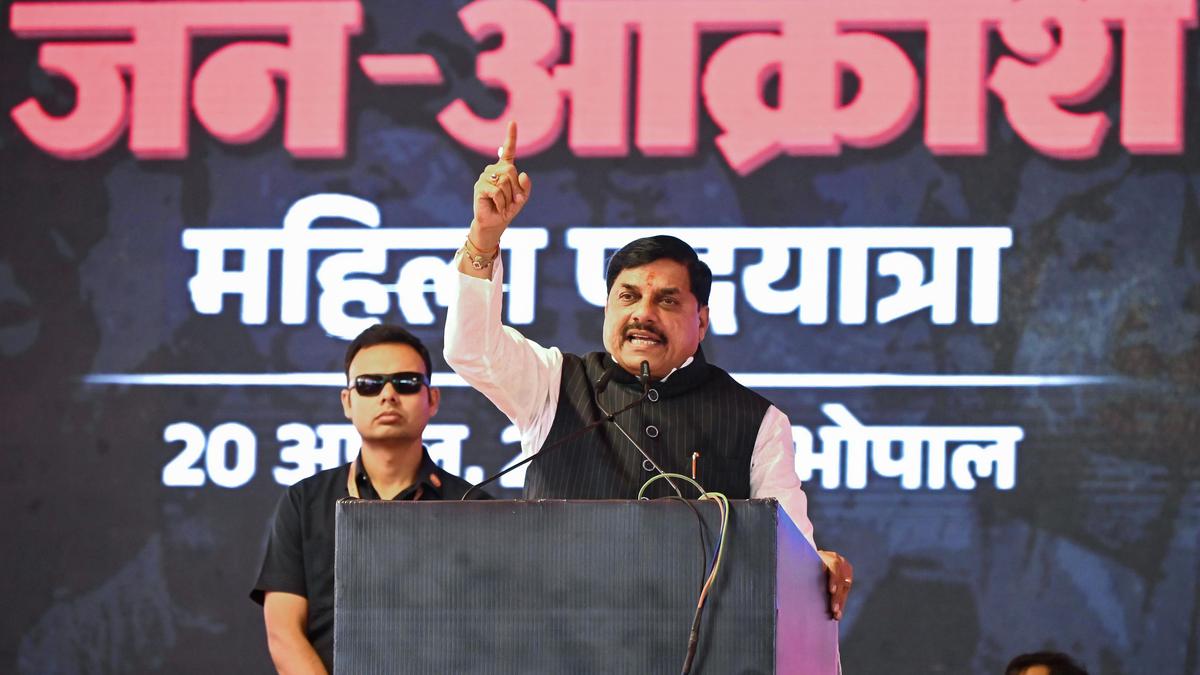
BJP Congress Clash Over MP Bill Defeat
The BJP's defeat of the women's quota amendment sparks a political narrative war with Congress, impacting future elections.
India
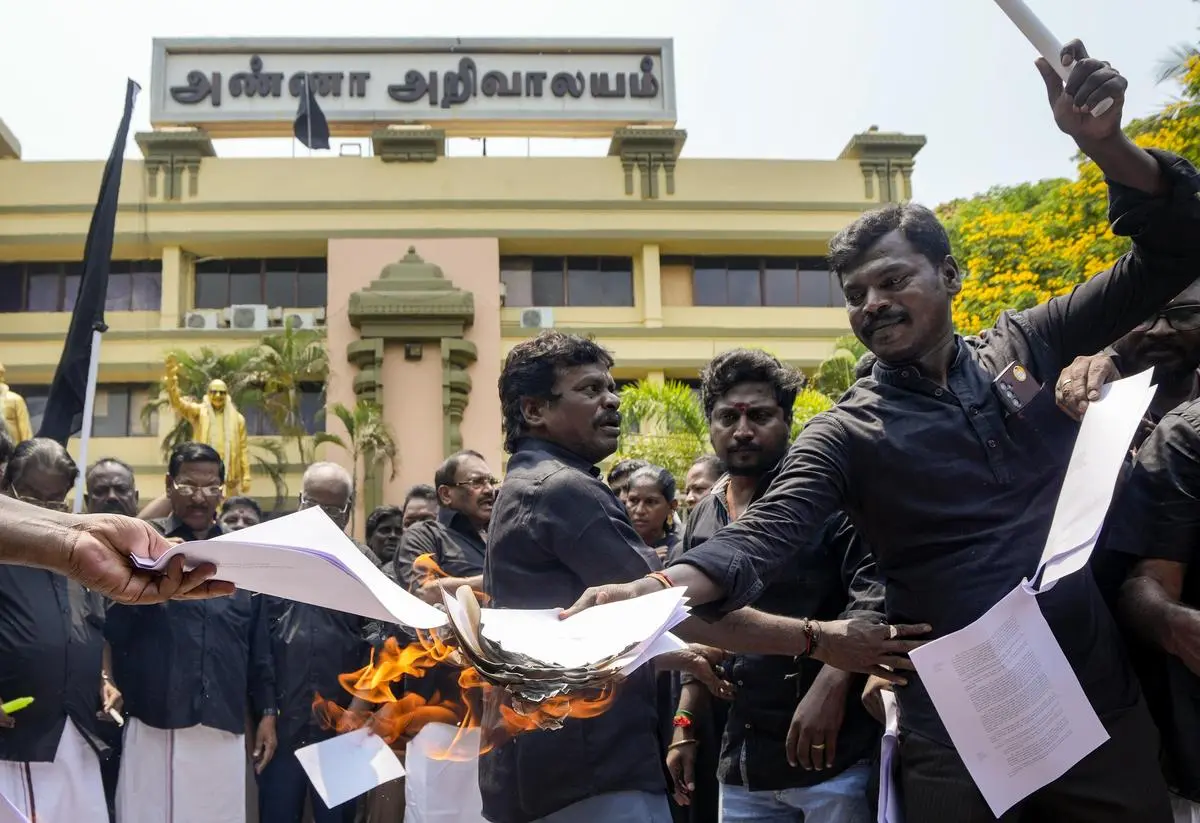
Women’s Reservation Bill 2026
The Constitution (131st Amendment) Bill, 2026 was defeated in Lok Sabha, revealing deeper political conflicts over women's reservation and delimitation.

Conflict & Security
Drone Warfare Killing Aid Workers at Unprec
Over 1,000 humanitarian workers killed in three years as cheap armed drones collapse legal protections. Gaza, Sudan, Ukraine, and DRC see deliberate targeting of aid convoys and hospitals with zero prosecutions.
Global
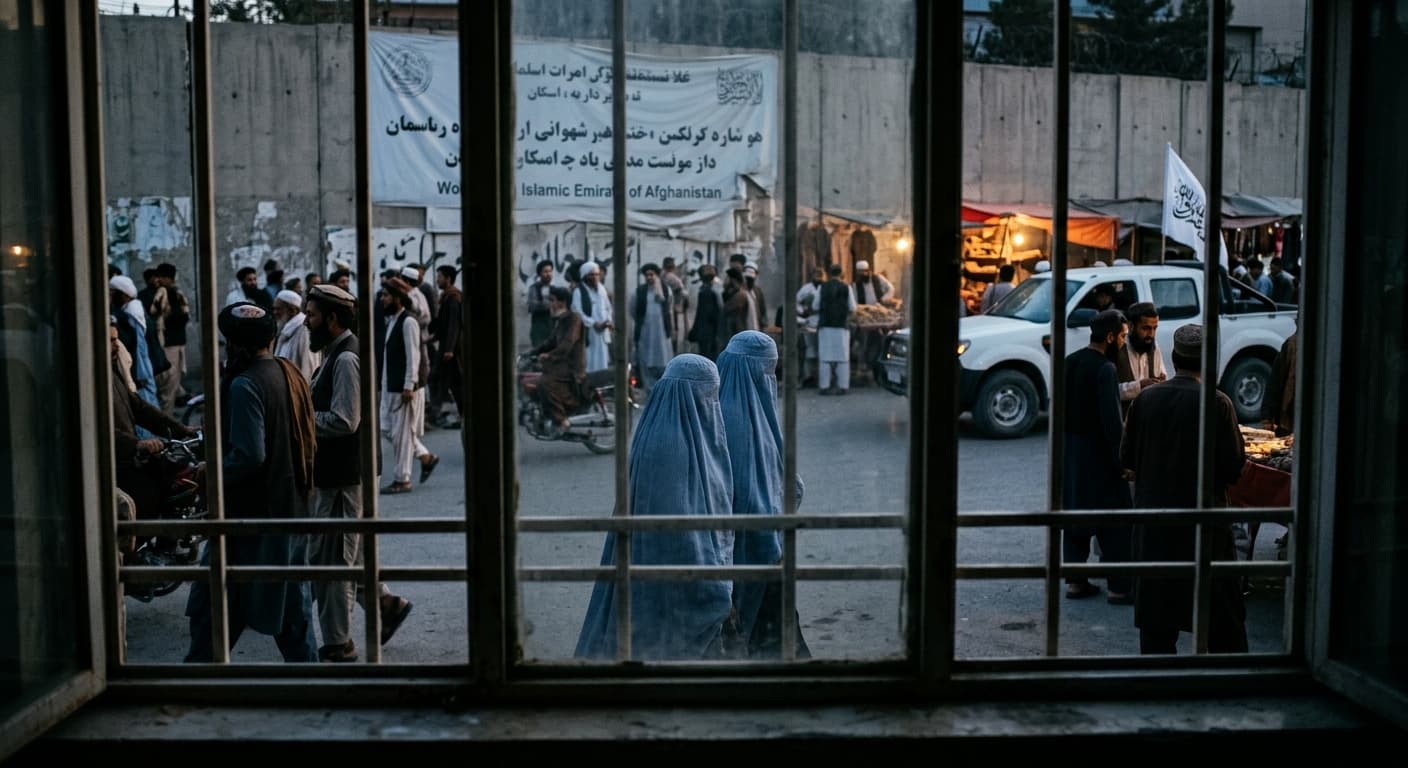
World Normalises Taliban as Afghan Women Eras
UN data shows Afghan women erased from public life as Russia recognises the Taliban, EU hosts officials in Brussels, and ICC warrants for gender persecution go unenforced.

