Zelenskyy’s Patriot push exposes bottleneck
Ukraine seeks U.S. help to counter Russian missiles
Model Diplomat2 min readEurope
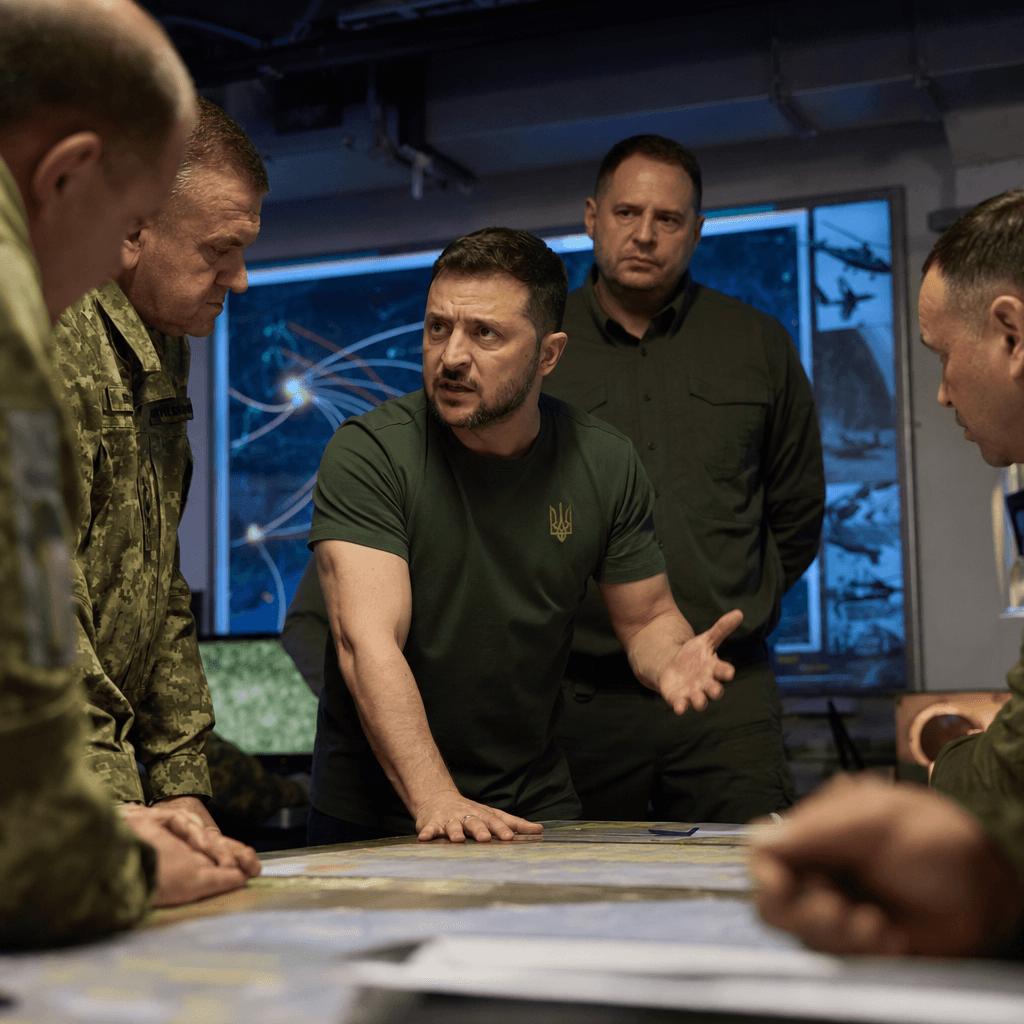
Zelenskyy’s Patriot push exposes Ukraine’s real bottleneck
Kyiv is pressing Washington to solve the one problem Russia still exploits: ballistic missiles. The fight now turns on U.S. interceptors, not battlefield rhetoric.
Ukraine’s leverage is political, not military: Volodymyr Zelenskyy is trying to turn Russia’s missile edge into a U.S. procurement decision. In a letter to Donald Trump and Congress seen by Reuters, the Ukrainian president said Russia’s ballistic missiles are Vladimir Putin’s “last major advantage on the battlefield” and that neutralizing them would push Moscow toward negotiations.
The Guardian reports that plea followed a Russian strike in which Moscow fired 30 ballistic missiles and Ukraine said it intercepted only 11.
Why the missiles matter more than the headlines
This is not a generic appeal for more aid. Ukraine is telling Washington that the war’s balance now hinges on a narrow technical shortage: U.S.-made Patriot interceptors. Reuters says those interceptors are Ukraine’s only effective shield against Russian ballistic missiles, while
Al Jazeera notes Kyiv has fewer than a dozen Patriot batteries and says it needs at least 25. That gap gives Moscow a practical advantage: it can force Ukraine to spend scarce interceptors, probe gaps in coverage, and keep pressure on civilian infrastructure and command nodes.
The timing is awkward for Kyiv. Reuters says Patriot deliveries are moving through the Europe-financed PURL mechanism, but the pace is now lagging the threat. That matters because the European money may be there, but the bottleneck is production and U.S. release decisions. In other words, Europe is underwriting the problem; Washington still controls the solution.
Who gains if the U.S. hesitates
If the White House slows deliveries, Russia gains bargaining power. Moscow does not need to win the air war outright; it only needs to preserve enough missile capacity to keep Ukraine under strain and its allies uncertain. That is why Zelenskyy is framing air defence as a pathway to diplomacy rather than simply a defensive request. The message to Trump is transactional: send interceptors, reduce Russia’s leverage, and create the conditions for talks.
The beneficiaries of delay are clear. The Kremlin keeps its coercive tool. U.S. stockpiles stay prioritized for other theaters, especially where Patriot demand has risen sharply. The losers are equally clear: Ukraine’s air defence commanders, cities under repeated missile attack, and European governments trying to sustain support without filling the gap themselves.
What to watch next
The immediate test is whether Washington answers Zelenskyy’s letter with faster Patriot releases or merely repeats support language. Watch three things: the next U.S. decision on interceptor allocations, whether the PURL pipeline speeds up, and whether Russia escalates strikes to prove the point before any Western response lands. If the U.S. does move, it will not be because Kyiv changed the battlefield — it will be because Zelenskyy made the missile shortage impossible to ignore.
Discover more
Global
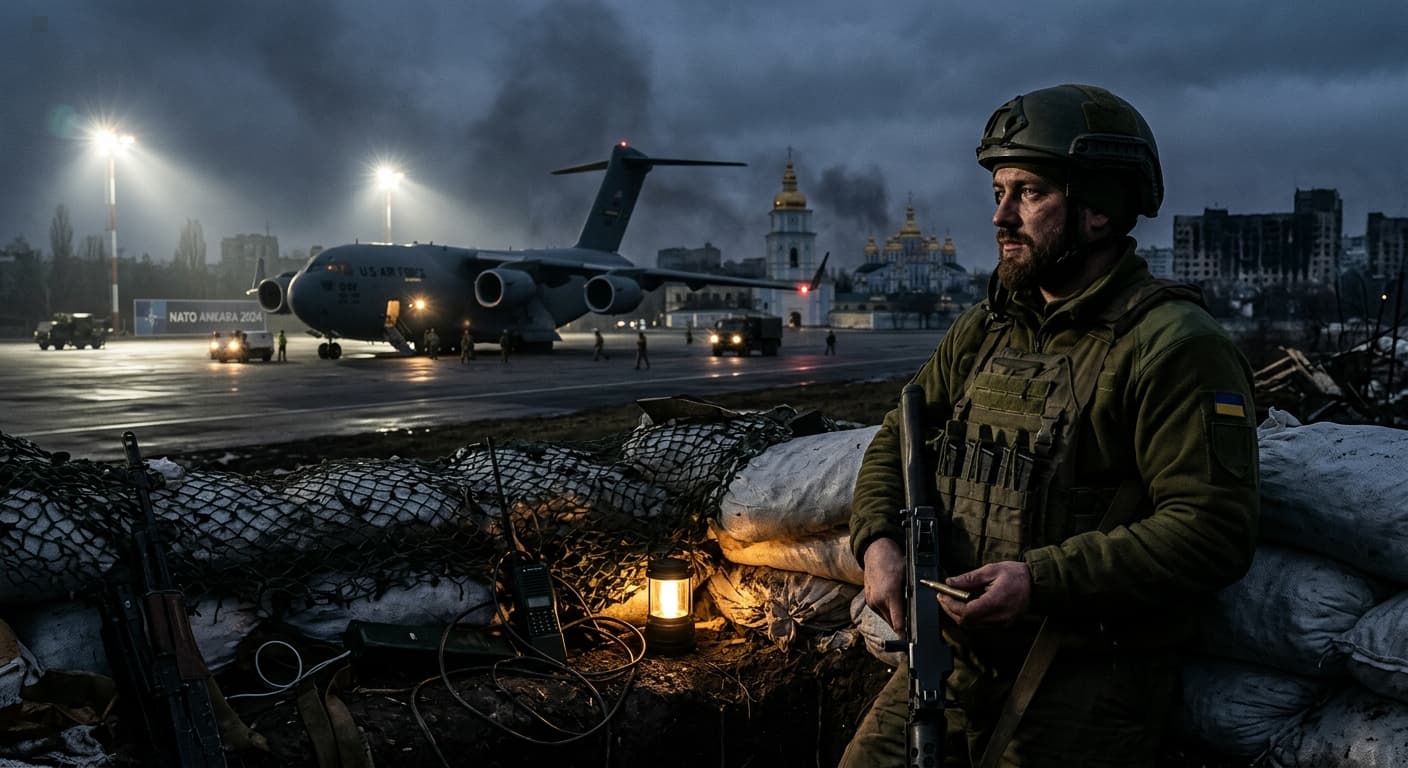
Kyiv's Empty Quiver: Ankara Summit on NATO
As Russia strikes Kyiv, NATO's Ankara summit must address Ukraine's urgent air defense needs amid dwindling interceptor supplies.

International Relations
Ukraine Drone Strikes Crimea Power Grid
Ukrainian drone strikes targeting Crimea's power grid signal a strategic shift, aiming to disrupt Russian logistics by hitting critical energy infrastructure.
Conflict & Security
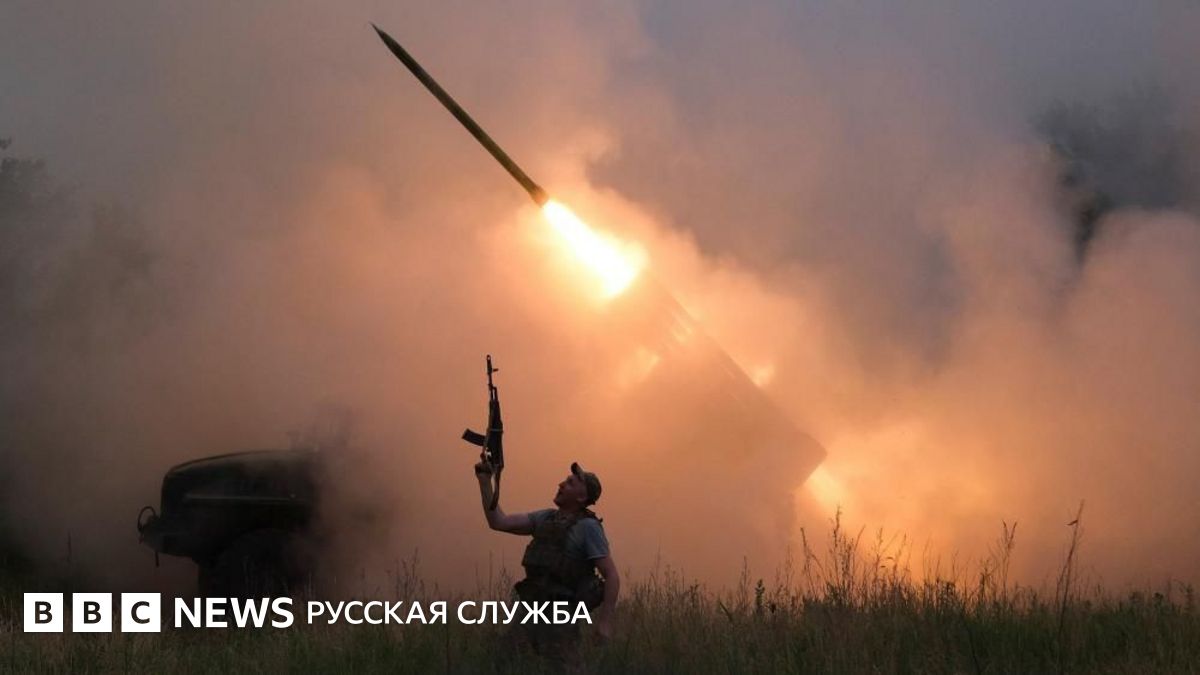
Russia Encircles Konstantinovka—Key to Donbas
Russia's encirclement of Konstantinovka could unlock the wider Donbas for further advances, marking a pivotal moment in its grinding eastern offensive.
Conflict & Security
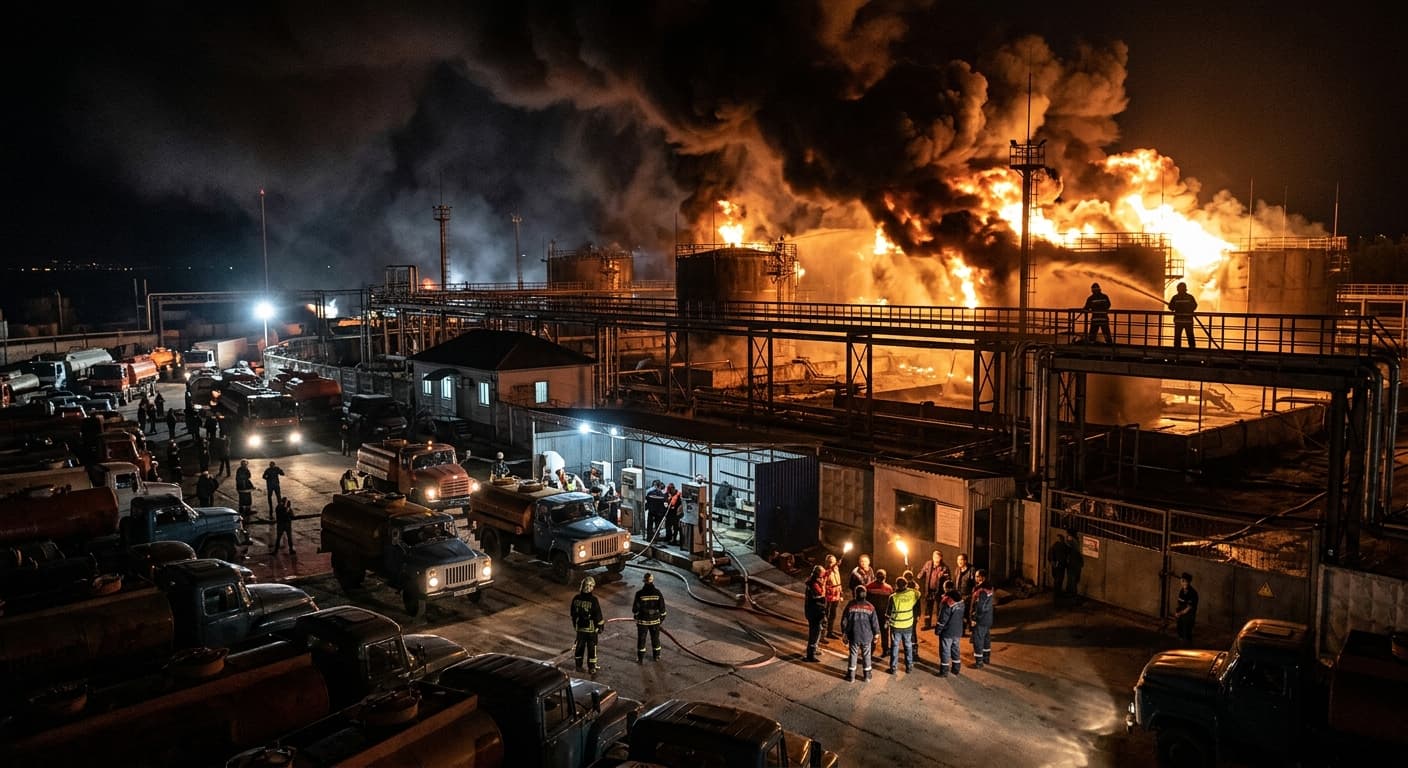
Ukraine's Energy Offensive Hits Crimea
Ukraine's drone campaign is disrupting Russian fuel supplies and forcing rationing in Crimea, turning energy infrastructure into a key front of the war.