Zelenskyy Uses Kyiv Strike Site to Press the
Zelenskyy calls for more Western support after Kyiv attack.
Model Diplomat3 min readEurope
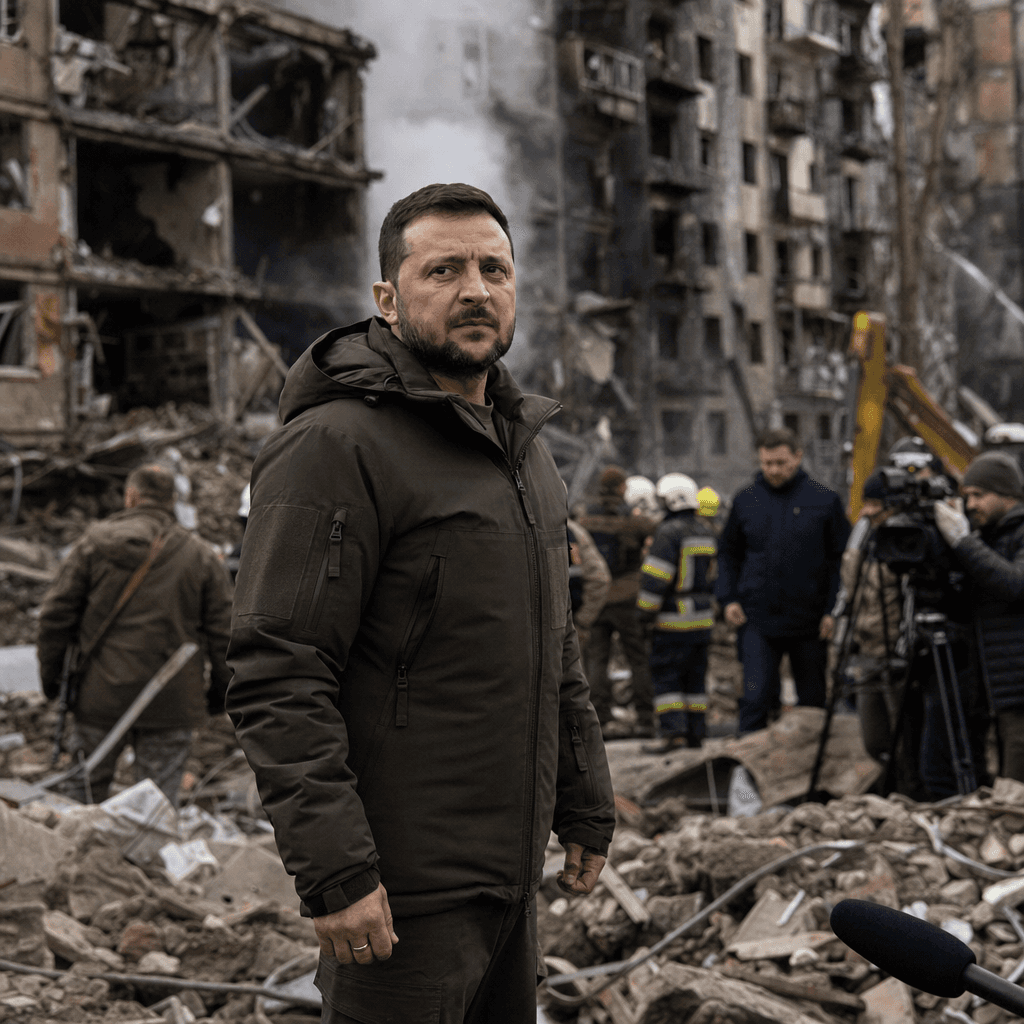
Zelenskyy Uses Kyiv Strike Site to Press the West
Russia’s mass attack on Kyiv is doing more than killing civilians: it is a signal to Europe that Ukraine’s air shield is still too thin and the war can spill across NATO’s edge.
Russia’s overnight barrage on Kyiv was not just another strike; it was a political message delivered in missiles and drones. Volodymyr Zelenskyy told Al Jazeera after visiting damaged sites in the capital that Russia had launched one of its largest attacks since the war began and was deliberately targeting civilian infrastructure, while Ukraine vowed retaliation. Al Jazeera
Moscow is betting on saturation, not precision
The scale matters. EFE reported that Kyiv was the “primary target” of the assault and that Russia fired hundreds of drones and missiles across Ukraine overnight, with Ukrainian officials saying schools, a market and other civilian sites were hit; EFE said the attack left at least four dead and nearly 100 injured nationwide. EFE
That is the leverage point. Moscow is not trying to win Kyiv in one blow. It is trying to show it can still overwhelm Ukraine’s air defenses, inflict visible damage in the capital, and keep the war’s costs front and center for Western capitals. For policymakers following Global Politics, the important shift is that Russia’s strike package is as much about coercion as battlefield effect: every large salvo forces Ukraine to spend scarce interceptors and forces its partners to refill them.
Ukraine is turning the strike into an allied test
Zelenskyy’s public appearance at the attack site is meant to turn destruction into diplomatic pressure. EFE reported that Ukraine’s foreign minister, Andrii Sybiha, called on allies to step up military and political support, specifically naming more air-defense systems, tougher sanctions, and faster political decisions on Ukraine’s EU track. EFE also reported German Chancellor Friedrich Merz condemning the use of the Oreshnik missile system as an escalation. EFE
That framing benefits Kyiv in one immediate way: it keeps the argument centered on Western capability gaps, not just Ukrainian resilience. It also puts pressure on Berlin, Paris and Brussels to answer a simple question — if Russia can still mount attacks of this size, what exactly has changed in Europe’s response? The answer so far is rhetorical solidarity, not a new air-defense surge.
The spillover risk is now part of the story
The attack also sharpened the regional angle. BTA, citing Reuters, reported that Poland scrambled aircraft after the Russian strike on Ukraine, underscoring how large raids on Kyiv still ripple into NATO airspace management and border security planning. BTA
That is why Moscow’s gains are not measured only in cratered buildings. Each major strike hardens the case for more air-defense deployments, tighter sanctions, and closer NATO vigilance — but only if allies choose to act quickly enough. If they do not, Russia learns the same lesson again: escalation works as pressure.
What to watch next
Watch the next 48–72 hours for two signals: whether Ukraine’s partners announce any new air-defense support or sanctions language, and whether Russia follows this barrage with another large-scale strike. The key decision point is whether Kyiv’s plea after this attack turns into deliverables, or just another round of condemnation.
Discover more
Global
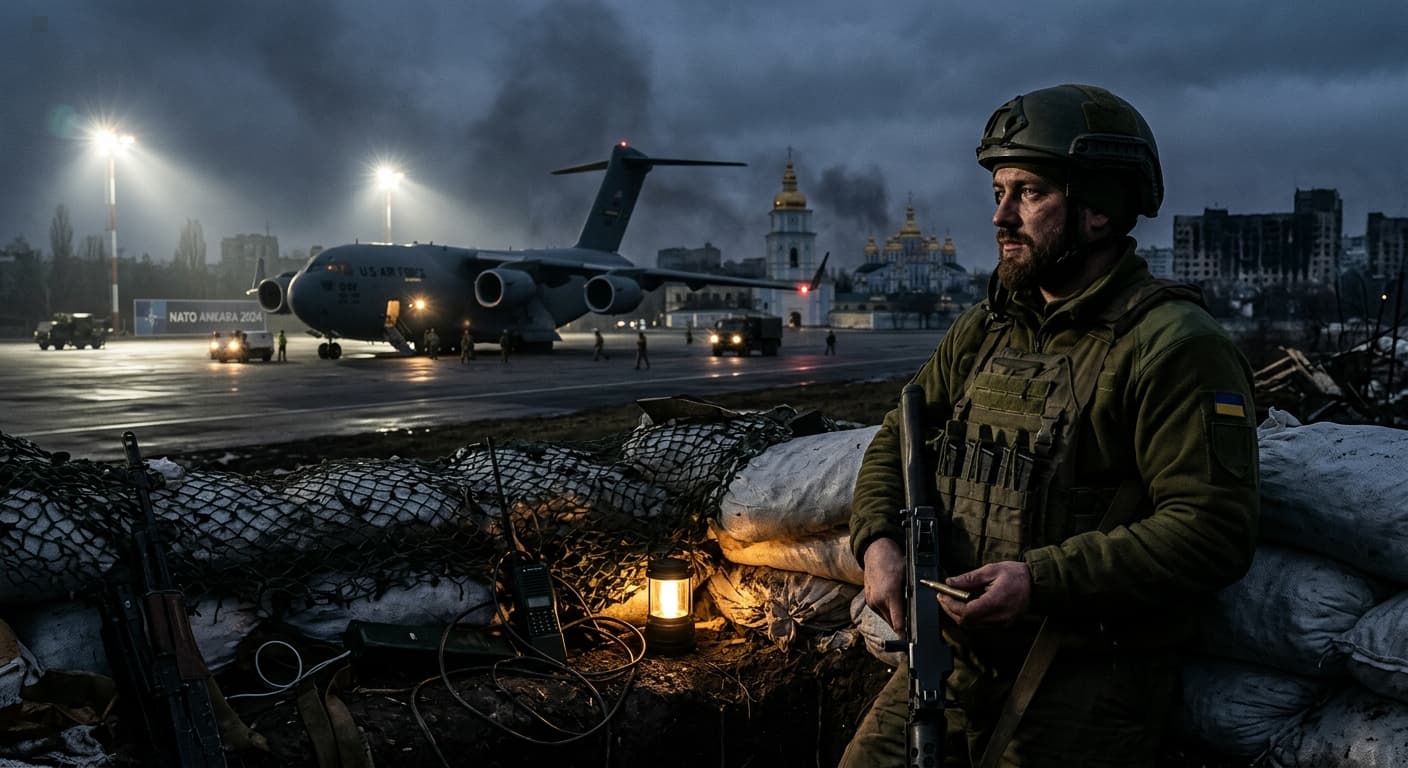
Kyiv's Empty Quiver: Ankara Summit on NATO
As Russia strikes Kyiv, NATO's Ankara summit must address Ukraine's urgent air defense needs amid dwindling interceptor supplies.
International Relations
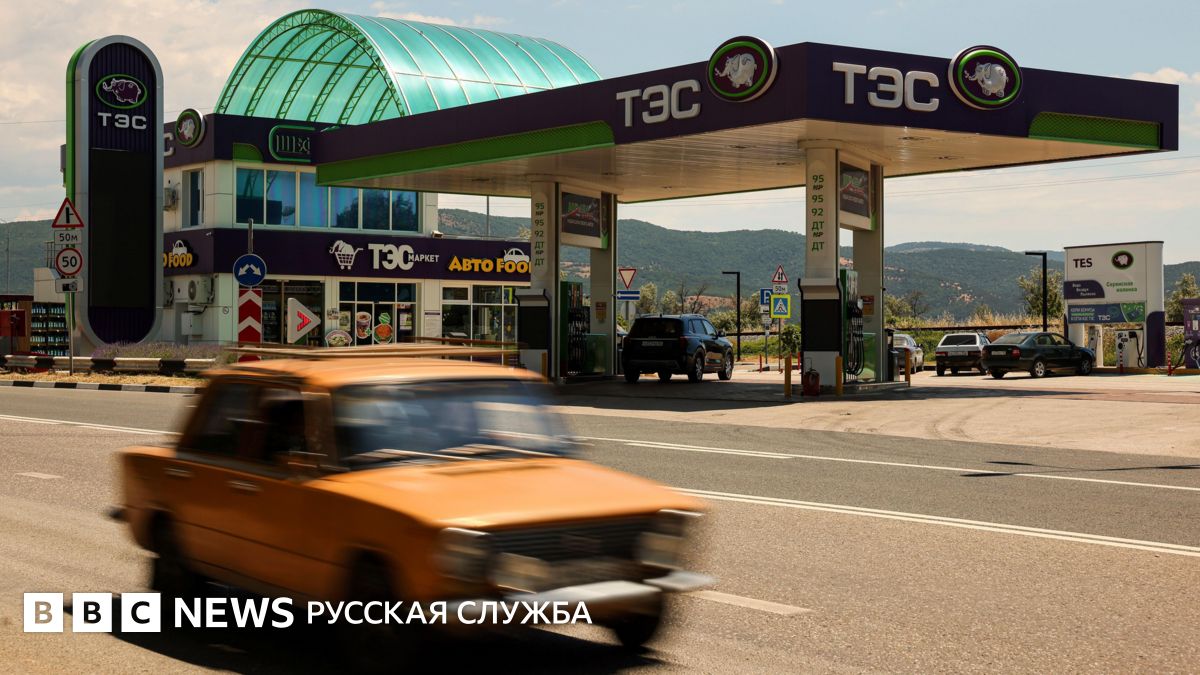
Ukraine Drone Strikes Crimea Power Grid
Ukrainian drone strikes targeting Crimea's power grid signal a strategic shift, aiming to disrupt Russian logistics by hitting critical energy infrastructure.
Conflict & Security
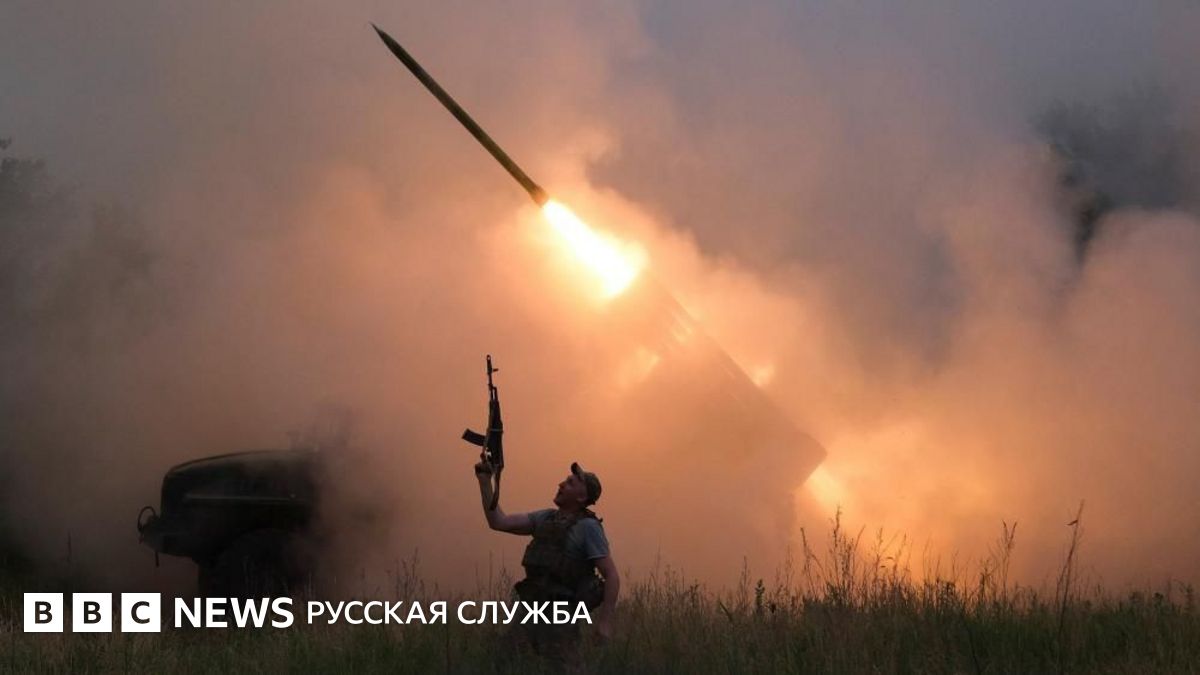
Russia Encircles Konstantinovka—Key to Donbas
Russia's encirclement of Konstantinovka could unlock the wider Donbas for further advances, marking a pivotal moment in its grinding eastern offensive.
Conflict & Security
Ukraine's Energy Offensive Hits Crimea
Ukraine's drone campaign is disrupting Russian fuel supplies and forcing rationing in Crimea, turning energy infrastructure into a key front of the war.