Xi and Putin Summit
Beijing and Moscow signal unity but lack energy agreement.
Model Diplomat3 min readAsia
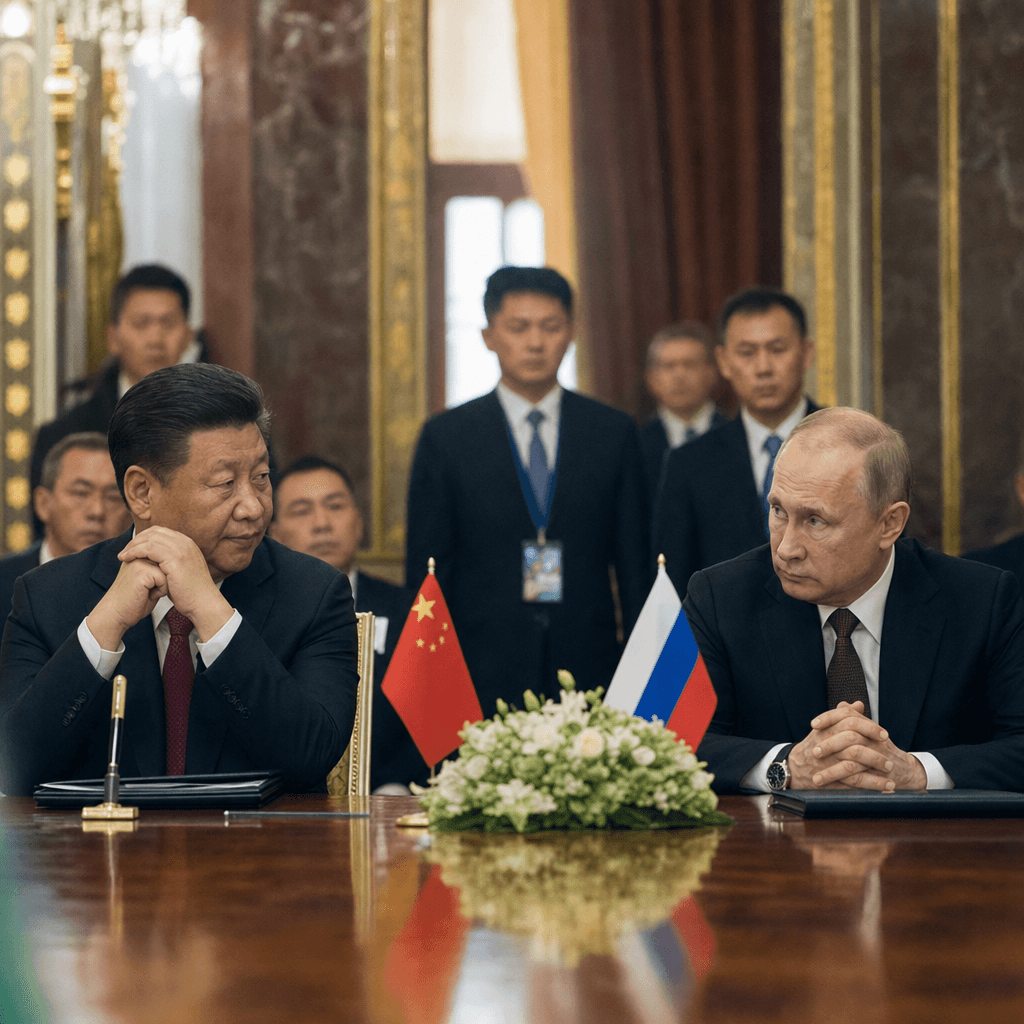
Xi and Putin Trade Signals, Not a Pipeline Breakthrough
Beijing and Moscow used the summit to attack U.S. missile defense and signal unity on Taiwan and nuclear issues, but China still withheld the deal Putin wanted.
Xi Jinping and Vladimir Putin left their Beijing summit with plenty of anti-U.S. messaging and no decisive energy breakthrough. Reuters reported that the two leaders criticized Donald Trump’s proposed “Golden Dome” missile shield and raised nuclear stability concerns, while a separate China-Russia statement touched on Taiwan and nuclear security; but the meeting ended without a final deal on the long-delayed Power of Siberia 2 gas pipeline (Reuters,
The Straits Times).
China keeps the upper hand
The balance of power in this relationship is now plain. Russia needs China for trade, technology and a new long-term market for its gas; China needs Russia, but only on terms that preserve Beijing’s leverage. Al Jazeera said bilateral trade hit almost $240 billion last year, while Russia has become increasingly dependent on Chinese buyers and suppliers after Western sanctions shrank its options (Al Jazeera,
BBC News).
That is why the missing pipeline deal matters more than the ceremonial footage. The Kremlin said there was only a “general understanding” on the route and construction of Power of Siberia 2, not a signed agreement with price and timetable attached (BBC News,
Al Jazeera). In practical terms, Beijing is still deciding whether to lock itself into a major new Russian supply line — and at what discount. That leaves Putin with symbolism, but not cash flow.
The anti-U.S. line is the easy win
The summit’s harder edge was political. Reuters said the two sides condemned Golden Dome as a threat to strategic stability and argued Washington had been irresponsible not to work on a replacement for a landmark nuclear treaty (Reuters). The Straits Times added that the joint statement also covered Taiwan and nuclear security, showing how Beijing and Moscow are broadening their alignment beyond energy into shared messaging on core U.S. security issues (
The Straits Times).
This matters because the summit was not just about bilateral business. It was a coordinated signal to Washington that the two powers will contest U.S. missile defense, arms control and regional red lines together. For China, that is cheap diplomacy: it gains strategic cover without committing to Russia’s war economy. For Russia, it is diplomatic oxygen at a time when European markets are gone and its bargaining position is weak.
What to watch next
The next decision point is whether Beijing converts the “general understanding” on Power of Siberia 2 into a signed commercial deal. If it does, Russia secures a new long-term outlet and China deepens its energy security away from vulnerable sea lanes. If it does not, the summit will look like what it already is: a demonstration of alignment, not a reset of power.
Watch for any follow-up from Gazprom and China National Petroleum Corp, and for whether Beijing pairs future pipeline talks with even tougher pricing terms. Until then, Xi has what he wanted most: leverage. Put Global Politics and
International on watch.
Discover more
Global
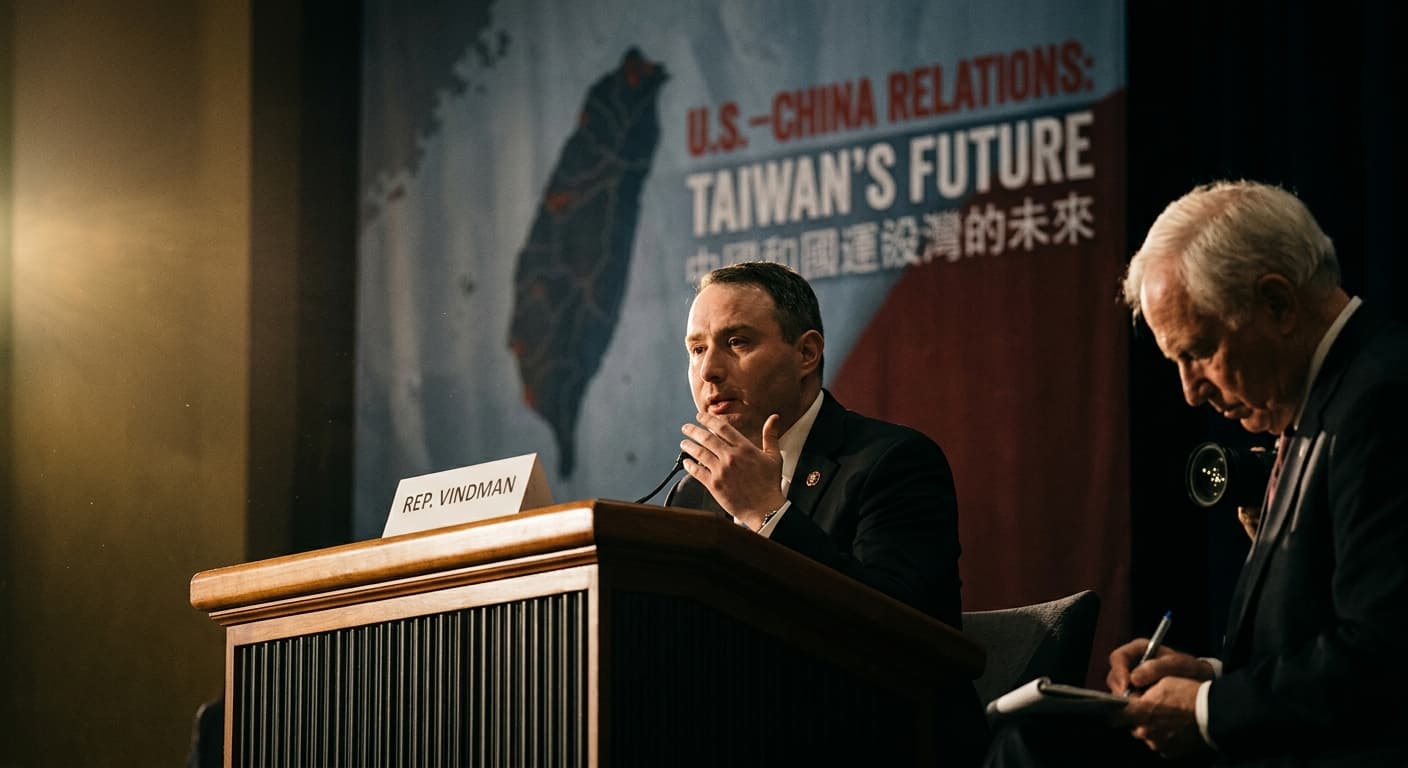
Vindman's Call for U.S. Response to China
Rep. Eugene Vindman highlights the urgent need for a U.S. strategy to counter China's gray-zone tactics against Taiwan, emphasizing economic stakes.
Global
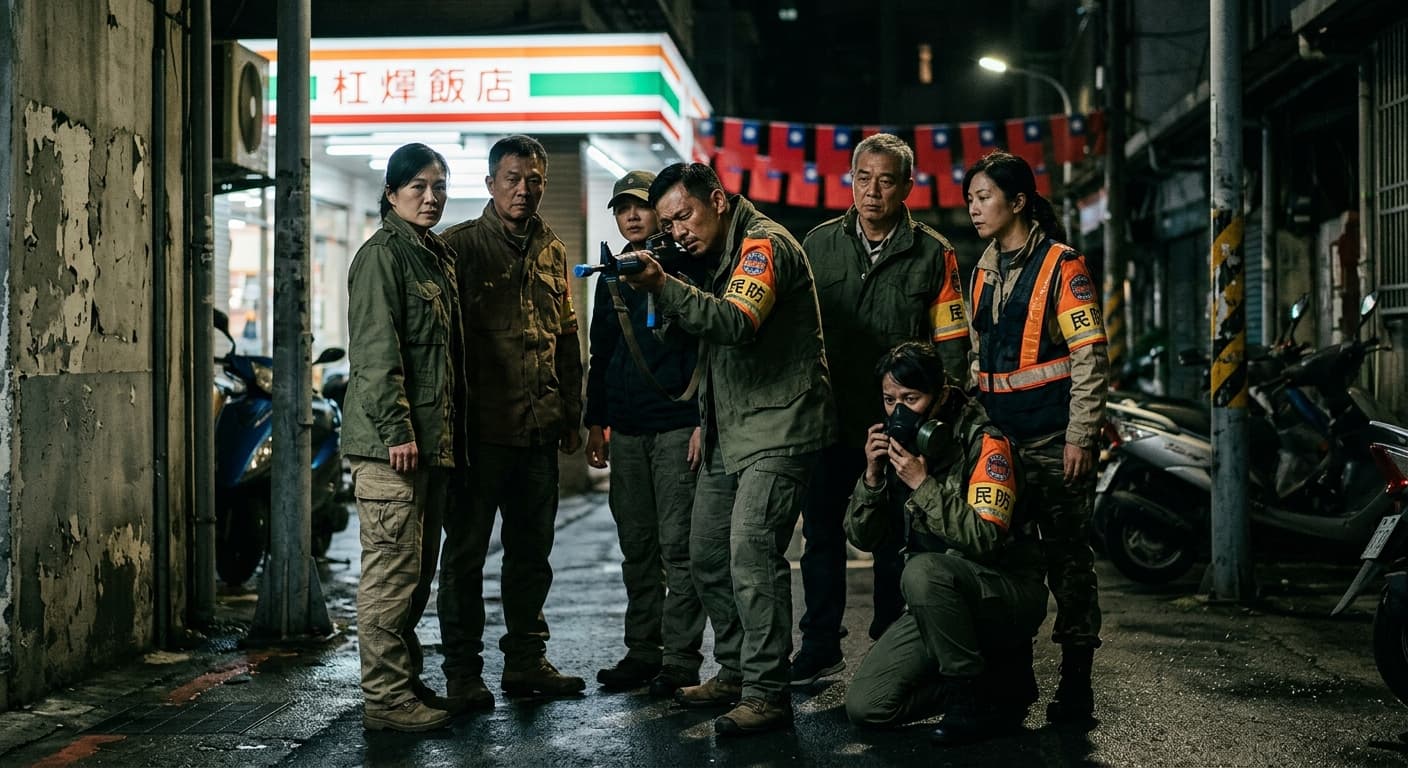
Taiwan's Civil Defense: Deterrence Strategy
Taiwan's National Security Council emphasizes civil defense drills as a deterrent against Chinese military aggression, amid budget cuts and rising tensions.
Global
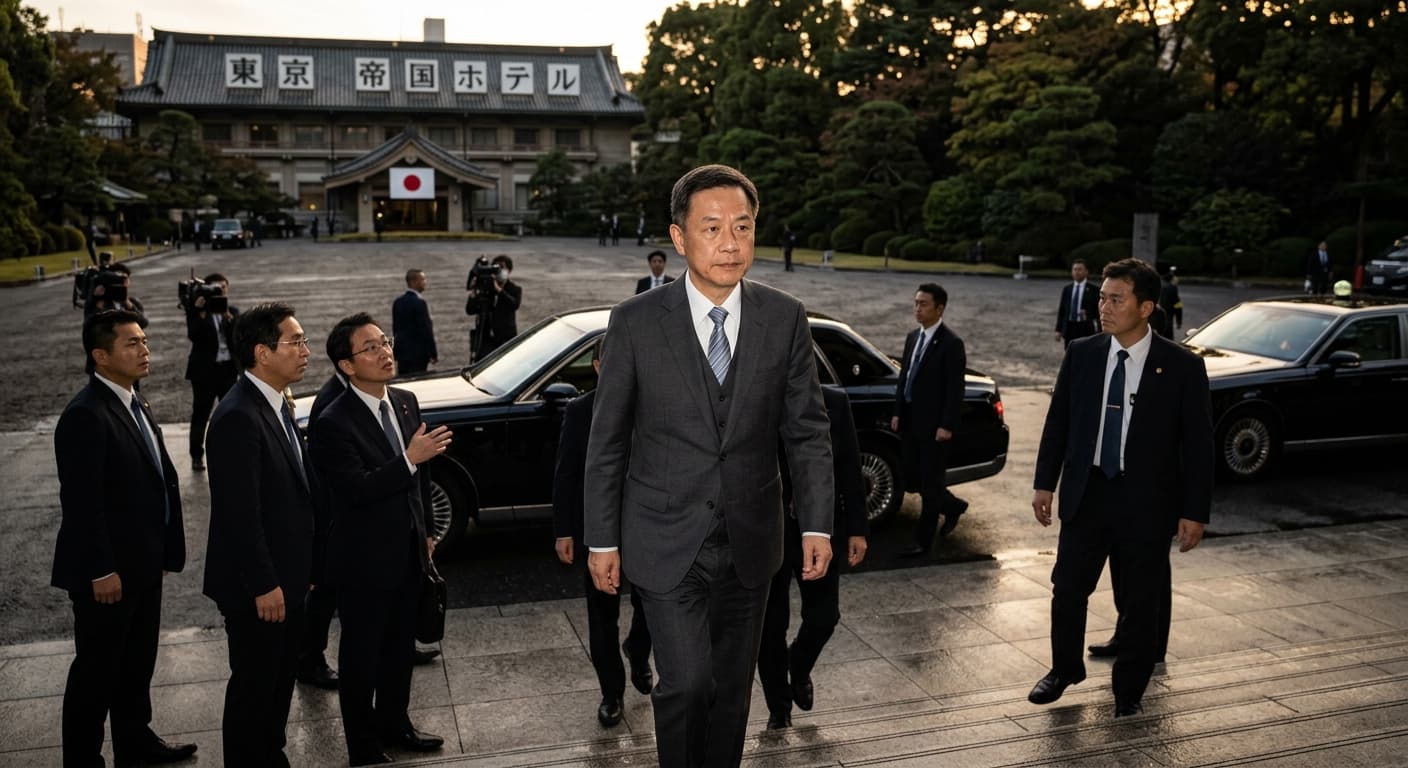
Taiwan Premier's Historic Tokyo Visit
Taiwan Premier Cho Jung-tai's visit to Japan breaks a 54-year precedent, signaling a shift in Indo-Pacific dynamics amid China's coercion.
India
Lipulekh Pass Reopens: India-China Trade
India and China reopen the Lipulekh Pass for cross-border trade, signaling a cautious thaw in relations after years of frozen frontier and diplomatic tensions.