West Bengal ₹2 Lakh Crore Funds Dispute Escal
Abhishek Banerjee accuses PM Modi of withholding funds.
Model Diplomat3 min readWest Bengal
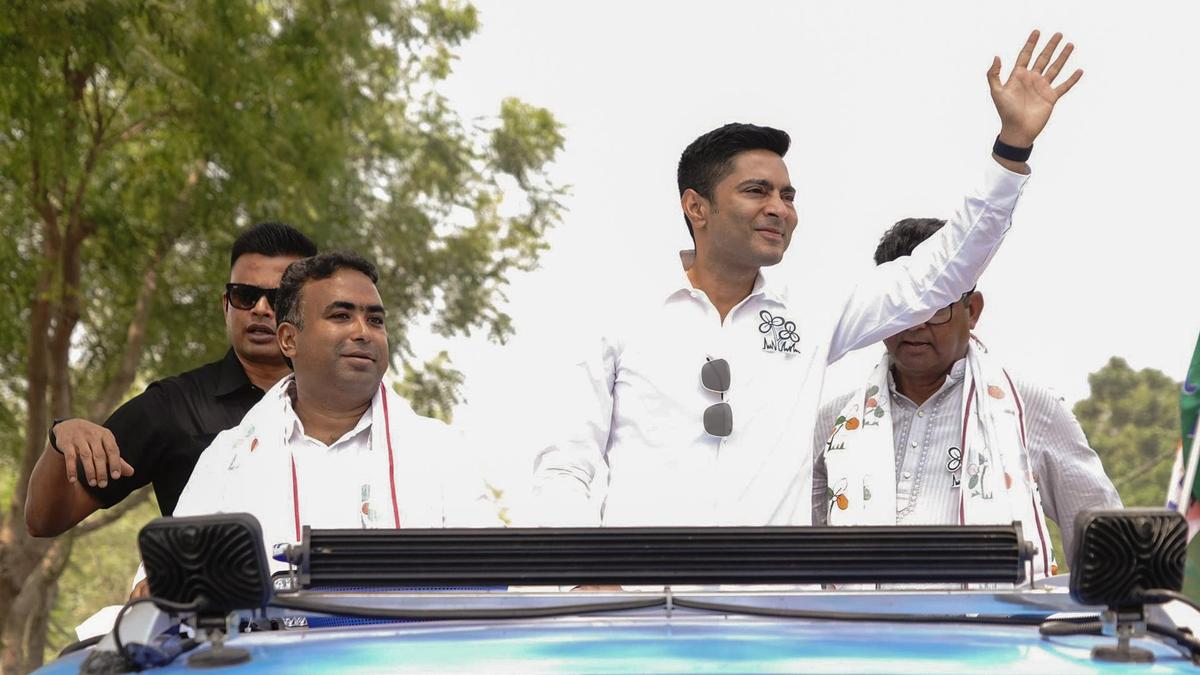
West Bengal’s ₹2 Lakh Crore Central Funds Row Escalates Political Heat
Abhishek Banerjee accuses PM Modi of withholding ₹2 lakh crore in funds, raising stakes in the Bengal assembly elections.
At a rally in Murshidabad, Abhishek Banerjee, a key Trinamool Congress (TMC) leader and nephew of West Bengal Chief Minister Mamata Banerjee, accused Prime Minister Narendra Modi of deliberately blocking approximately ₹2 lakh crore in central funds owed to West Bengal. Banerjee challenged Modi to release these dues before “professing love” for the state, turning the delayed fund transfer into a political flashpoint ahead of the crucial 2026 assembly elections.
Funds Dispute as a Political Wedge
This spat between the state ruling party and the BJP-led Centre taps into a long-standing fault line in Indian federal politics: the allocation and timely release of central funds. West Bengal, governed by TMC since 2011, has frequently accused the BJP’s central government of withholding funds as political leverage. The ₹2 lakh crore figure Banerjee cites represents a substantial portion of the state’s budgetary resources that remain stuck at the central level either due to withheld grants, delayed reimbursements, or conditional releases.
The tension is more than budgetary—it reflects political distrust. The BJP’s rise in Bengal, which culminated in a strong but incomplete showing in the 2021 assembly elections, has turned West Bengal into a key battleground state for national political dominance. By framing the funding delay as an act of deliberate neglect, the TMC aims to rally regional pride and cast the BJP as a federal bully unfairly punishing the state for its electoral resistance.
Why This Matters: Fiscal Federalism Under Strain
India’s fiscal federalism depends heavily on the transfer of central funds to states through multiple channels—tax devolution, grants-in-aid under the Finance Commission recommendations, and various central schemes. Delays or denials of funds can critically disrupt state budgets, affecting welfare programs, infrastructure projects, and salary payments of government employees.
West Bengal’s challenge is a textbook case of how partisan conflicts can imperil fiscal cooperation. A blocked ₹2 lakh crore roughly equals several years’ worth of central assistance and has real consequences for governance and public welfare in a populous state of nearly 100 million people.
The issue also spotlights the BJP’s modus operandi in states where it lacks full control. Reports over the last five years show a pattern of conditional fund releases tied to political loyalty or electoral gains, imperiling India’s ideally cooperative federal framework.
What to Watch Next
The immediate question is whether the Modi government will relent or maintain its hardline stance on West Bengal funding. Given the BJP’s aggressive campaign to expand influence in Bengal before the 2026 elections, withholding funds serves dual purposes: constraining TMC’s governance and reinforcing the BJP’s narrative as a tough central authority.
At the same time, TMC’s strategy of highlighting blocked funds plays well domestically to offset some of the BJP’s development claims. How voters perceive this tussle could shape the next assembly makeup: whether welfare delivered through central funds will be seen as a genuine BJP offer or a political carrot withheld to destabilize Bengal’s incumbent government.
For observers of India and its fraught center-state relations, this fight over ₹2 lakh crore is a high-stakes indicator of how political rivalry influences governance, public services, and the very character of Indian federalism ahead of one of the country’s most-watched elections.
Discover more
India
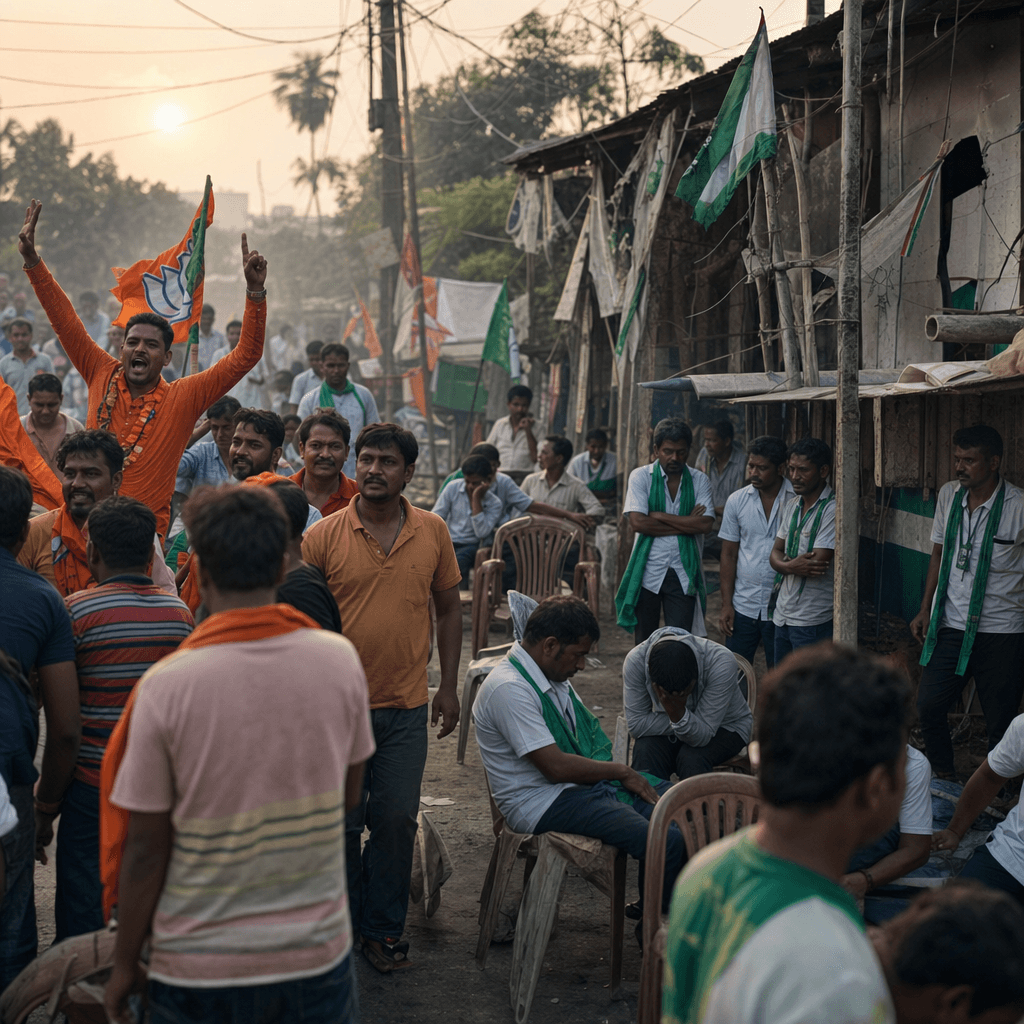
BJP's Falta Win Signals TMC's Decline
The BJP's win in Falta exposes the TMC's fraying local machinery and leadership cracks in West Bengal, signaling deeper trouble for Abhishek Banerjee's party.
India
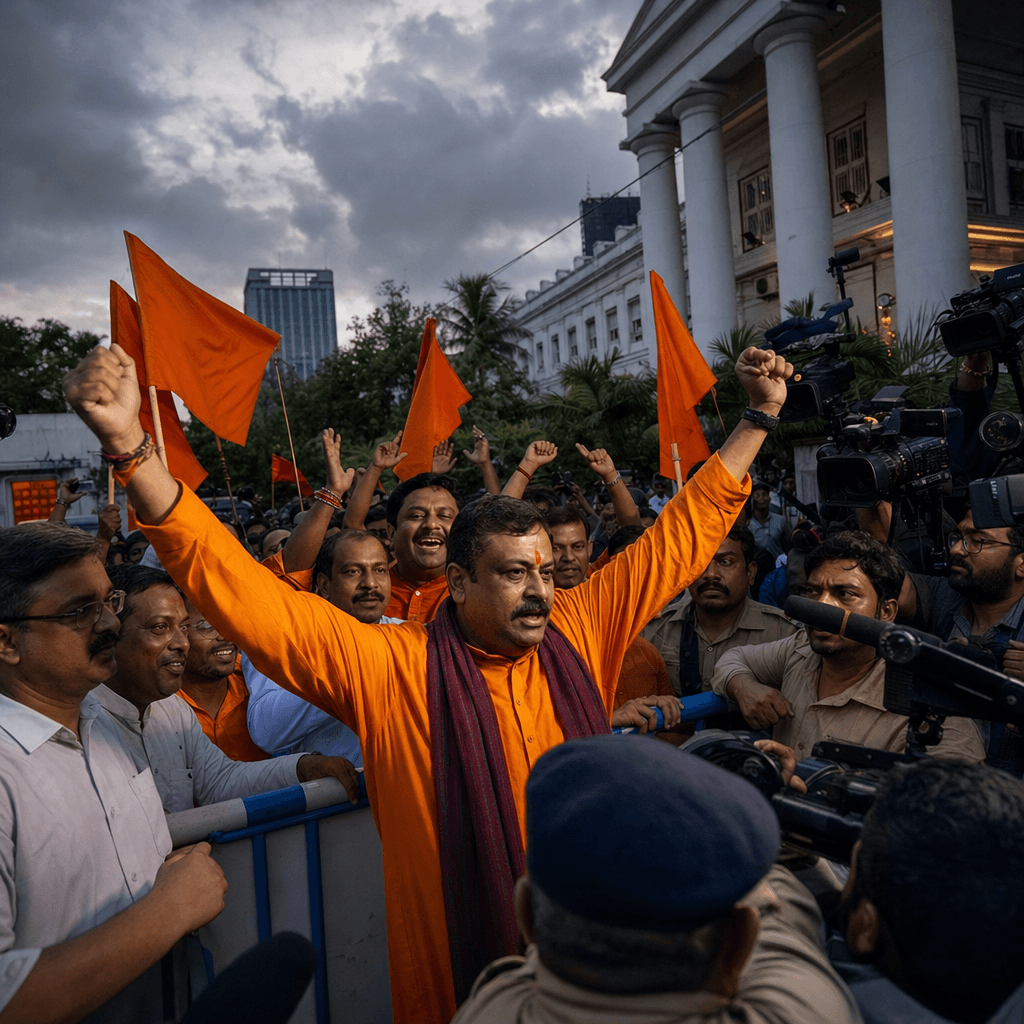
BJP’s West Bengal Sweep Forces Rethink
The BJP's sweeping victory in West Bengal reshapes Indian politics, forcing a battered Opposition to rethink strategy as the party extends its dominance.
India
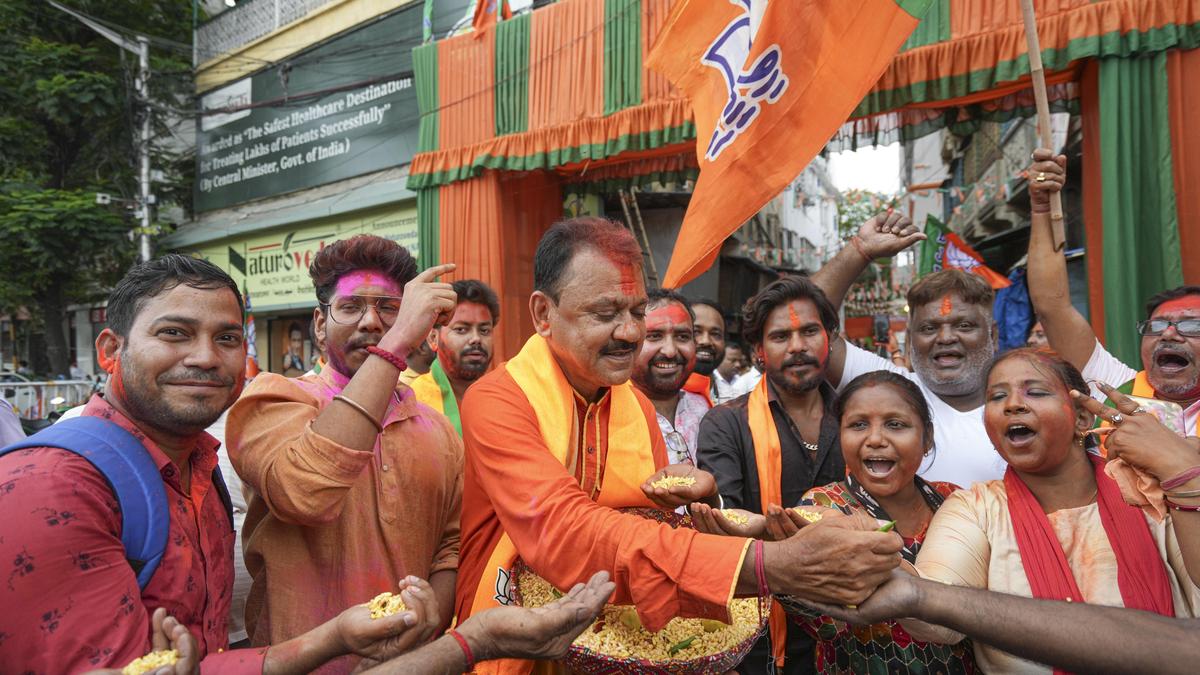
BJP Elevates Jhalmuri as Power Symbol in West
The BJP turns jhalmuri into political theatre in West Bengal, using the street snack as cultural symbolism to challenge Mamata Banerjee and stake a power claim.
India
Centre Pressures Bengal, Tamil Nadu on PM SH
The Centre presses West Bengal and Tamil Nadu to sign onto PM SHRI, tying education funds to compliance and reigniting a federalism clash over school policy.