West Bengal 2026 Election
Mamata faces BJP momentum in West Bengal's 2026 elections.
Model Diplomat3 min readWest Bengal
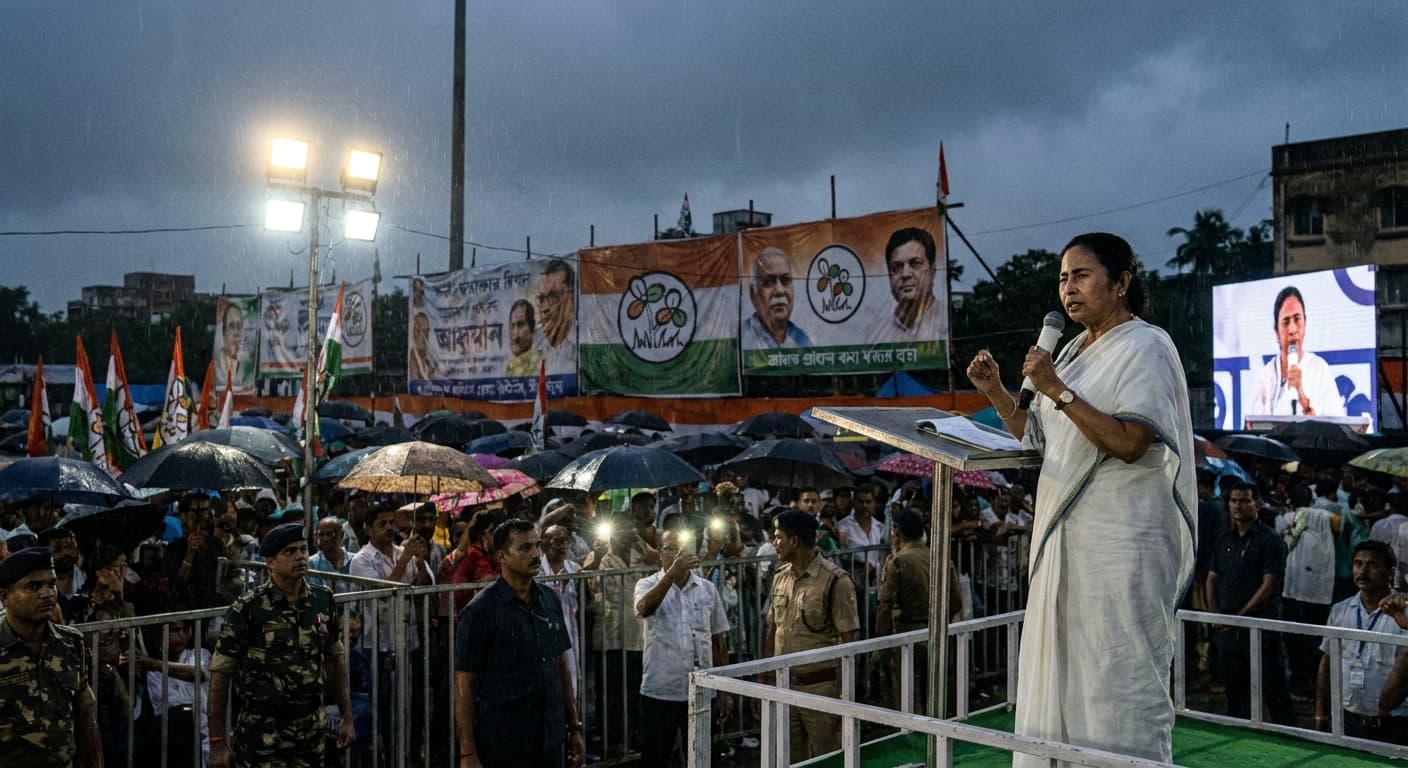
Bengal's Defining Vote: Can Mamata Survive Her Toughest Test Yet?
West Bengal's 2026 election — Phase 1 underway April 23 — pits Mamata Banerjee's 15-year hold against BJP momentum and a voter-roll crisis.
Phase 1 voting is live today across 152 constituencies in 16 districts, with an extraordinary 89.93% turnout recorded by 5 p.m. — a number that signals intense mobilisation on both sides. Phase 2 follows on April 29, with results due May 4. What's at stake is not just a state government — it's whether Trinamool Congress can survive its longest incumbency and whether BJP can finally crack India's last major opposition stronghold.
The Weight of 15 Years
Mamata Banerjee has governed West Bengal since 2011, when she ended three decades of Left Front rule in a political earthquake. She won again in 2016 and delivered a landslide in 2021 despite a ferocious BJP campaign backed by Prime Minister Modi and Home Minister Amit Shah. But incumbency compounds. Corruption allegations — Shah invoked a "Bhaipo tax" (nephew tax) at a Balagarh rally, referencing nepotism claims — and anti-incumbency sentiment among middle-class voters have given BJP a sharper message than it had in 2021. Shah is now promising to resolve the Gorkha issue in Darjeeling and root out what he calls illegal immigration if BJP wins a full majority — identity and security framing calibrated for North Bengal constituencies where TMC is structurally weaker.
Mamata, meanwhile, has reframed the contest as a sovereignty battle: Bengal versus Delhi's "zamindars." It's the same playbook that won her 2021, and the turnout figures suggest it still has purchase.
The SIR Wildcard
The most consequential pre-election development was the Special Intensive Revision (SIR) of electoral rolls — a process that deleted over 90 lakh (9 million) names from the voter list, a scale without precedent in recent Indian electoral history. The deletions hit Murshidabad and Malda — Muslim-majority districts and TMC strongholds — disproportionately hard. West Bengal uniquely introduced a "Logical Discrepancy" category flagging approximately 60 lakh contested voters, triggering over 34 lakh appeals.
BJP frames the deletions as removal of illegal immigrants. TMC calls it targeted disenfranchisement. The Supreme Court stepped in, ordering that voters whose deletion appeals were admitted by tribunals could still vote — supplementary rolls published just two days before Phase 1. Whether the logistical rollout reached affected voters in time is a live question that could shape the final count.
What to Watch
Turnout distribution matters more than turnout totals. Near-90% participation is extraordinary but tells us nothing about composition — if deleted voters in Murshidabad were effectively blocked, TMC's Muslim vote consolidation strategy has a hole in it regardless of headline numbers.
Sporadic violence is already on record. BJP candidate Agnimitra Paul reported attacks in Asansol Dakshin; clashes with TMC supporters hit Kumarganj. The Election Commission has sought incident reports. Post-election dispute filings could become significant if the margin is tight.
The May 4 count will determine whether Mamata's record of winning when cornered — she built her career climbing atop Jayaprakash Narayan's car in protest — holds for a fourth consecutive term, or whether 15 years in power has finally made her the establishment she once fought.
For broader context on Indian politics heading into a crucial election cycle, this result will set the template for opposition-BJP battles through 2027.
Discover more
India
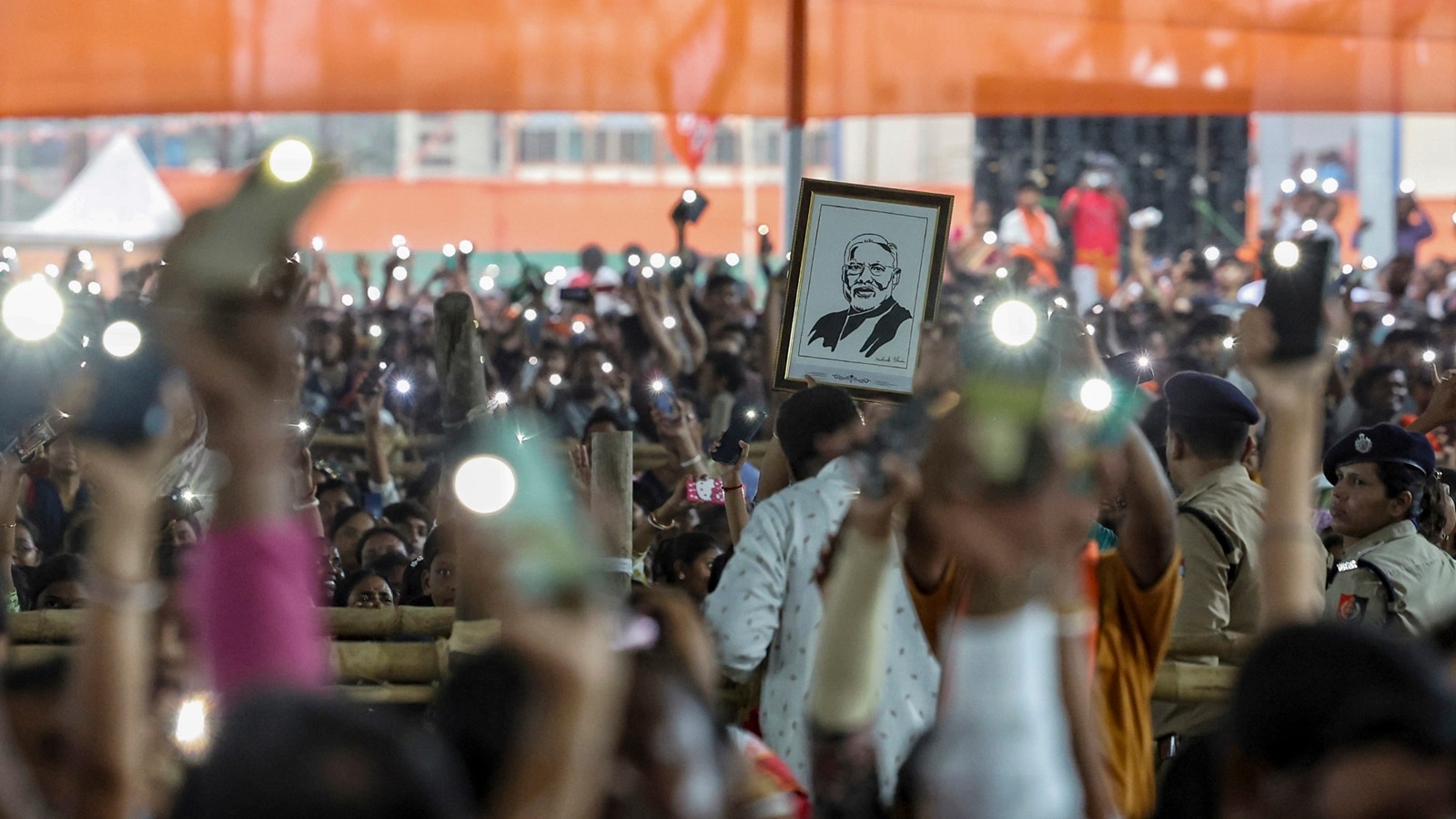
Modi's Women’s Convention in Varanasi
Modi's Varanasi rally frames women's reservation as a national mission, targeting the 2027 Uttar Pradesh elections with a strategic narrative.
India
Rajnath Singh's Durga Squad for 2026 Polls
Rajnath Singh's Durga Squad promised women's safety in Bengal but has since disappeared from the agenda, revealing BJP's true priorities.

Conflict & Security
Drone Warfare Killing Aid Workers at Unprec
Over 1,000 humanitarian workers killed in three years as cheap armed drones collapse legal protections. Gaza, Sudan, Ukraine, and DRC see deliberate targeting of aid convoys and hospitals with zero prosecutions.

Global
World Normalises Taliban as Afghan Women Eras
UN data shows Afghan women erased from public life as Russia recognises the Taliban, EU hosts officials in Brussels, and ICC warrants for gender persecution go unenforced.