Wang Yi's Delhi Trip Signals China's Play
China's Foreign Minister attends BRICS talks in New Delhi
Model Diplomat3 min readAsia
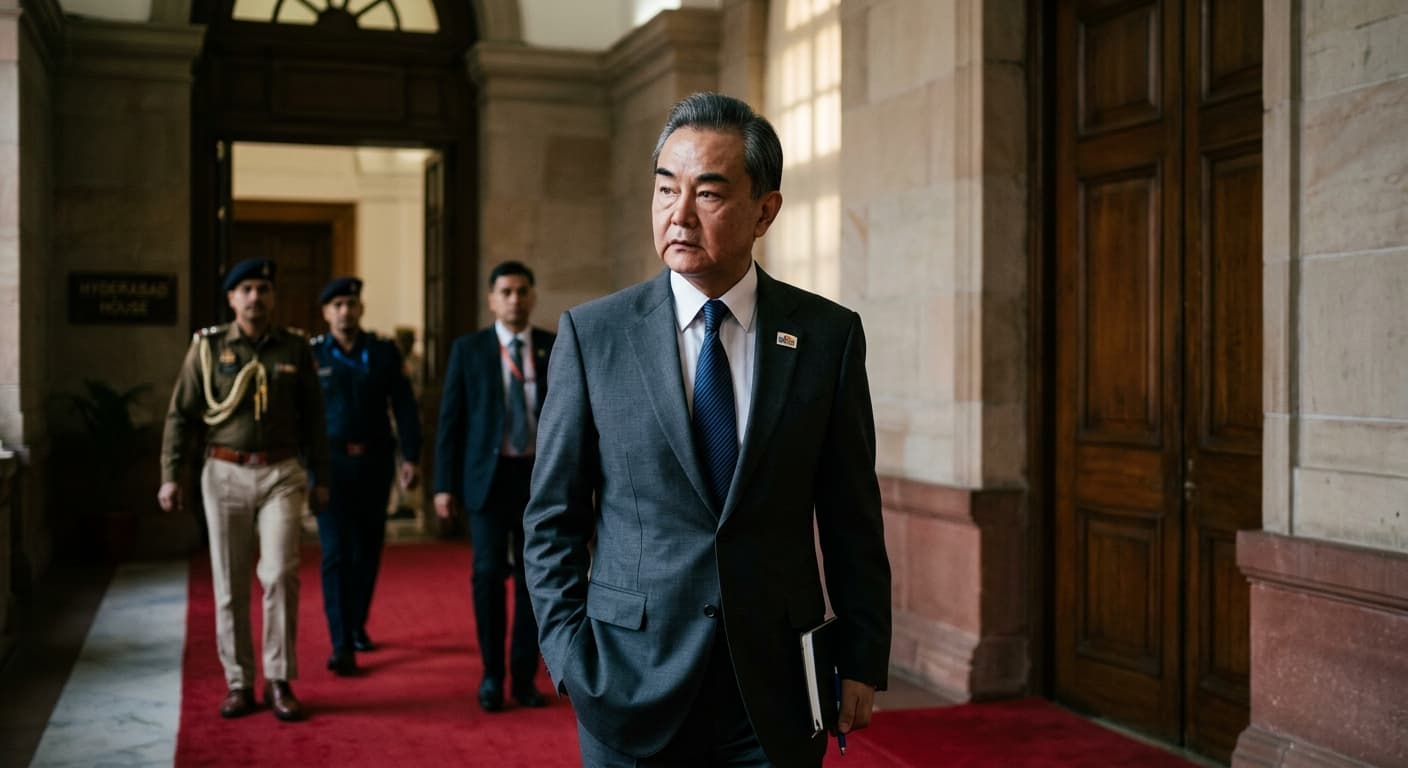
Wang Yi's Delhi Trip Signals China's Play for India Amid Energy Windfall
China sends Foreign Minister to BRICS security talks as India weighs fuel cuts tied to collapsing oil prices
The Hindu reported that Chinese Foreign Minister Wang Yi will attend a BRICS National Security Advisors meeting in New Delhi on June 22–23, a high-profile move that telegraphs Beijing's intent to shape the bloc's security agenda while India holds the chair. The timing is deliberate: it comes as
falling crude prices create leverage for Delhi to signal its willingness to cut fuel costs for voters, but only if the geopolitical situation stays stable.
Wang's presence—not a deputy's—signals China's weight. Beijing is positioning itself as essential to BRICS coherence on security matters at a moment when the bloc nearly fractured over the Middle East. In May, BRICS foreign ministers left Delhi without a joint statement after members Iran and the UAE deadlocked on the West Asia war. That failure reinforced the fact that BRICS, now expanded to 11 members, lacks consensus on its most pressing regional crisis. By attending the NSA meeting personally, Wang implicitly offers China as a unifying force—a signal India's Modi government will not ignore as it tries to deliver tangible wins during its 2026 presidency.
The fuel price signal is India's own hedge. On June 18, Sujata Sharma, Joint-Secretary at the Union Petroleum Ministry, told reporters that any cut in retail fuel prices would depend on "the evolving global situation"—diplomatic shorthand for: we're watching the Strait of Hormuz, and we'll act if the Iran deal holds. That phrasing matters. Brent crude fell to $77.96 a barrel on June 18, the lowest since the Iran war began, after the
Trump-Pezeshkian ceasefire deal promised to reopen the chokepoint within 30 days. India, the world's third-largest oil importer, has endured volatile energy costs since March; last month, it ended a four-year fuel price freeze and hiked rates twice in a week. Now, with oil stabilizing, Modi's government faces domestic pressure to reverse course—but only if it can blame geopolitical forces, not its own policy.
The Security Backdrop: BRICS Without Consensus
Wang's Delhi trip lands amid Beijing's own effort to reclaim ground in BRICS after the May ministers' meeting exposed Iran's and the UAE's irreconcilable positions. Chinese officials have a history of attending NSA meetings to emphasize counter-terrorism and cybersecurity—terrain where BRICS consensus is easier to manufacture than on Middle East politics. That framing sidesteps the war's impact on shipping and energy markets, which directly damage India and South Asia's economies.
For Modi's presidency, Wang's attendance signals that China will participate constructively in BRICS forums, easing fears that China-India border tensions will paralyze the bloc. Delhi needs that signal; if BRICS appears fractured, Washington will exploit it by driving wedges between members—a real risk under Trump's emerging trade agenda and his hostility to any BRICS attempt to de-dollarize.
What to Watch
The June 22–23 statement. Watch whether BRICS NSAs release a joint statement or another chair's summary—a gap signals ongoing member divisions. Second: India's fuel price call. If the Strait remains open and oil stays near $75–80, Delhi will face a choice between delivering cheaper petrol before late-2026 elections and protecting exchequer revenues. Third: Wang-Doval bilateral. The NSA meeting will almost certainly include a one-on-one between Wang and Indian National Security Adviser Ajit Doval; any announcement on border talks will signal whether China-India relations can hold during India's BRICS year.
Discover more

India
India-South Korea $50B Trade Expansion Plan
India and South Korea target $50 billion in bilateral trade by 2030, focusing on industrial cooperation and strategic alignment amid US pressures.

Conflict & Security
Drone Warfare Killing Aid Workers at Unprec
Over 1,000 humanitarian workers killed in three years as cheap armed drones collapse legal protections. Gaza, Sudan, Ukraine, and DRC see deliberate targeting of aid convoys and hospitals with zero prosecutions.

Global
World Normalises Taliban as Afghan Women Eras
UN data shows Afghan women erased from public life as Russia recognises the Taliban, EU hosts officials in Brussels, and ICC warrants for gender persecution go unenforced.
Conflict & Security
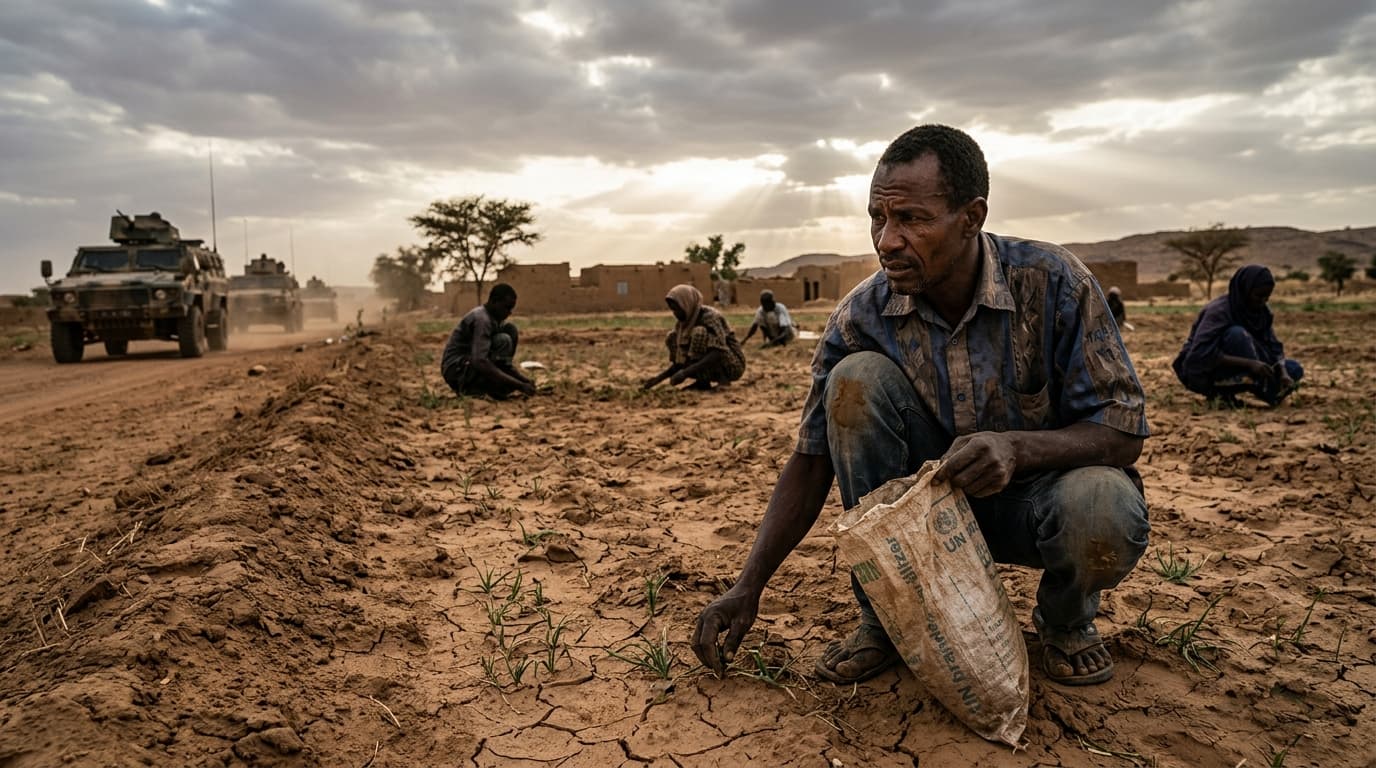
West Africa Food Crisis: Three Shocks in 2026
Conflict, climate extremes, and the Strait of Hormuz closure drive a severe food crisis in West and Central Africa, with fertilizer prices surging 80% and millions displaced.