US Visa Sanctions Threaten China Over Deport
Washington warns Beijing over undocumented nationals' repatriation
Model Diplomat2 min readNorth America
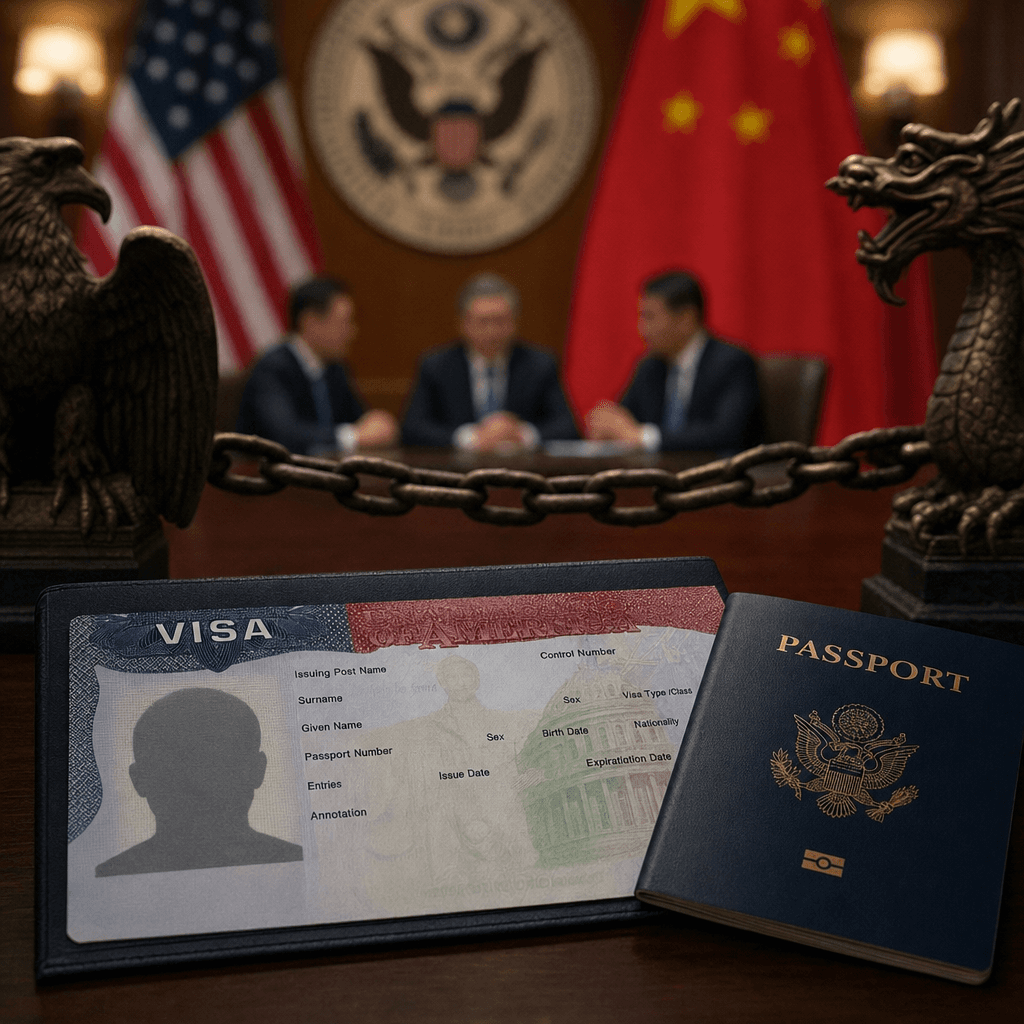
US Threatens Visa Sanctions: China's Deportation Stance Draws Fire
Washington warns Beijing of stricter visa measures if China does not increase cooperation on repatriating its undocumented nationals, a move coinciding with diplomatic engagements.
A senior U.S. official has stated that China is significantly slowing its efforts to repatriate Chinese nationals residing in the United States illegally, warning that Washington is prepared to impose stricter visa sanctions if Beijing does not alter course. This direct challenge to China’s cooperation levels on immigration enforcement escalates a long-standing dispute, leveraging U.S. immigration policy as a point of diplomatic pressure. The U.S. demand centers on Beijing providing necessary travel documents and accepting charter and commercial flights carrying its citizens back to China.
This dispute is unfolding within the broader context of Global Politics, where immigration has become a crucial bargaining chip for the current U.S. administration. China has historically resisted U.S. requests to repatriate tens of thousands of its citizens who have overstayed visas or entered the U.S. illegally, often citing the need for verification and citing that such processes take time. While China previously indicated willingness to accept "confirmed Chinese nationals," cooperation has reportedly scaled back significantly in recent months after initial flights in early 2025. Under Section 243(d) of the Immigration and Nationality Act, the U.S. possesses the authority to implement visa sanctions against countries deemed "recalcitrant" in accepting their deportees. These potential sanctions could include increased cash bonds for visa applications and broader visa denials, impacting future travel for Chinese citizens. Crucially, the issue is now intricately linked to President Trump's upcoming state visit to Beijing scheduled for May 14-15, where the repatriation of undocumented nationals is expected to be a key agenda item.
The focus now shifts to President Trump's meetings with Xi Jinping. Beijing’s response to this latest U.S. pressure will reveal its willingness to concede on this issue, potentially at the risk of jeopardizing travel for law-abiding citizens, or whether it will leverage the situation for other diplomatic gains. Observers will watch for any tangible shifts in China's cooperation or specific retaliatory measures from the U.S. following the presidential visit.
Discover more

Global Politics
US Seizes Iranian Ship, Tensions Surge
The US seizure of the Iranian ship Touska highlights a shift in control over the Strait of Hormuz, favoring Iran's strategic position.

Conflict & Security
Drone Warfare Killing Aid Workers at Unprec
Over 1,000 humanitarian workers killed in three years as cheap armed drones collapse legal protections. Gaza, Sudan, Ukraine, and DRC see deliberate targeting of aid convoys and hospitals with zero prosecutions.

Global
World Normalises Taliban as Afghan Women Eras
UN data shows Afghan women erased from public life as Russia recognises the Taliban, EU hosts officials in Brussels, and ICC warrants for gender persecution go unenforced.
Conflict & Security
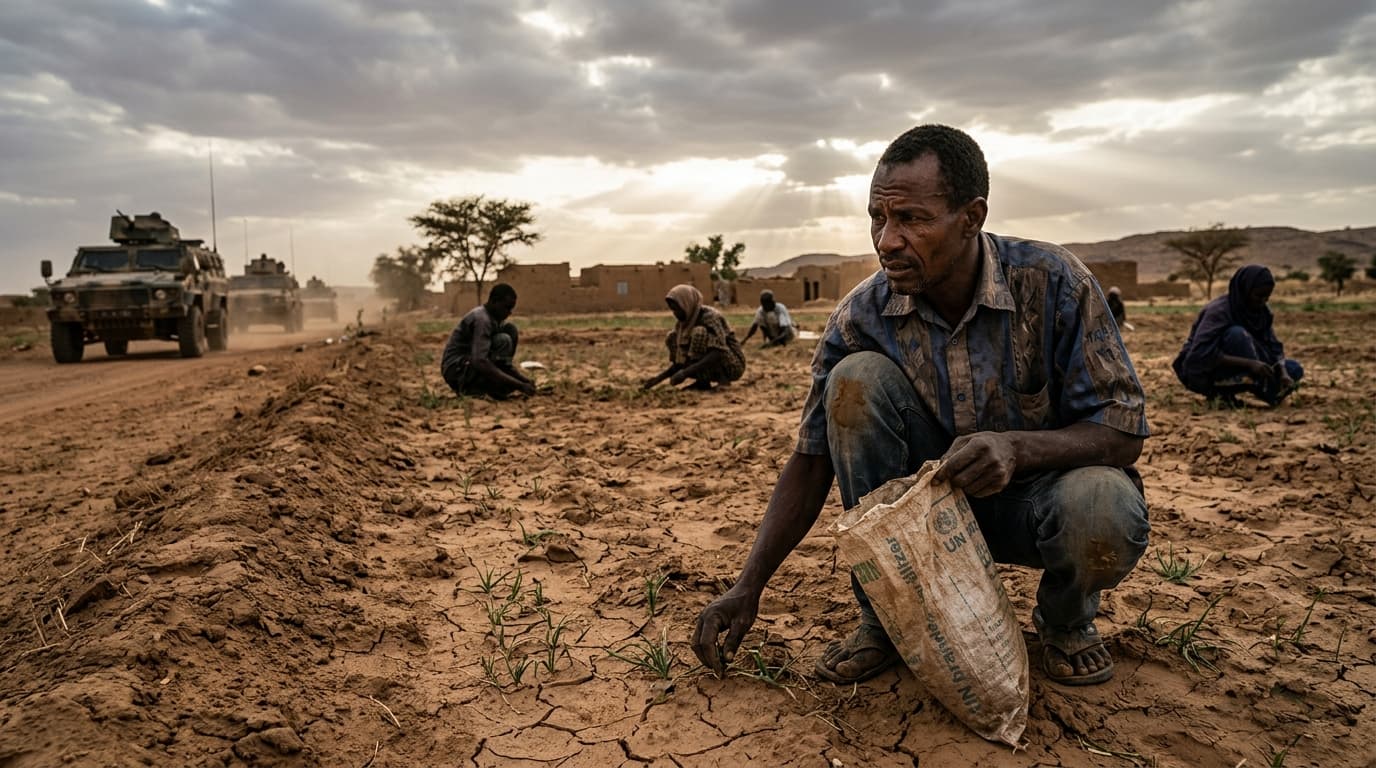
West Africa Food Crisis: Three Shocks in 2026
Conflict, climate extremes, and the Strait of Hormuz closure drive a severe food crisis in West and Central Africa, with fertilizer prices surging 80% and millions displaced.