U.S. Strikes Iran Amid Doha Negotiations
Limited military action aims to influence Iran talks
Model Diplomat3 min readMiddle East
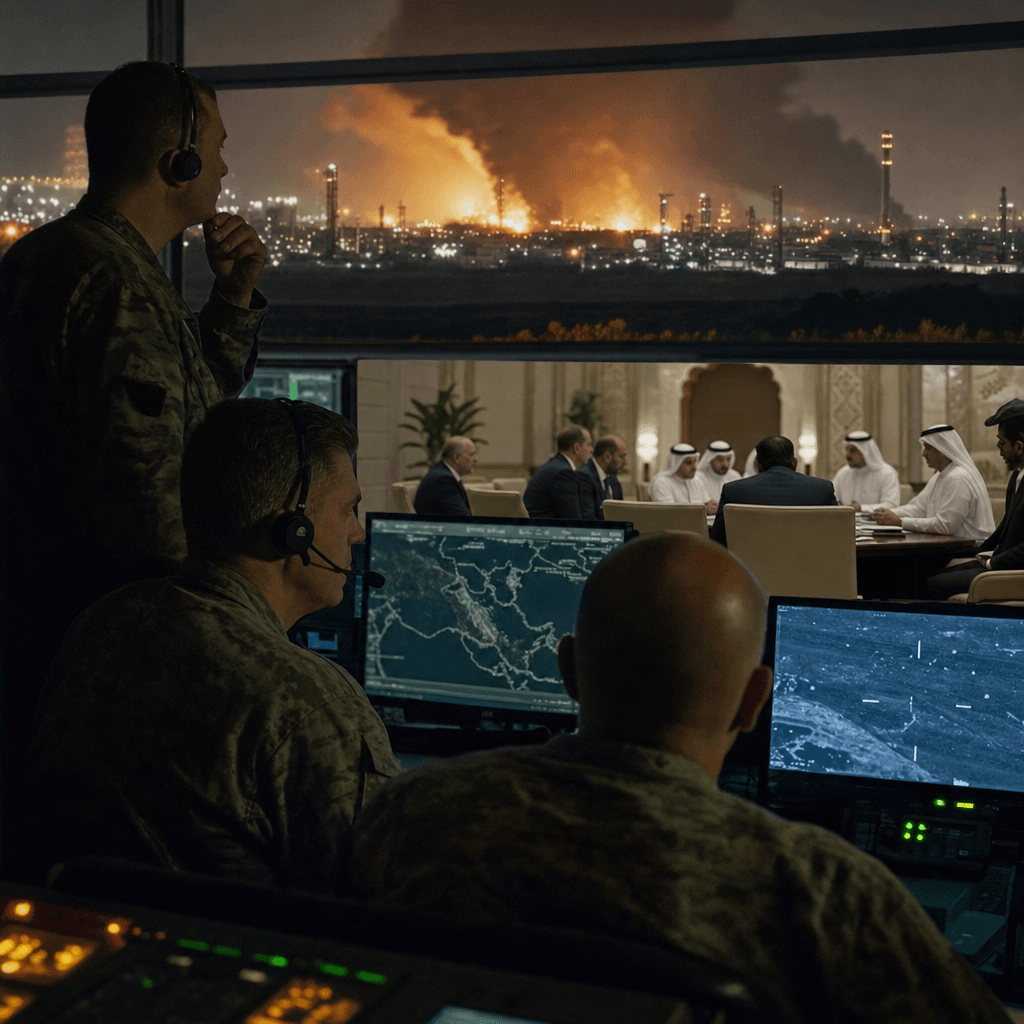
U.S. Hits Iran as Doha Talks Test Trump’s Deal Formula
Washington is using limited strikes to keep leverage in the Iran talks, betting pressure on mines and missiles can force a maritime deal before nuclear issues.
The United States hit missile launch sites and boats “attempting to emplace mines” in southern Iran while Tehran’s negotiators were in Qatar, a sign that Washington is trying to negotiate from the air as well as at the table (The Guardian;
Al Jazeera). CENTCOM called the operation self-defense and said it did not mean the ceasefire was over; Marco Rubio then said a deal was still possible and that the Strait of Hormuz would open “one way or another” (
Al Jazeera;
The Guardian).
The real bargaining chip is Hormuz
This is not mainly about the strike package itself. It is about who controls the tempo of de-escalation. The reported framework under discussion would have Washington unfreeze some Iranian assets held outside Iran, including in Qatar, while Iran restores commercial shipping through the Strait of Hormuz; nuclear talks would come later, in a 30- to 60-day follow-on window (The Guardian;
Al Jazeera). That sequencing matters. Trump can claim a “peace deal” without immediately solving the hardest nuclear issue, while Tehran can claim it forced sanctions relief and a partial retreat on maritime pressure.
For United States policymakers, that is the appeal: convert military pressure into a narrow, enforceable trade-off. For Iran, the bargain only works if it gets economic liquidity and a pause in attacks before it gives up leverage in the Gulf. The talks in Qatar show both sides still see value in the channel, even as they are trying to raise the other side’s costs.
Coercion is now part of the negotiation
The immediate risk is that this formula makes the ceasefire more brittle, not less. A limited strike can signal resolve; repeated strikes can destroy the credibility of the talks. CENTCOM’s line that the operation was defensive is meant to preserve room for diplomacy, but it also tells Tehran that Washington will keep hitting mine-laying teams and missile infrastructure as long as they threaten U.S. forces or shipping (Al Jazeera). That gives the U.S. leverage, but it also gives Iranian hardliners an argument that diplomacy is simply cover for coercion.
The political winner, for now, is the one who can say they are still talking while demonstrating strength. Trump gets to present himself as the only actor who can both bomb and bargain. Iran gets time, and time keeps the nuclear file from closing on terms it does not like. The loser is anyone betting on a clean, immediate ceasefire that settles everything at once.
What to watch next
The next decision point is Doha this week: whether negotiators turn the reported framework into a written memorandum, whether Iran accepts shipping concessions in exchange for asset relief, and whether CENTCOM widens its strikes if mine-laying resumes (The Guardian;
Al Jazeera). If the sides can lock in the Strait of Hormuz first, the rest of the deal becomes harder to undo. If they cannot, the ceasefire becomes a pause, not a settlement.
Discover more
Global
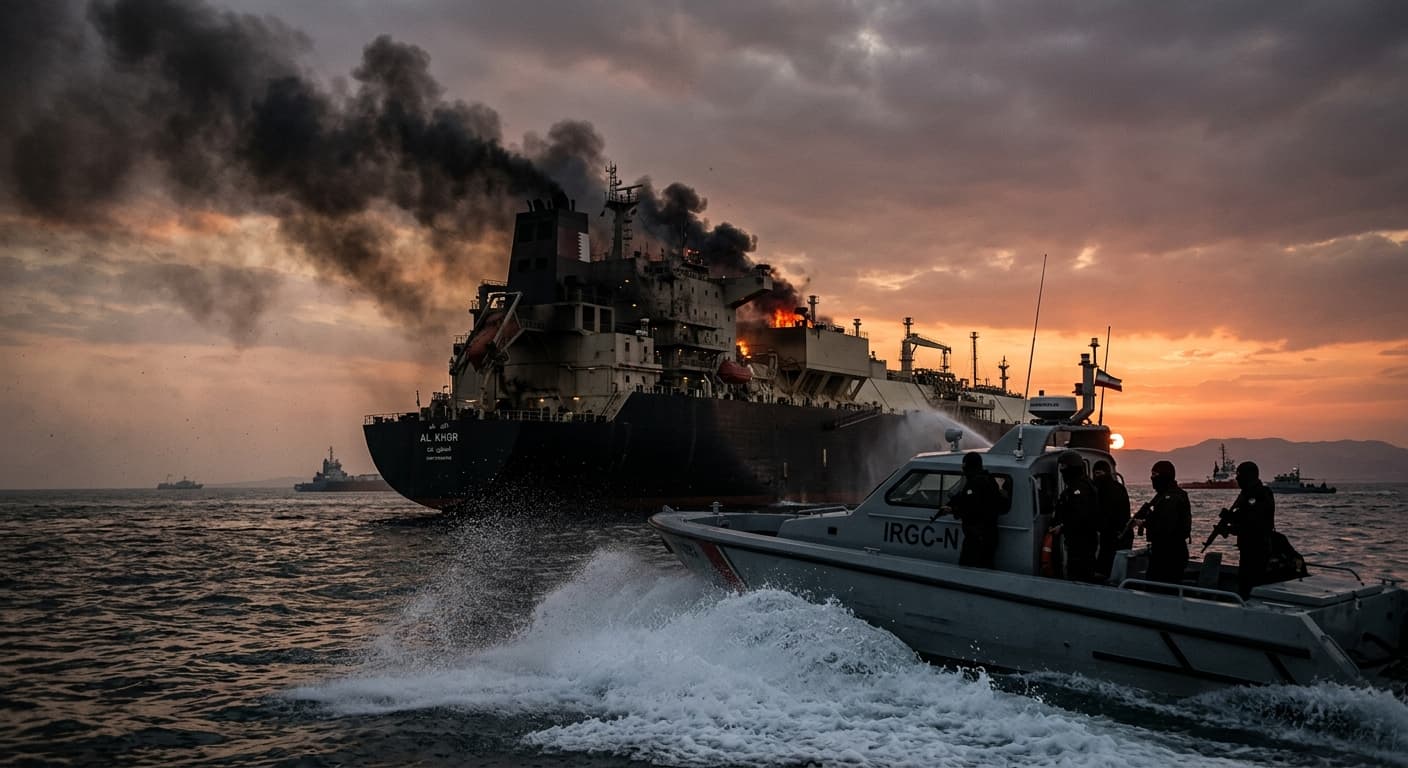
Qatari Tanker Strike Exposes Hormuz Tensions
A Qatari tanker was struck off Oman, revealing the fragility of the Hormuz ceasefire and Iran's influence over maritime security.
Global
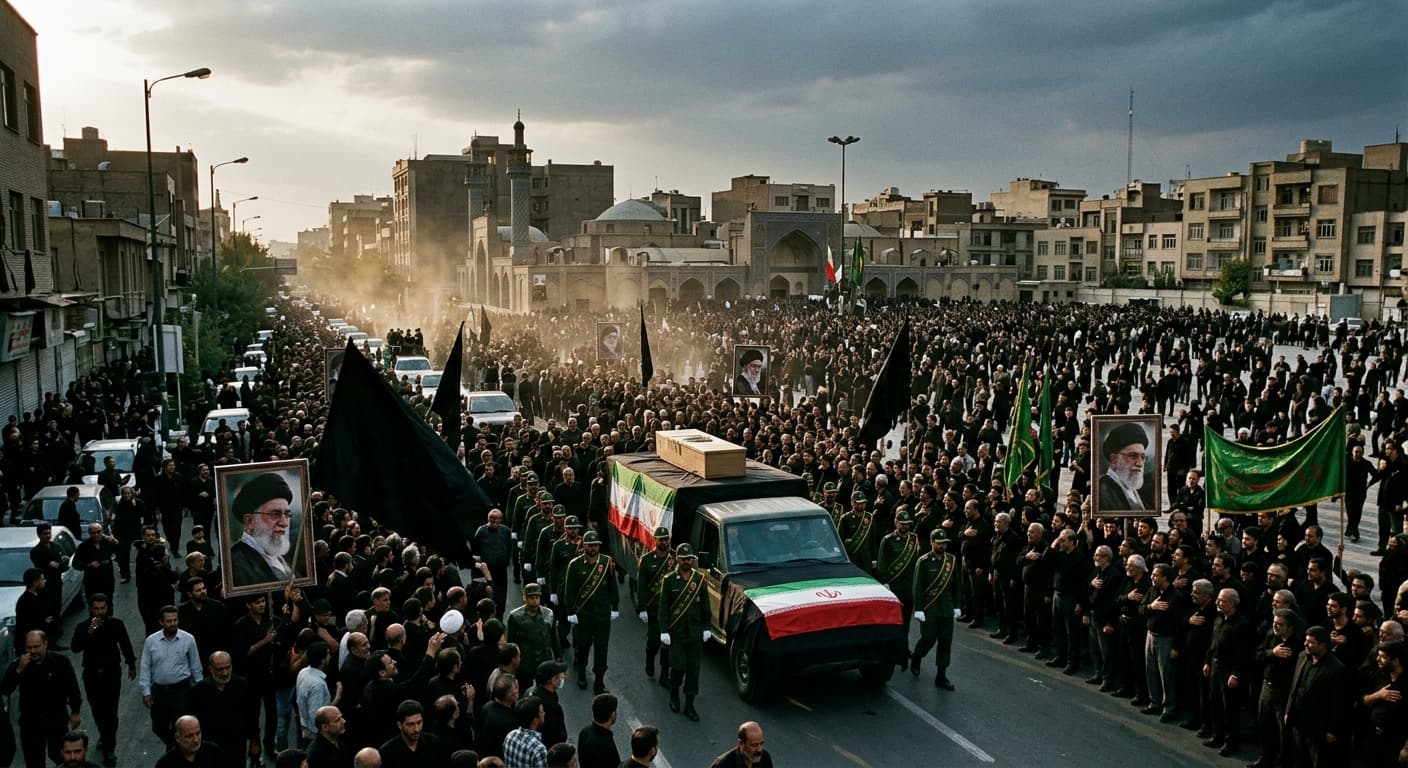
Khamenei's Funeral Signals Iran's Decline
The funeral of Ayatollah Khamenei highlights Iran's diminished influence in the Gulf, with regional powers now dictating terms.
Global
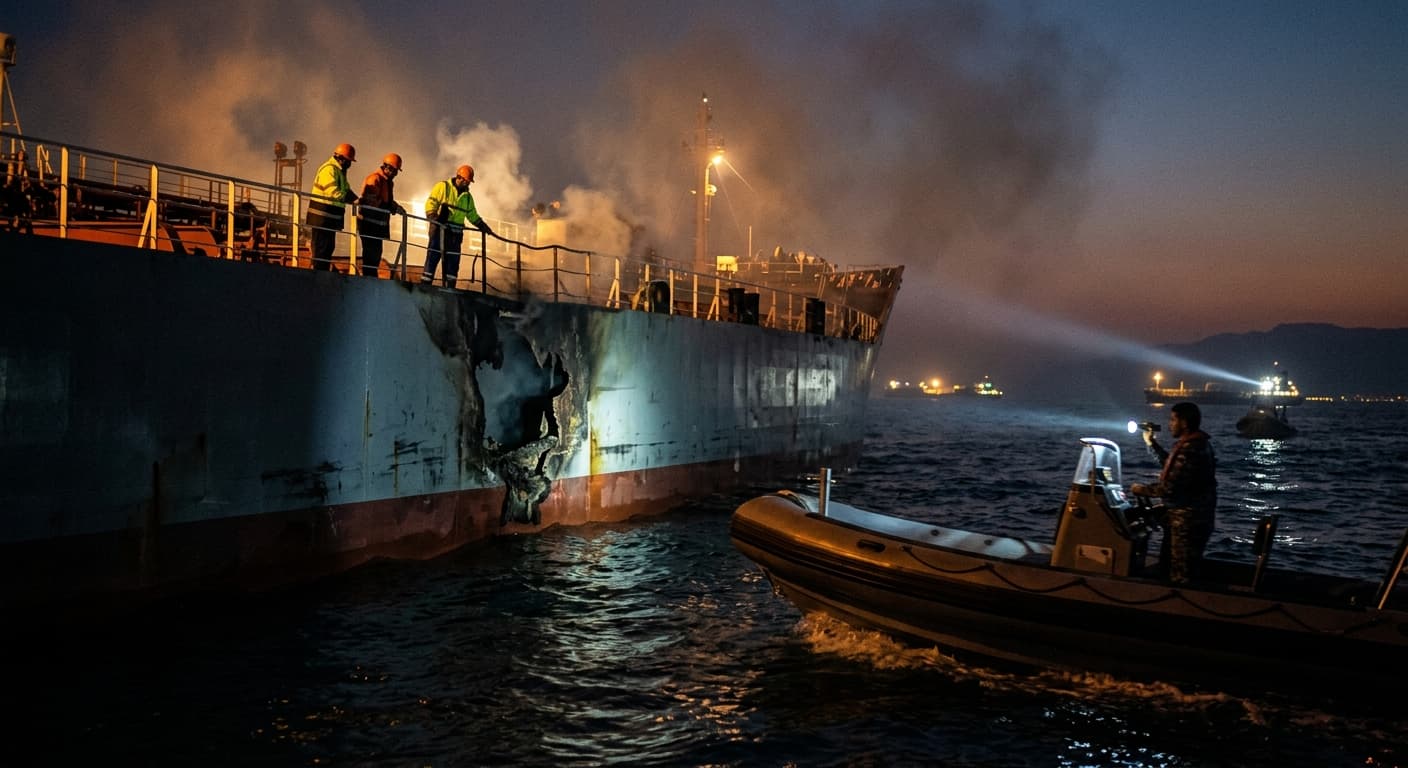
Iran's Hormuz Missile Strikes: A Toll Booth
Iran's missile attack on a Qatari-linked tanker highlights Tehran's strategy to control the Strait of Hormuz, impacting Gulf states and maritime law.

Tech Policy
Iran's Cavern Manticore Targets Israel's IT
Cavern Manticore, an Iran-linked hacking group, targets Israeli IT vendors, prompting a shift in Israel's cybersecurity policy and legislative efforts.