US Pushes UN for Strait of Hormuz Action
Washington aims to strengthen its position against Iran at the UN.
Model Diplomat3 min readMiddle East
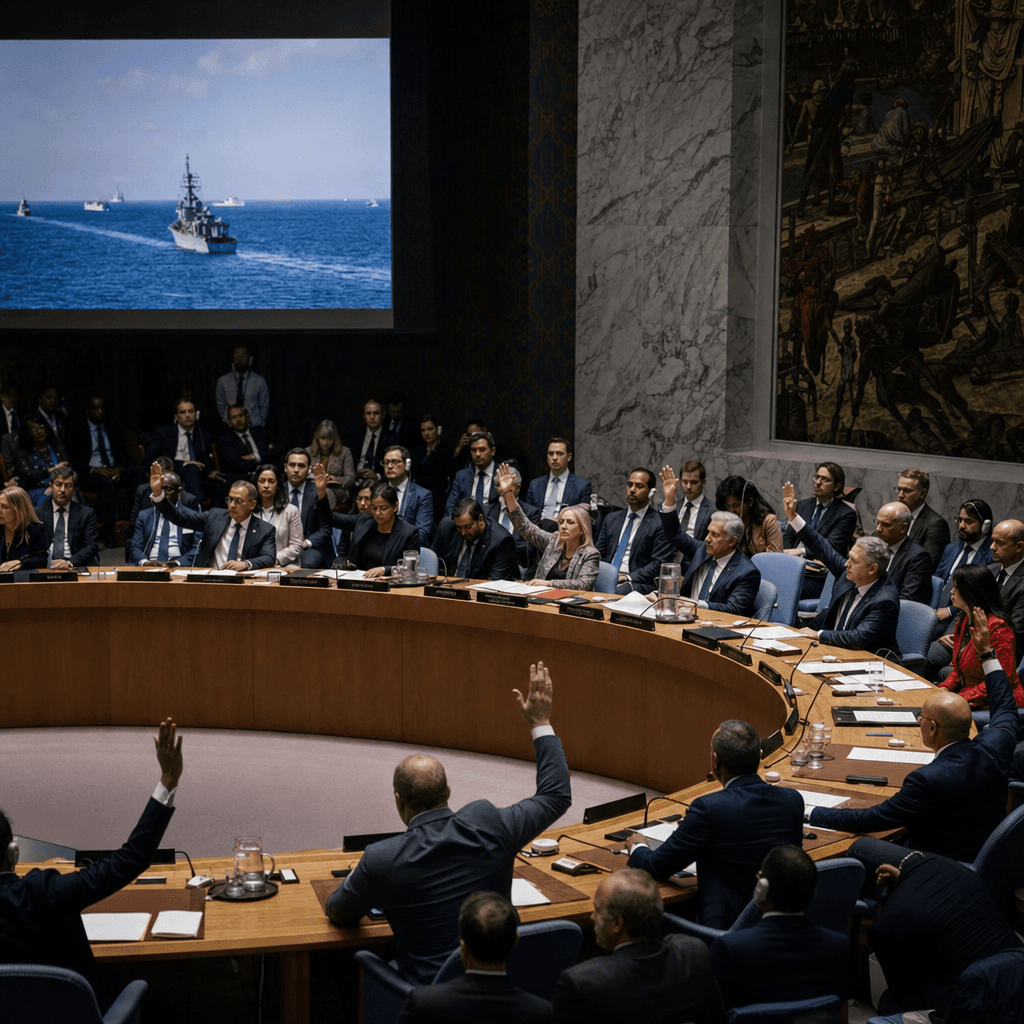
US Takes Hormuz Fight to UN After Earlier Veto Setback
Washington is trying to turn a maritime standoff into a Security Council test, but China and Russia can still block the leverage it wants.
The United States is trying to internationalize the Strait of Hormuz crisis on terms that could strengthen its hand without committing it to a direct escalation. In the draft Security Council resolution reported by Al Jazeera, Secretary of State Marco Rubio is pressing the UN to demand that Iran stop attacks on shipping, remove mines, and allow humanitarian relief through the waterway; the text could trigger sanctions and, under Chapter VII, keep open the option of force if Tehran fails to comply. That is the point: Washington wants UN legitimacy for pressure on Iran, not just another statement of concern.
Why the US is going to New York now
The timing is not accidental. A prior Bahrain-led resolution on Hormuz was vetoed by China and Russia in April, according to Al Jazeera, after the draft had already been watered down to avoid explicit force authorization. The new text, now backed by Bahrain, Saudi Arabia, the UAE, Kuwait and Qatar, is designed to look narrower and more defensible: freedom of navigation, mine removal, humanitarian access, and reporting back within 30 days. That framing matters because it gives the Gulf states cover to align with Washington while shifting the burden onto Tehran and its patrons.
This is also a political test for the administration. Rubio is explicitly casting the vote as a referendum on the UN’s usefulness, as reported by Al Jazeera. That is telling: the US has spent years treating multilateral institutions as tools of convenience, yet now needs the Security Council to validate a containment strategy in one of the world’s most sensitive chokepoints. The United States is effectively asking the UN to repair leverage that military pressure alone has not secured. For context on the broader diplomatic terrain, see
Global Politics.
Who benefits, and who can still block it
The immediate beneficiaries are the Gulf monarchies backing the draft. They want a rules-based cover for keeping tanker traffic moving and for painting Iran as the source of disruption. The US benefits if the council vote isolates Tehran and gives Washington a legal basis for harsher measures. If the text passes, even without a perfect enforcement mechanism, it raises the diplomatic cost for states that continue to trade with or shield Iran.
But the veto players still hold the decisive leverage. AP reported that the draft threatens Iran with sanctions or “other measures” if it does not stop attacks, disclose mine locations, and allow freedom of navigation. That is a hard line, and hard lines at the Security Council usually fail when one or two permanent members decide the text is one-sided. China has energy exposure in the Gulf and no appetite for a resolution that could legitimize escalation. Russia has every incentive to make the US pay a diplomatic price for using the UN to box in Iran.
What to watch next
The immediate decision point is the vote timing. Washington wants a final text circulated by Friday and a vote early next week, according to AP. Watch whether China and Russia demand language that strips out sanctions, weakens Chapter VII, or inserts condemnation of US and Israeli strikes. If they veto again, the US will likely fall back on ad hoc maritime protection and a tighter Gulf coalition. If they abstain, Washington gains something more valuable than a resolution: a claim that even its rivals accept Iran’s conduct is the problem.
Discover more

Global Politics
US Seizes Iranian Ship, Tensions Surge
The US seizure of the Iranian ship Touska highlights a shift in control over the Strait of Hormuz, favoring Iran's strategic position.

Conflict & Security
Drone Warfare Killing Aid Workers at Unprec
Over 1,000 humanitarian workers killed in three years as cheap armed drones collapse legal protections. Gaza, Sudan, Ukraine, and DRC see deliberate targeting of aid convoys and hospitals with zero prosecutions.

Global
World Normalises Taliban as Afghan Women Eras
UN data shows Afghan women erased from public life as Russia recognises the Taliban, EU hosts officials in Brussels, and ICC warrants for gender persecution go unenforced.
Conflict & Security
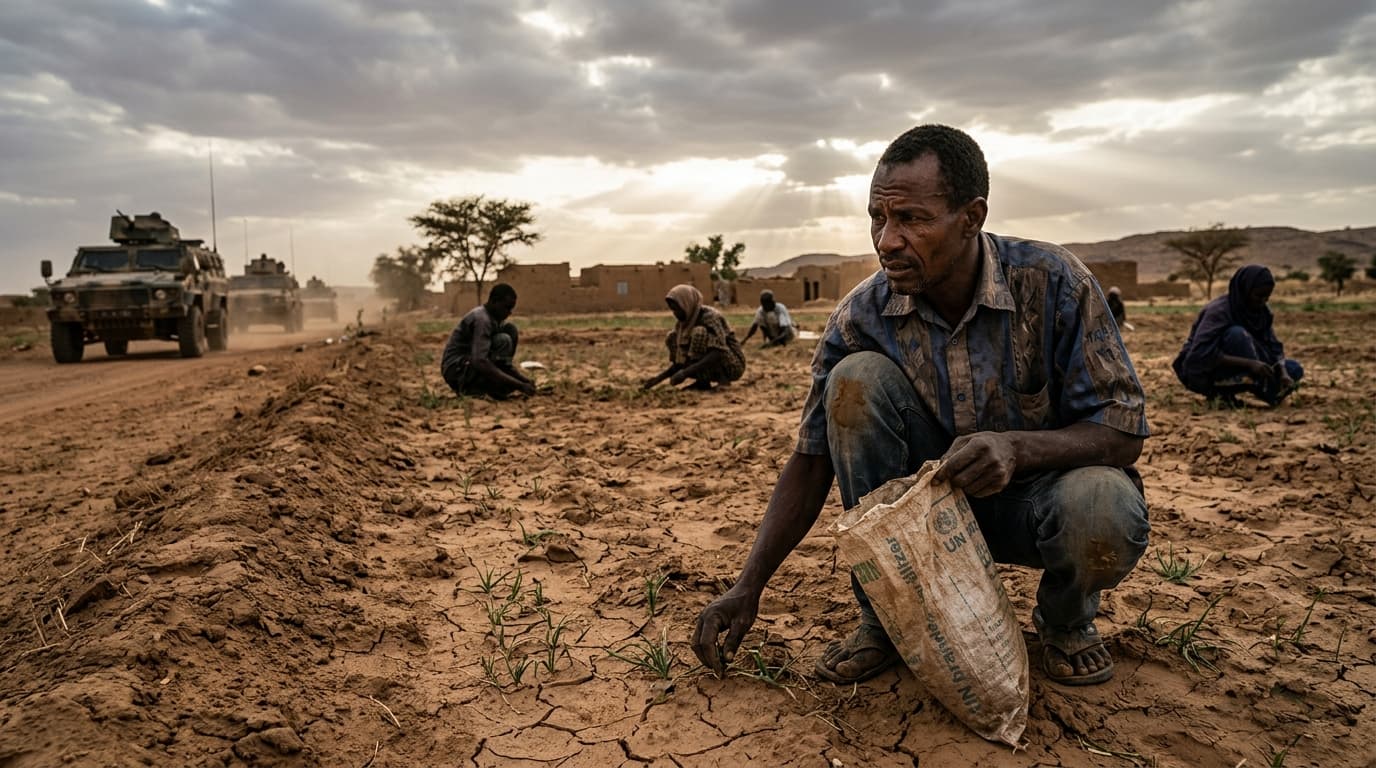
West Africa Food Crisis: Three Shocks in 2026
Conflict, climate extremes, and the Strait of Hormuz closure drive a severe food crisis in West and Central Africa, with fertilizer prices surging 80% and millions displaced.