US Project Freedom: Reopening Strait of Hormz
New initiative seeks to guide vessels through critical waterway
Model Diplomat6 min readMiddle East
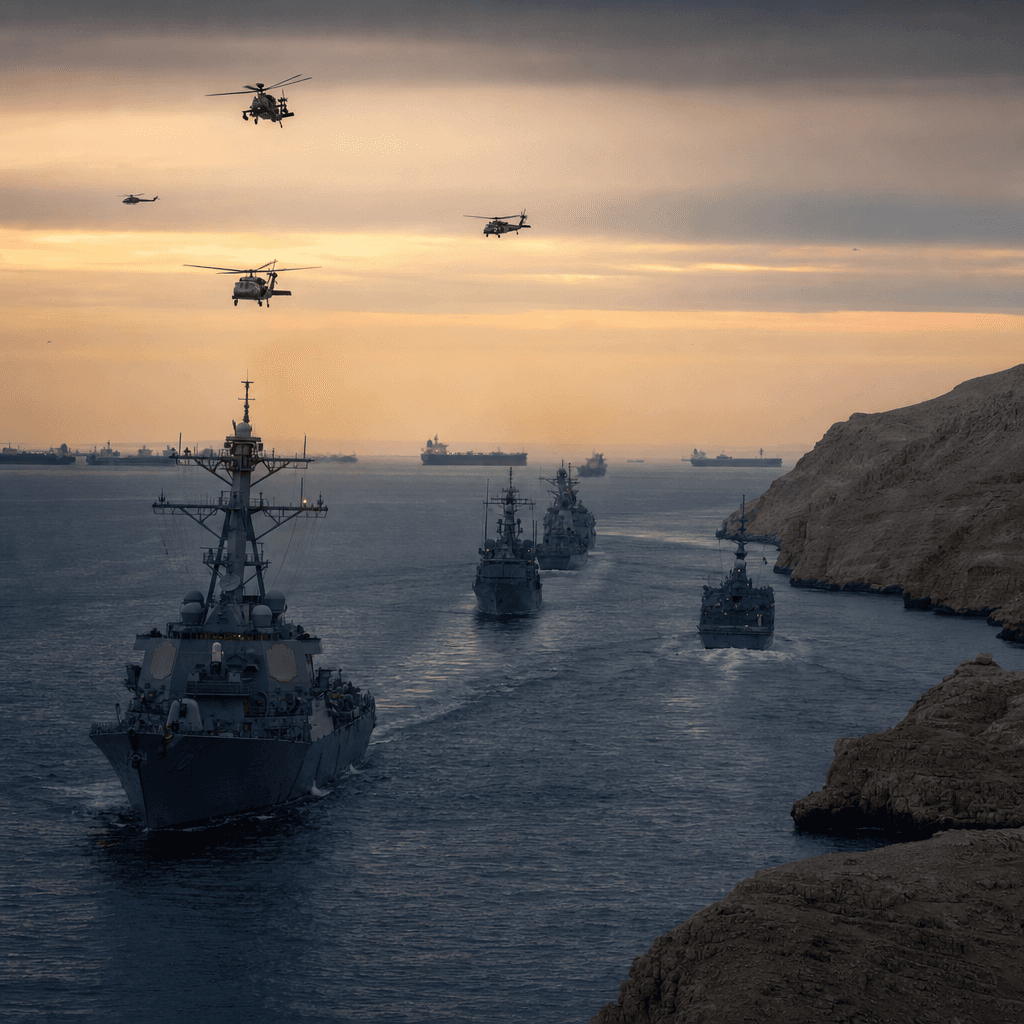
The US-led "Project Freedom" initiative, launched yesterday, aims to reopen the Strait of Hormuz amidst escalating tensions and a fragile ceasefire with Iran. The operation seeks to guide stranded commercial vessels through the critical waterway, which has been effectively closed by Iran for over two months since the start of the US-Israel war on Iran in late February. The initiative involves guided-missile destroyers, numerous aircraft, unmanned platforms, and 15,000 service members.
The immediate market reaction was a surge in oil prices, with Brent crude reaching its highest point of 2026. This surge underscores the global reliance on the Strait of Hormuz, through which approximately 20 percent of the world's oil passes. Despite the US military's assertion that two US-flagged merchant vessels successfully transited the strait, the broader market remains skeptical. Analysts point to the inherent risks of military confrontation with Iran, the ongoing threat of Iranian mines in the waterway, and the potential for retaliatory attacks, suggesting that "Project Freedom" may offer only temporary relief at best.
Iran has warned that any foreign military force, particularly the U.S., attempting to enter the Strait of Hormuz will be targeted. The initiative has also been met with criticism from some experts who argue that a purely military solution is unlikely to resolve the ongoing crisis, citing the potential for further escalation and the need for diplomacy. The United Arab Emirates reported coming under attack for the first time since the ceasefire, raising further concerns about the fragile peace.
Power Dynamic: U.S. vs. Iran in the Strait of Hormuz
President Trump initiated "Project Freedom" to break Iran's effective chokehold on the Strait of Hormuz, aiming to alleviate global economic pressures and deny Iran a critical strategic asset. Iran, in turn, has leveraged its control of the strait to exert pressure on the US and its allies, demonstrating its ability to disrupt global energy supplies and inflict economic hardship. The US action is an attempt to reassert freedom of navigation and diminish Iran's leverage, but it carries the significant risk of reigniting full-scale conflict and further destabilizing the region. The U.S. seeks to re-establish control over a vital global chokepoint, while Iran aims to maintain its strategic advantage gained through its blockade.
Who Benefits and Who Loses
Beneficiaries: Primarily, countries and industries reliant on unimpeded oil and gas flow stand to benefit if "Project Freedom" succeeds in restoring normal transit. This includes global consumers facing high energy prices and nations dependent on imports. Additionally, companies involved in energy infrastructure and logistics would see increased activity. The US, under President Trump's administration, positions itself as a decisive actor addressing a major global economic crisis, potentially bolstering its standing.
Losers: Iran faces the direct challenge to its strategically vital control of the Strait of Hormuz, potentially losing significant leverage. Shipping companies and their insurers face heightened risks of attack and increased insurance premiums. The global economy, already strained by the prolonged disruption, risks further shockwaves if the operation leads to renewed hostilities or fails to secure transit. The United Arab Emirates, having come under attack, faces immediate security threats. Countries dependent on imported energy, if prices continue to surge or supply remains uncertain, will absorb the economic fallout.
What to Watch Next
The immediate focus will be on the actual transit success rate of commercial vessels under "Project Freedom" and the Iranian response. Key indicators include any further Iranian provocations or attacks on ships or US assets, and the sustained level of oil prices beyond today's surge. Observers should also monitor diplomatic channels for any signals of de-escalation or renewed negotiation attempts. The May 15 deadline for Iran's proposed negotiations, mentioned in some reports, could become a critical juncture. Any significant military escalation could render the ceasefire moot and plunge the region into a more volatile phase.
Sources:
CNN
Council on Foreign Relations
BBC
Al Jazeera
AP News
US attempts to reopen Strait of Hormuz spark price surge and fears of renewed hostilities.
The US-led "Project Freedom" initiative, launched yesterday, aims to reopen the Strait of Hormuz amidst escalating tensions and a fragile ceasefire with Iran. The operation seeks to guide stranded commercial vessels through the critical waterway, which has been effectively closed by Iran for over two months since the start of the US-Israel war on Iran in late February. The initiative involves guided-missile destroyers, numerous aircraft, unmanned platforms, and 15,000 service members.
The immediate market reaction was a surge in oil prices, with Brent crude reaching its highest point of 2026. This surge underscores the global reliance on the Strait of Hormuz, through which approximately 20 percent of the world's oil passes. Despite the US military's assertion that two US-flagged merchant vessels successfully transited the strait, the broader market remains skeptical. Analysts point to the inherent risks of military confrontation with Iran, the ongoing threat of Iranian mines in the waterway, and the potential for retaliatory attacks, suggesting that "Project Freedom" may offer only temporary relief at best.
Iran has warned that any foreign military force, particularly the U.S., attempting to enter the Strait of Hormuz will be targeted. The initiative has also been met with criticism from some experts who argue that a purely military solution is unlikely to resolve the ongoing crisis, citing the potential for further escalation and the need for diplomacy. The United Arab Emirates reported coming under attack for the first time since the ceasefire, raising further concerns about the fragile peace.
Power Dynamic: U.S. vs. Iran in the Strait of Hormuz
President Trump initiated "Project Freedom" to break Iran's effective chokehold on the Strait of Hormuz, aiming to alleviate global economic pressures and deny Iran a critical strategic asset. Iran, in turn, has leveraged its control of the strait to exert pressure on the US and its allies, demonstrating its ability to disrupt global energy supplies and inflict economic hardship. The US action is an attempt to reassert freedom of navigation and diminish Iran's leverage, but it carries the significant risk of reigniting full-scale conflict and further destabilizing the region. The U.S. seeks to re-establish control over a vital global chokepoint, while Iran aims to maintain its strategic advantage gained through its blockade.
Who Benefits and Who Loses
Beneficiaries: Primarily, countries and industries reliant on unimpeded oil and gas flow stand to benefit if "Project Freedom" succeeds in restoring normal transit. This includes global consumers facing high energy prices and nations dependent on imports. Additionally, companies involved in energy infrastructure and logistics would see increased activity. The United States, under President Trump's administration, positions itself as a decisive actor addressing a major global economic crisis, potentially bolstering its standing.
Losers: Iran faces the direct challenge to its strategically vital control of the Strait of Hormuz, potentially losing significant leverage. Shipping companies and their insurers face heightened risks of attack and increased insurance premiums. The global economy, already strained by the prolonged disruption, risks further shockwaves if the operation leads to renewed hostilities or fails to secure transit. The United Arab Emirates, having come under attack, faces immediate security threats. Countries dependent on imported energy, if prices continue to surge or supply remains uncertain, will absorb the economic fallout.
What to Watch Next
The immediate focus will be on the actual transit success rate of commercial vessels under "Project Freedom" and the Iranian response. Key indicators include any further Iranian provocations or attacks on ships or US assets, and the sustained level of oil prices beyond today's surge. Observers should also monitor diplomatic channels for any signals of de-escalation or renewed negotiation attempts. The May 15 deadline for Iran's proposed negotiations, mentioned in some reports, could become a critical juncture. Any significant military escalation could render the ceasefire moot and plunge the region into a more volatile phase.
Sources:
Discover more

Global Politics
US Seizes Iranian Ship, Tensions Surge
The US seizure of the Iranian ship Touska highlights a shift in control over the Strait of Hormuz, favoring Iran's strategic position.

Conflict & Security
Drone Warfare Killing Aid Workers at Unprec
Over 1,000 humanitarian workers killed in three years as cheap armed drones collapse legal protections. Gaza, Sudan, Ukraine, and DRC see deliberate targeting of aid convoys and hospitals with zero prosecutions.

Global
World Normalises Taliban as Afghan Women Eras
UN data shows Afghan women erased from public life as Russia recognises the Taliban, EU hosts officials in Brussels, and ICC warrants for gender persecution go unenforced.
Conflict & Security
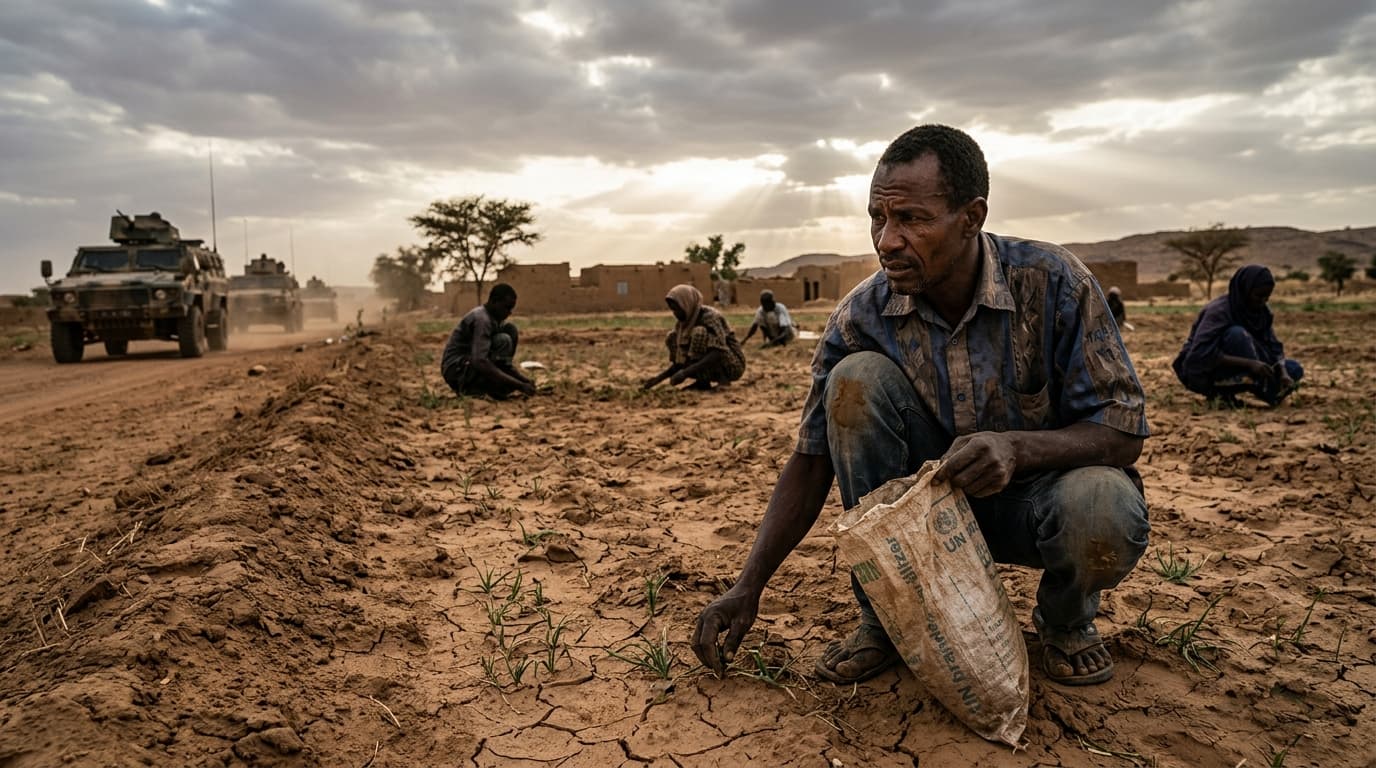
West Africa Food Crisis: Three Shocks in 2026
Conflict, climate extremes, and the Strait of Hormuz closure drive a severe food crisis in West and Central Africa, with fertilizer prices surging 80% and millions displaced.