U.S. Maritime Pressure on Iran
U.S. intensifies maritime and sanctions efforts against Iran
Model Diplomat3 min readMiddle East
U.S. Maritime Pressure on Iran Signals Shifts in Gulf Strategy
The U.S. has intensified military and sanctions efforts targeting Iran’s maritime activities in April 2026, subtly tightening control over Gulf shipping lanes amid broader Middle East tensions.
The United States is escalating pressure on Iran through a combination of maritime security measures and economic sanctions targeting Tehran’s strategic hold over Gulf shipping routes. While not officially declaring a blockade, recent U.S. actions amount to a de facto maritime interdiction effort designed to restrict Iranian influence in crucial waterways including the Strait of Hormuz, a choke point for nearly a fifth of the world’s oil supply.
Why It Matters: More Than Just Sanctions
The U.S. move reflects growing anxiety about Tehran’s role destabilizing the region and disrupting global energy flows. Since the start of 2026, tensions have simmered following a series of U.S.-Israeli strikes against Iranian proxies and nuclear-related facilities. Iran has retaliated with missile exchanges and drone attacks targeting U.S. assets and allies. The U.S. military buildup in the Gulf includes a greater naval presence tasked with monitoring and intercepting suspect Iranian vessels, aiming to choke off weapons smuggling and hard currency flow generated from illicit maritime trade.
This escalation is significant for several reasons:
- Energy Markets: The Strait of Hormuz remains vital to global oil supply, with about 13 million barrels per day passing through. Any disruption risks spike volatility in energy markets, a concern underscored by the International Energy Agency (IEA)’s warnings. U.S. moves inherently tighten access and elevate the risk premium on Middle East oil exports.
- Geopolitical Signaling: Beyond physical interdiction, the U.S. strategy sends a clear message to Tehran and regional actors that Washington intends to enforce red lines around Iran’s nuclear ambitions and proxy activities without direct large-scale combat.
- Sanctions Enforcement: These maritime measures complement tightened sanctions on Iranian energy and transport sectors announced by the Treasury. Together, they target the economic lifelines fueling Tehran’s regional assertiveness.
This multipronged approach echoes successful U.S. sanctions enforcement during the early 2010s, which significantly constrained Iran’s oil exports and contributed to bringing Tehran back to negotiation tables. The current approach is calibrated to avoid full blockade—which would risk open conflict—while maintaining maximum pressure.
What to Watch Next
- Iran’s Response: Tehran’s likely counters include increasing asymmetric attacks on commercial vessels and U.S. naval assets, and further complicating maritime monitoring with advanced drone and missile technologies.
- Diplomatic Maneuvers: Concurrently, Pakistan’s army chief has reportedly scheduled talks in Tehran to nudge Iran-U.S. dialogue forward, reflecting ongoing efforts to find negotiation openings despite heightened tensions.
- Congressional & NATO Posture: Washington’s allies in the Gulf and in NATO may face pressure to endorse or expand maritime security roles, influencing U.S. military commitments and burden-sharing in a protracted strategic contest.
For anyone tracking Middle East security and energy implications, this phase represents a cautious but critical escalation in U.S.-Iran rivalry. It blends naval muscle with economic warfare—testing thresholds on Tehran’s patience and the global energy market’s resilience.
See more on Global Politics and the
United States.
Sources:
Discover more

US Politics
Biden's $1.5T Military Budget Amid Iran Tense
The Biden administration's $1.5 trillion military budget faces scrutiny amid murky Iran war costs, exposing deep fiscal and strategic challenges for US defense.
US Politics
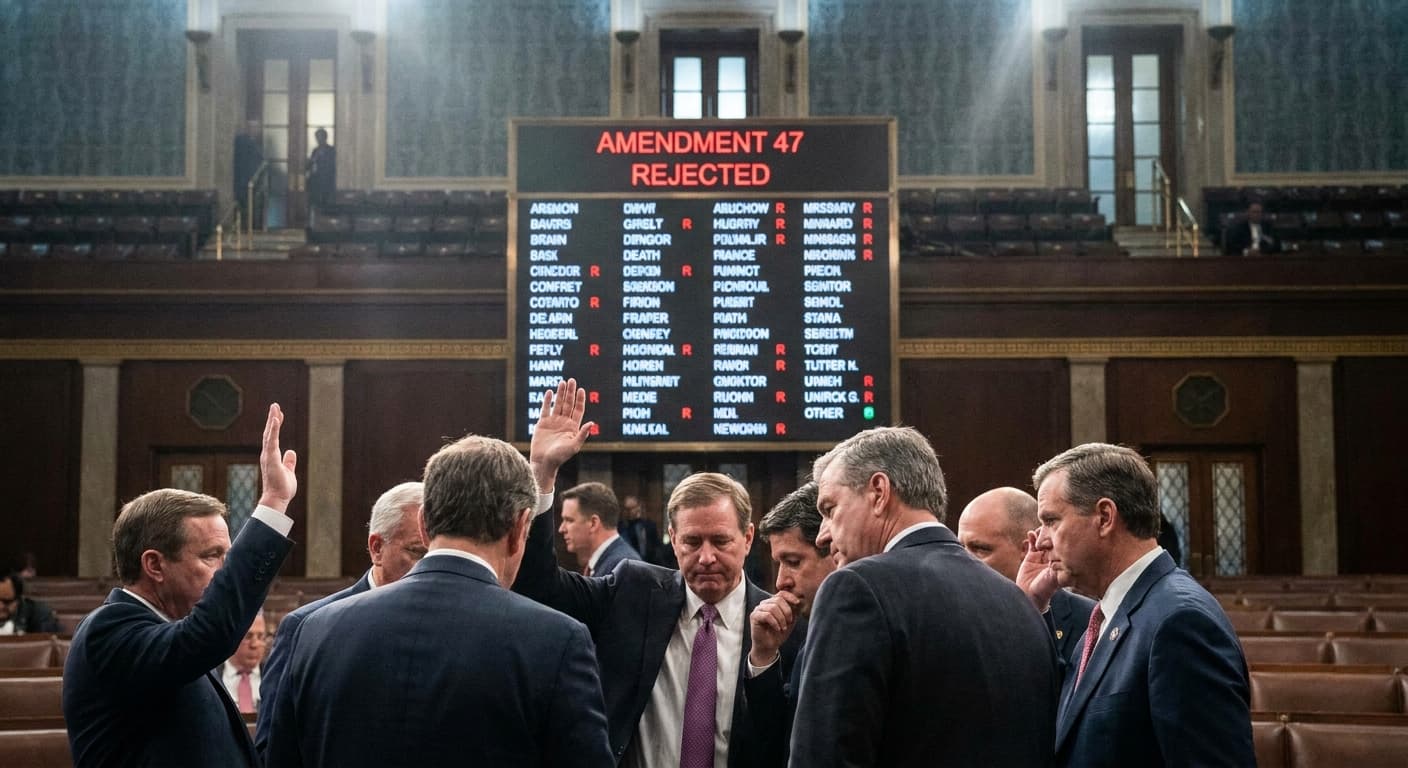
House Rejects Resolution on Trump's Iran Host
The House voted down a resolution to limit Trump's military actions in Iran, laying bare partisan divides and reigniting debate over presidential war powers.

Global Politics
Day 47 of US-Iran Conflict
On day 47 of the US-Iran conflict, Red Cross aid reaches Iran as military strikes continue, underscoring a tangled humanitarian and geopolitical crisis.

Economics
Fed's Amex AML order puts correspondent banking on notice
Federal Reserve's Amex AML order requires board-level controls and a 90-day plan; OCC fined the bank $350 million over enterprise-wide deficiencies.