US-Iran Truce Falters Amid Hormuz Tensions
Ceasefire strained by shipping clashes in Hormuz Strait.
Model Diplomat2 min readMiddle East
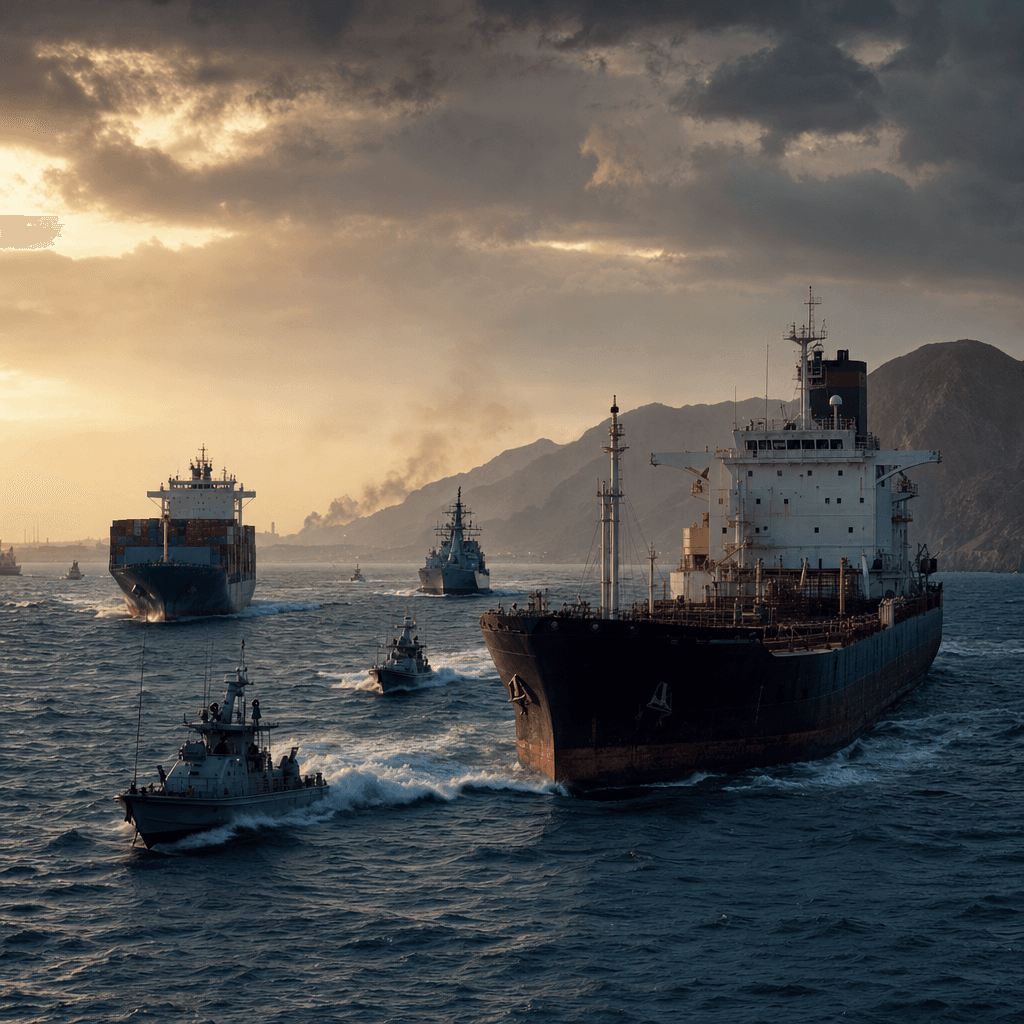
US-Iran Truce Buckles as Hormuz Becomes the Front Line
The ceasefire is being squeezed by shipping clashes in the Strait of Hormuz, where Tehran has leverage and Washington is trying to break it without triggering a wider war.
The truce is weakening because Iran still controls the escalation ladder in Hormuz, while the U.S. is trying to reopen the waterway with military escort, sanctions pressure and now a push at the U.N. Security Council. The Guardian says the stalemate is taking a toll on both sides;
Reuters reports fresh exchanges of fire have shaken a four-week-old truce and prompted U.S.-backed draft U.N. action that could lead to sanctions if Iran keeps targeting commercial shipping.
Hormuz is the leverage point
This is not a normal ceasefire dispute. The Strait of Hormuz is the world’s most important energy chokepoint, with roughly a fifth of global oil and LNG moving through it in peacetime, according to Reuters and
Al Jazeera. That gives Tehran a direct pressure tool against Gulf exporters, Asian importers and global shipping insurers. It also explains why Washington is treating freedom of navigation as the real strategic objective, not just a maritime side issue.
AP says the U.S. has already used a guided shipping effort for stranded vessels, while Iranian officials have framed that move as a ceasefire violation.
Who gains from the stalemate
The current freeze benefits the side that can wait longer. Iran is trying to force recognition of its terms — sanctions relief, an end to the blockade and a wider rollback of U.S. pressure — while keeping enough disruption in the strait to make inaction costlier for Washington and its partners. AP reports Tehran has kept insisting ships coordinate with Iranian authorities, and
AP says U.S. officials are also trying to deny Iran oil revenue by holding back tanker traffic. That means the real winners so far are neither side, but hardliners in both capitals: in Washington, those arguing the truce is only cover for coercion; in Tehran, those arguing the U.S. will not ease pressure without being forced.
For readers tracking the broader power balance, this is the kind of crisis that can spill from maritime pressure into regime-level bargaining. See also Global Politics and
United States.
What to watch next
The next decision point is May 8, when Reuters says Washington wants a final U.N. draft circulated, with a Security Council vote likely early next week. If Russia or China block or dilute the text, the U.S. may have to choose between a narrower coalition effort and a sharper unilateral posture. If Iran’s attacks on shipping continue before then, the truce will look less like a pause than a countdown. Reuters
Discover more

Global Politics
US Seizes Iranian Ship, Tensions Surge
The US seizure of the Iranian ship Touska highlights a shift in control over the Strait of Hormuz, favoring Iran's strategic position.

Conflict & Security
Drone Warfare Killing Aid Workers at Unprec
Over 1,000 humanitarian workers killed in three years as cheap armed drones collapse legal protections. Gaza, Sudan, Ukraine, and DRC see deliberate targeting of aid convoys and hospitals with zero prosecutions.

Global
World Normalises Taliban as Afghan Women Eras
UN data shows Afghan women erased from public life as Russia recognises the Taliban, EU hosts officials in Brussels, and ICC warrants for gender persecution go unenforced.
Conflict & Security
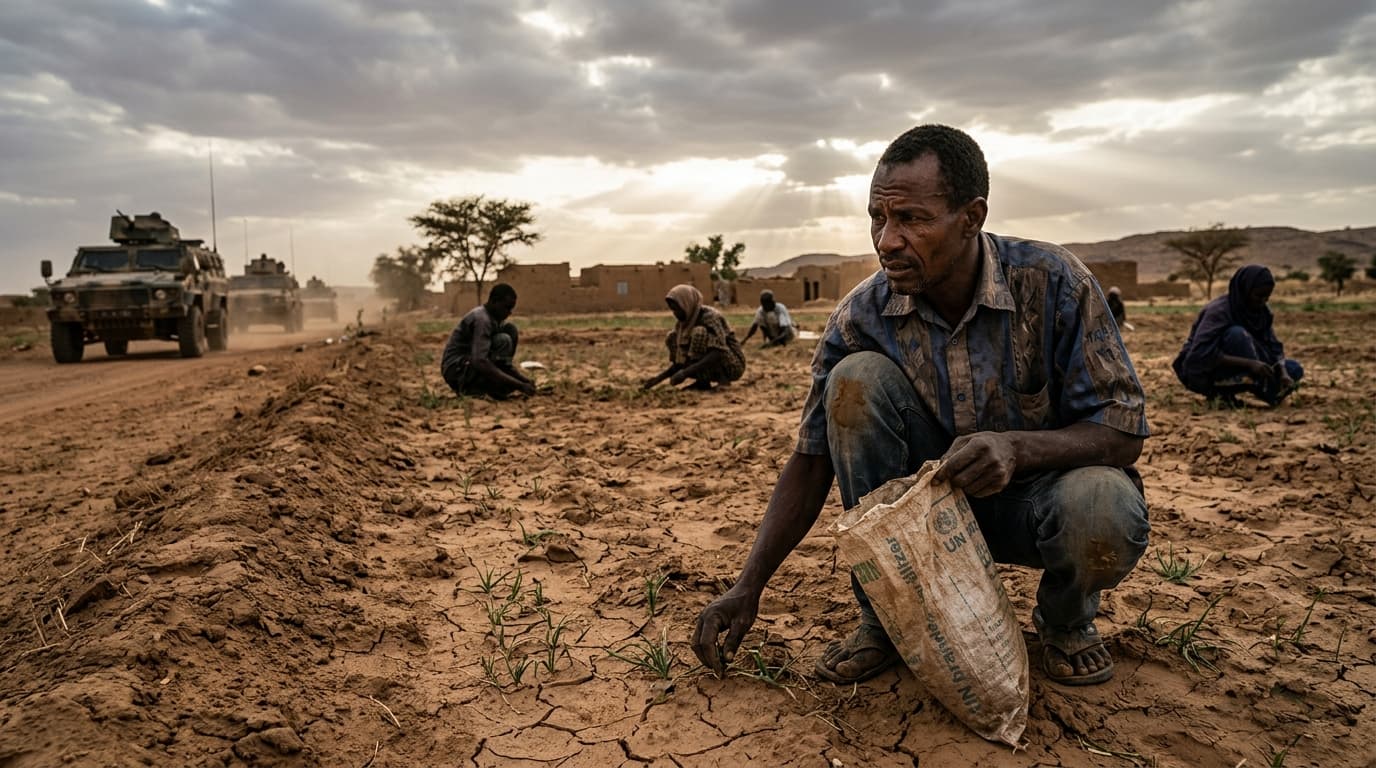
West Africa Food Crisis: Three Shocks in 2026
Conflict, climate extremes, and the Strait of Hormuz closure drive a severe food crisis in West and Central Africa, with fertilizer prices surging 80% and millions displaced.