US-Iran Deal: Hormuz Access and Nuclear Talks
Exploring the US-Iran negotiations over sanctions and Hormuz access.
Model Diplomat3 min readMiddle East
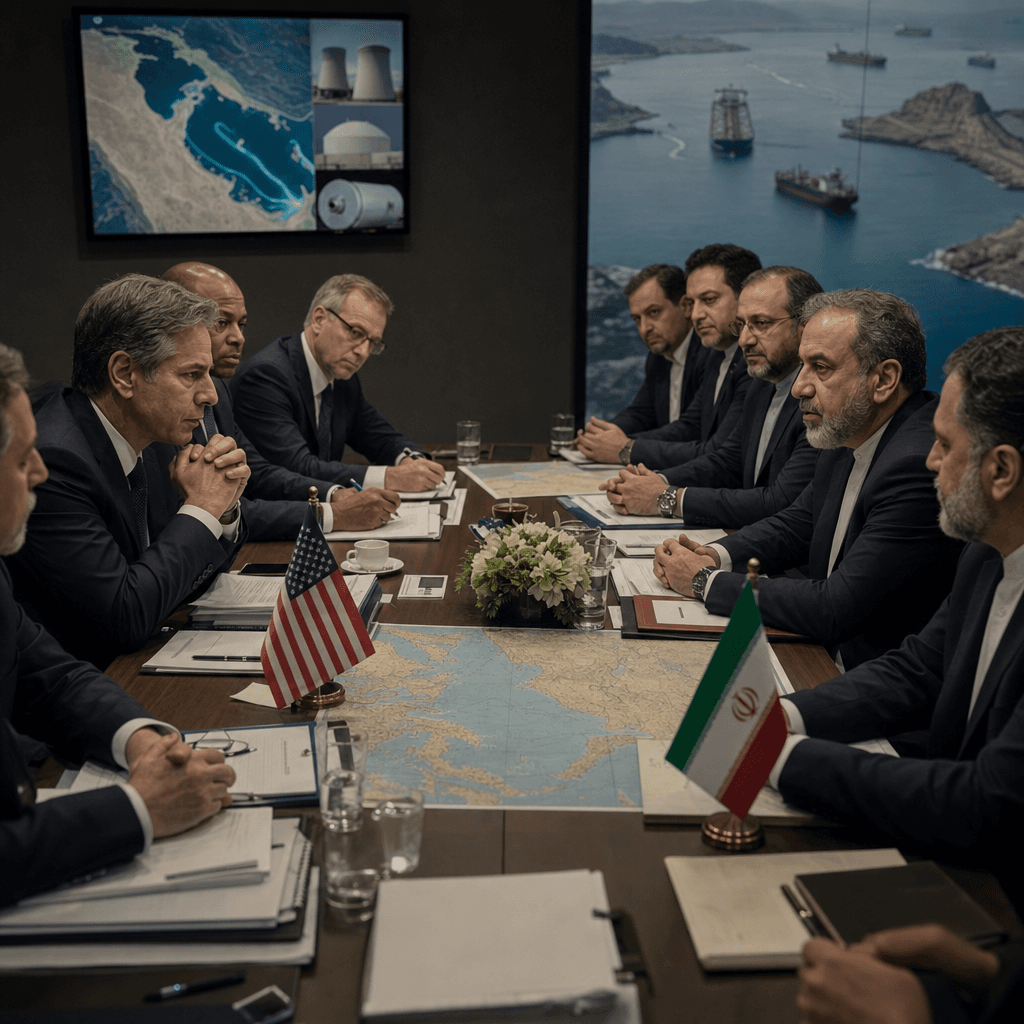
US-Iran Deal Turns on Hormuz, Not Just Nuclear Limits
Washington is trading sanctions relief for nuclear curbs and a Hormuz reopening, but Iran still wants guarantees and leverage.
The bargain on the table
The latest US proposal is less a peace treaty than a temporary leverage swap: Iran would halt enrichment, accept nuclear constraints and reopen the Strait of Hormuz, while the US would lift sanctions and release frozen Iranian assets, according to Al Jazeera and
Reuters. Reuters, citing sources briefed on the mediation, said the two sides are close to a one-page memorandum that would formally end the conflict and start 30 days of detailed negotiations.
That is the power dynamic: Washington has escalation dominance in the air and at sea, but Tehran controls the chokepoint that matters to markets. Al Jazeera reports that roughly a fifth of global oil and gas once moved through Hormuz, and that the blockade has already rattled global growth expectations. For policymakers, this is why the deal is being pushed now, not later.
Why each side thinks it can wait
Iran is not negotiating from weakness alone. It has turned Hormuz into its main bargaining chip and is using the threat to global energy flows to force sanctions relief, asset unfreezing and security guarantees, Al Jazeera. Tehran’s Foreign Ministry says it is still reviewing the text and will reply through Pakistani mediators; Iranian officials have also signaled that, at this stage, they are talking about ending the war, not surrendering their nuclear program.
The US, meanwhile, is trying to convert a fragile pause into a managed settlement without admitting that force failed to produce one. Al Jazeera reports that Trump has paired optimism with threats to resume bombing if talks collapse.
The National says Trump warned, “If they don’t agree, the bombing starts.” That leaves him needing a deal that looks hard on Iran’s nuclear file while also reopening shipping lanes fast enough to calm oil markets.
The real sticking points
The hard part is not the headline framework. It is the unresolved substance. Israel’s position, echoed by Netanyahu, is that all enriched uranium must be removed from Iran, Al Jazeera. Iran says enrichment is non-negotiable and that it will not hand over its stockpile of highly enriched uranium,
Al Jazeera. The reported US text also appears to sidestep other long-standing demands — missiles and regional proxies — that Tehran has rejected before,
Reuters.
That matters because a narrow memorandum can stop shooting, but only a broader settlement can prevent the fight from restarting. If the deal only freezes the conflict, Iran gets sanctions relief and breathing room; the US gets a pause and a market response. If it fails, Washington will try to blame Iranian intransigence, while Tehran will argue the US wanted disarmament, not compromise.
What to watch next
The next decision point is Tehran’s response through Pakistan, expected as soon as today, Al Jazeera. If Iran accepts a preliminary memorandum, watch for a 30-day negotiation clock and whether Hormuz access is reopened in phases or all at once. If it rejects the text, the market test will be immediate: oil, shipping insurance and
Global Politics will move first, diplomacy second.
Discover more

Global Politics
US Seizes Iranian Ship, Tensions Surge
The US seizure of the Iranian ship Touska highlights a shift in control over the Strait of Hormuz, favoring Iran's strategic position.

Conflict & Security
Drone Warfare Killing Aid Workers at Unprec
Over 1,000 humanitarian workers killed in three years as cheap armed drones collapse legal protections. Gaza, Sudan, Ukraine, and DRC see deliberate targeting of aid convoys and hospitals with zero prosecutions.

Global
World Normalises Taliban as Afghan Women Eras
UN data shows Afghan women erased from public life as Russia recognises the Taliban, EU hosts officials in Brussels, and ICC warrants for gender persecution go unenforced.
Conflict & Security
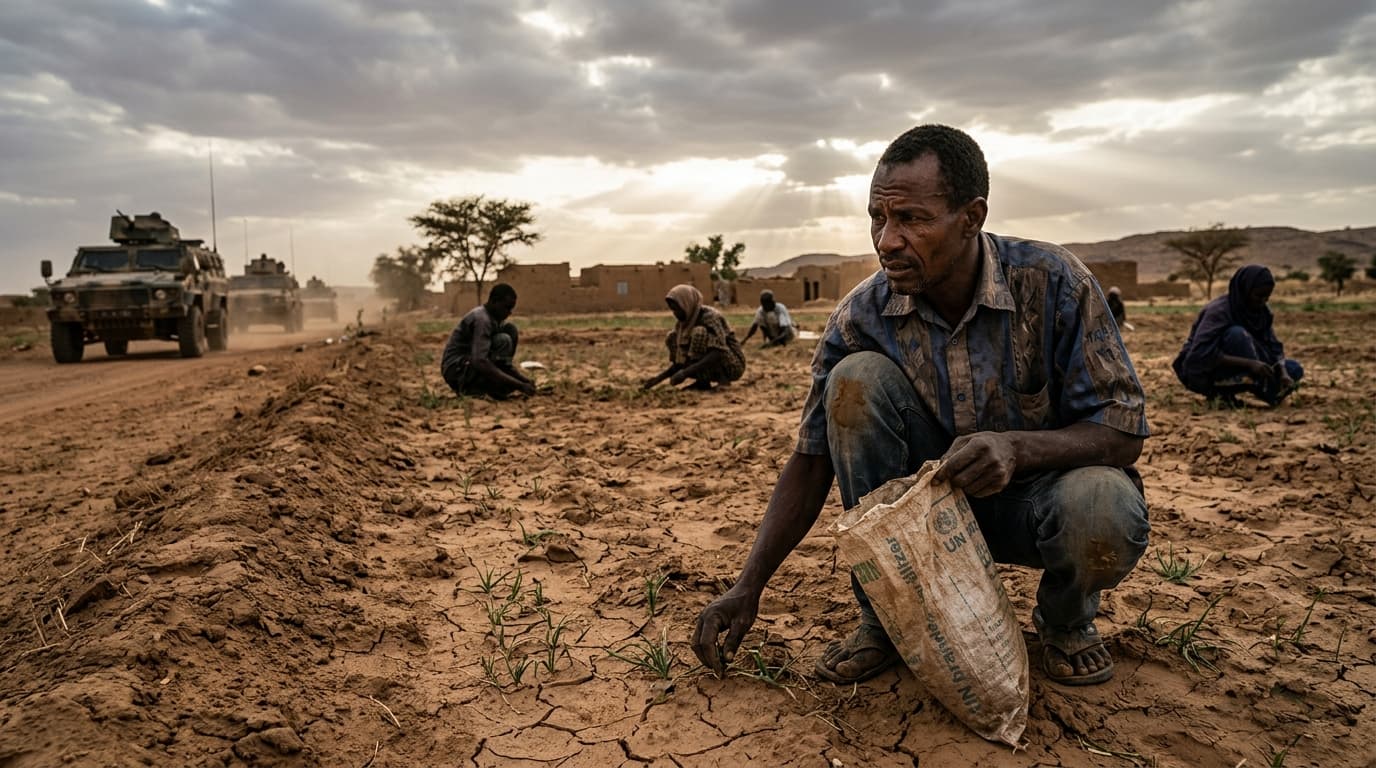
West Africa Food Crisis: Three Shocks in 2026
Conflict, climate extremes, and the Strait of Hormuz closure drive a severe food crisis in West and Central Africa, with fertilizer prices surging 80% and millions displaced.