Cuba's Power Crisis Deepens Amid US Fuel Cuts
Cuba faces a fuel crisis amid US pressure and sanctions.
Model Diplomat3 min readNorth America
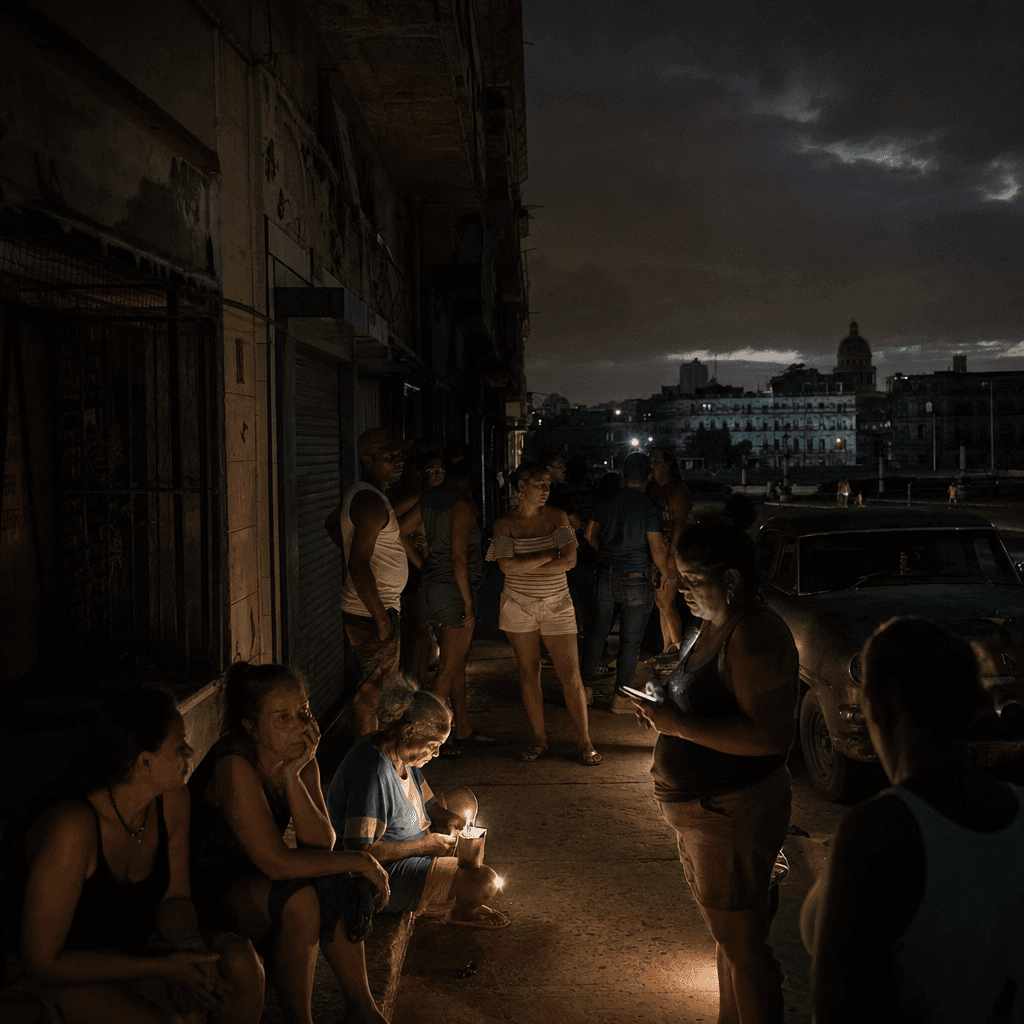
US Fuel Pressure Pushes Cuba Deeper Into Power Collapse
Washington is turning Cuba’s dependence on imported fuel into leverage, while Havana is left trying to keep the grid, hospitals, and transport running.
Washington holds the leverage because Cuba’s energy system is so import-dependent that a cutoff in oil and diesel quickly becomes a political crisis, not just an economic one. BBC News reported that Cubans are facing fuel shortages, rolling blackouts of up to 20 hours, and mounting pressure as US officials step up demands on Havana, with Secretary of State Marco Rubio calling Cuba a “national security threat” and saying the chances of a peaceful deal are “not high” (BBC News).
The pressure point is fuel, not rhetoric
The US is using fuel access as the choke point. Al Jazeera reported in mid-May that the Trump administration had cut the flow of Venezuelan fuel to Cuba, then threatened tariffs against any country that supplies oil to the island — a move that functions as a de facto blockade (Al Jazeera). That matters because Cuba’s system is built around imported hydrocarbons, not domestic resilience. When fuel stops, electricity generation falls, water pumping slows, public transport stalls, and hospitals lose backup capacity.
That is why this pressure campaign lands harder than a conventional sanction package. It does not just squeeze state revenue; it disrupts daily life in ways that raise the domestic political cost for Miguel Díaz-Canel. ABC News reported that the island has been under an effective energy blockade since January, that a Russian tanker briefly eased the crisis in March, and that UN officials estimate roughly 100,000 patients — including 11,000 children — are waiting for surgeries delayed by power and supply shortages (ABC News). That turns the crisis into a public-health and legitimacy problem for the Cuban state.
Havana is losing the ability to absorb shocks
Cuba is not facing just one shortage. It is facing a cascade. Fuel scarcity reduces generation; low generation deepens blackouts; blackouts hit water, food storage, communications, and healthcare. The BBC’s reporting from Havana shows the human consequence clearly: residents struggling with elevators, water pumps, and basic movement inside apartment blocks as outages persist (BBC News). That is the kind of grid failure that erodes compliance faster than speeches can restore it.
The US thinks that pressure can force reform. Havana thinks the same pressure is collective punishment. Al Jazeera reported that Washington has offered $100 million in humanitarian aid on condition it be distributed outside the Cuban state, while also targeting the military-linked GAESA conglomerate with new sanctions (Al Jazeera). That tells you who Washington is really trying to hit: the military-business system that underwrites regime durability, not just the civilian ministries that manage shortages.
For Cuba, the losers are obvious: households, hospitals, transport workers, and the tourism sector. The likely short-term beneficiaries are US hardliners, especially Rubio, who can frame the crisis as proof that tougher pressure works. But the more important question is whether the Cuban leadership can secure even a partial fuel reprieve before the summer peak in demand. For background on the broader confrontation, see Global Politics and
United States.
What to watch next
The next decision point is whether Havana accepts any US aid channel that bypasses the state, or whether it tries to ride out the summer on smaller fuel deliveries and domestic rationing. Also watch for another Russian or third-country tanker, because one shipment can buy time, but it will not solve the structural shortage. The real test is whether the blackouts trigger broader protests before the regime can restore even minimal stability.
Discover more

Global Politics
US Seizes Iranian Ship, Tensions Surge
The US seizure of the Iranian ship Touska highlights a shift in control over the Strait of Hormuz, favoring Iran's strategic position.

Conflict & Security
Drone Warfare Killing Aid Workers at Unprec
Over 1,000 humanitarian workers killed in three years as cheap armed drones collapse legal protections. Gaza, Sudan, Ukraine, and DRC see deliberate targeting of aid convoys and hospitals with zero prosecutions.
Global
World Normalises Taliban as Afghan Women Eras
UN data shows Afghan women erased from public life as Russia recognises the Taliban, EU hosts officials in Brussels, and ICC warrants for gender persecution go unenforced.
Conflict & Security
West Africa Food Crisis: Three Shocks in 2026
Conflict, climate extremes, and the Strait of Hormuz closure drive a severe food crisis in West and Central Africa, with fertilizer prices surging 80% and millions displaced.