US Military Funding Request for Iran Looms
Escalating tensions prompt funding request for military actions.
Model Diplomat2 min readUnited States

White House Budget Director Signals Pending Iran Military Funding Request
White House budget director Russell Vought confirmed work is underway on a formal funding request for military operations against Iran, underscoring escalating US-Iran tensions and congressional battles ahead.
On April 16, 2026, White House Budget Director Russell Vought told the Senate Budget Committee that officials are actively preparing a funding request related to recent US military actions targeting Iran. The request has not yet been formally submitted but remains in review internally. This development signals a clear intention from the Biden administration to seek congressional authorization and financing for what have been increasingly assertive operations against Tehran-backed proxies and strategic assets.
Why This Matters: Budget Battles Foretell Broader Strategic Clash
The White House’s move to secure specific congressional funding around Iran is both a procedural and political milestone. Since early 2026, the US has ramped up covert and overt military pressure against Iran’s influence in Iraq, Syria, and beyond, with drone strikes and targeted raids aimed at degrading Tehran’s regional foothold and nuclear ambitions. These actions, while tactically effective, risk deeper entanglement.
Historically, presidents have sought congressional funding to legitimize and resource military campaigns—consider post-9/11 Afghanistan and Iraq wars, where funding requests shaped both the scope and duration of US involvement. This signals the Biden administration’s recognition that ongoing operations against Iran’s proxies may require sustained financial and political backing.
But the timing complicates an already fraught congressional landscape. Republicans control the House and have been vocal critics of Biden’s Iran approach, with some accusing the administration of escalation without a clear strategy or endgame. Democrats, wary of another Middle East quagmire, demand clear limits and oversight. Expect weeks of intense hearings and negotiations, with lawmakers pushing for restrictions on executive authority and detailed reporting on US military objectives.
What to Watch Next: Funding Fight and Congressional Oversight
The pending request’s exact size and scope—whether a narrow authorization for current operations or a broader campaign funding package—will set the political tone. If the White House presses for a blank-check approach, opposition will stiffen, risking a protracted standoff. Conversely, a narrowly tailored request with clear objectives and sunset clauses might win reluctant bipartisan support.
Also critical is how this process affects US-Iran diplomacy. The Biden administration has intermittently signaled openness to talk, but escalating attacks and a high-profile funding request suggest a preference for pressure over engagement for now.
Congress’s response will be instructive for Iran policy and US budget politics. Should lawmakers push back decisively, it could constrain future military options and force a recalibration of strategy toward diplomacy—or deeper entrenchment in regional conflict. The Senate Budget Committee’s role in scrutinizing these funds gives it leverage to shape policymaking, making the upcoming weeks a key moment in the US-Iran confrontation and in congressional-executive relations.
For regular updates on US political dynamics and foreign policy, see United States and
Global Politics.
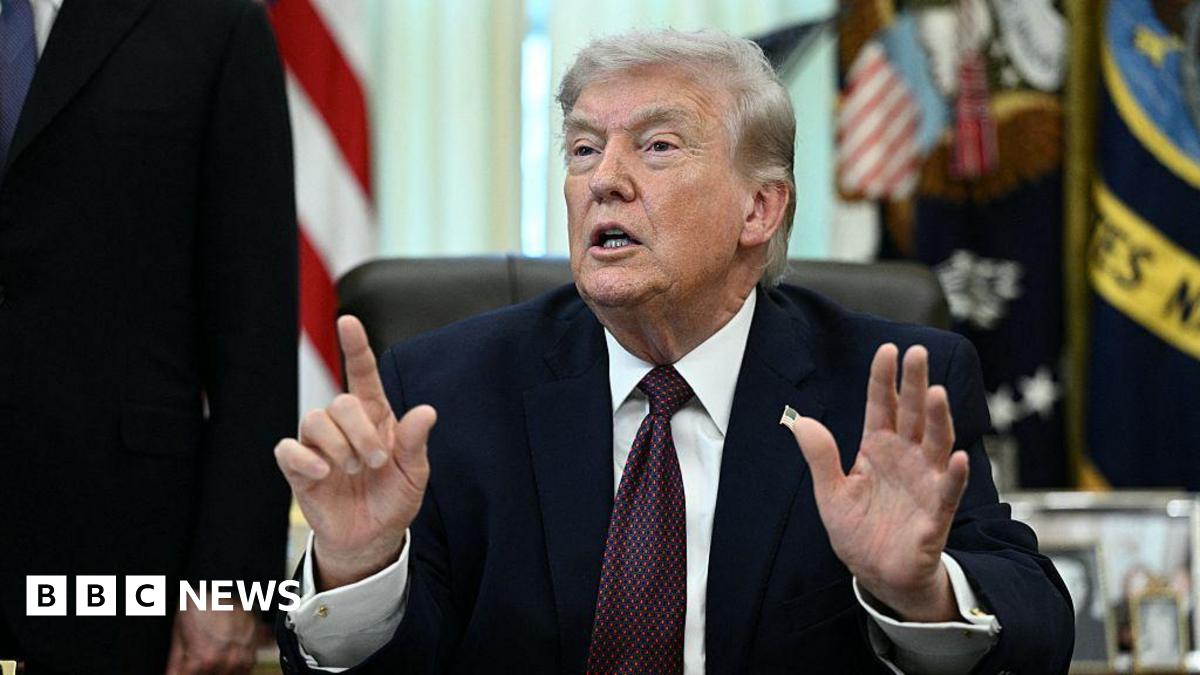
White House budget director: ‘We’re working’ on funding request for Iran military operations
Discover more

US Politics
Democrats Aim to Curb Trump's Iran War Powers
US Democrats introduce measures to curb Trump's war powers on Iran, demanding congressional approval for military action in a critical test of oversight.
Global Politics
Trump's Bold Move
Trump announced a U.S. exit from Iran with or without a deal, a bold move that heightens tensions across the Middle East and risks serious diplomatic fallout.

US Politics
GOP House Blocks Limits on Trump's Iran War
House Republicans narrowly defeated a resolution to limit Trump's war powers over Iran, intensifying the fight in Congress over presidential military authority.

Economics
Fed's Amex AML order puts correspondent banking on notice
Federal Reserve's Amex AML order requires board-level controls and a 90-day plan; OCC fined the bank $350 million over enterprise-wide deficiencies.